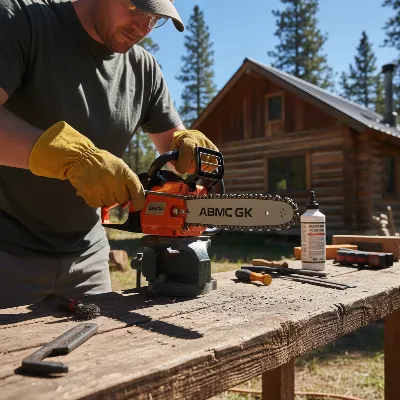
For anyone who regularly uses a chainsaw, whether for yard work, property maintenance, or professional logging, managing chain tension is a constant concern. An improperly tensioned chain can not only lead to poor cutting performance and accelerated wear but also poses a significant safety risk. If you have ever experienced the frustration of a loose chain derailing or the reduced efficiency of one that is too tight, you know the importance of a properly adjusted saw. Fortunately, modern advancements have introduced chainsaws with automatic or tool-free chain tensioning systems, revolutionizing the user experience by offering enhanced safety, convenience, and durability. This guide delves into the world of auto-tensioning chainsaws, exploring their benefits, key features, and highlighting the top models available in 2026 to help you make an informed decision for your cutting needs.
Overview of Chainsaws
Chainsaws are powerful portable mechanical saws designed to cut through wood with a set of teeth attached to a rotating chain that runs along a guide bar. From humble beginnings, these robust tools have evolved dramatically, transforming arduous manual labor into efficient, manageable tasks for both professionals and homeowners. Historically, chainsaws were large, cumbersome machines requiring two operators, primarily used in commercial logging. Over time, innovations in engine design, material science, and safety features have led to the compact, versatile models we see today.
The market now offers several types of chainsaws, each suited for different applications and user preferences. Gas-powered chainsaws remain the choice for heavy-duty tasks and remote work, offering maximum power and runtime. Electric chainsaws, both corded and battery-powered, have gained immense popularity for their quieter operation, lower maintenance, and ease of use, especially for lighter to medium-duty jobs around residential properties. These diverse options ensure there is a chainsaw to meet virtually every cutting challenge.
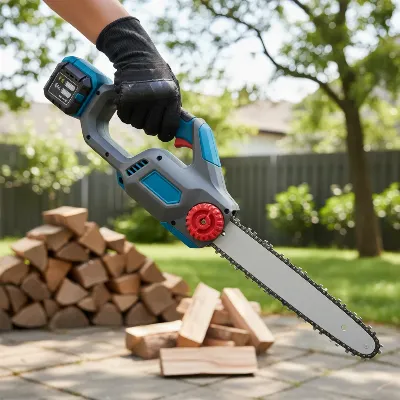 A modern, ergonomically designed chainsaw with an visible auto-tensioning system and a focus on safety features
Factors to Consider When Buying a Chainsaw
Choosing the right chainsaw involves more than just picking the first model you see. Several critical factors come into play, influencing performance, safety, and overall user satisfaction. Understanding these elements will empower you to select a chainsaw that aligns perfectly with your specific tasks and comfort level.
Chainsaw Type
The power source is a fundamental distinction among chainsaws, each presenting unique advantages and disadvantages.
- Gas Chainsaws: These are the traditional workhorses, known for their superior power and unrestricted mobility. Ideal for felling larger trees, cutting firewood, and extensive land clearing, gas chainsaws offer significant torque and longer runtimes. However, they are generally heavier, produce more noise and emissions, and require regular fuel and engine maintenance. Their robust performance makes them indispensable for professional forestry and heavy-duty home use where power outlets are unavailable.
- Electric Chainsaws: Corded electric models provide consistent power without the need for fuel or battery charging, making them excellent for tasks within reach of an electrical outlet. They are lighter, quieter, and require less maintenance than gas saws, often featuring tool-free chain tensioning and automatic oiling for ease of use. While their range is limited by the power cord, they excel at pruning, limbing, and cutting small to medium-sized logs around the home or workshop. The Oregon CS1500 and Makita UC4051A are notable corded electric models that include tool-free chain tensioning.
- Battery Chainsaws: Offering the ultimate in portability and convenience, battery-powered chainsaws eliminate cords and the fuss of gas engines. They are quiet, emission-free, and start instantly, making them perfect for light to medium tasks like trimming branches, clearing brush, and cutting small logs. Battery technology has advanced significantly, with many models now delivering power comparable to smaller gas saws, often with tool-free tensioning for quick adjustments. Brands like DeWalt, Ego Power+, and Greenworks offer powerful battery-operated options with auto-tensioning systems. Their main limitation remains battery life, which can impact extended work sessions.
|
Our Picks for the Best Chain Saw in 2026
As an Amazon Associate I earn from qualifying purchases.
|
||
| Num | Product | Action |
|---|---|---|
| 1 | Stihl GTA 26 Wood Cutter with AS 2 Battery and Charger AL 1, Battery Operated |

|
| 2 | Gas Chainsaw 62CC 20 Inch Professional Powerful 2-Stroke Engine for Tree Cutting, Logging and Firewood with Chain Brake |
|
| 3 | Makita-UC4051A Chain Saw, Electric, 16 in. Bar - Sliver |
|
| 4 | STIHL Battery Operated Chainsaw with Sound Kids Toy |
|
| 5 | Oregon 3-Pack Chainsaw Chain 3/8" LP Pitch, .050" (1.3 mm) Gauge for 18" (45cm) Bar, 62 Drive Links – Low-kickback Replacement Saw Chain, Fits Husqvarna, Echo, Poulan, Homelite, Craftsman and more |
|
| 6 | Greenworks 24V 10" Cordless Compact Chainsaw (Great For Storm Clean-Up, Pruning, and Firewood), 2.0Ah Battery and Charger Included |
|
| 7 | Makita XCU03PT1 18V X2 (36V) LXT Lithium-Ion Brushless Cordless 14" Chain Saw Kit with, 4 Batteries (5.0Ah) |
|
| 8 | Husqvarna 450 Rancher 20 Inch Gas Chainsaw, 50.2-cc 3.2-HP, 2-Cycle X-Torq Engine, For Tree Pruning, Yard Cleanups and Firewood Cutting, 970613120 |
|
| 9 | Greenworks 80V 16" Brushless Cordless Chainsaw (Great For Tree Felling, Limbing, Pruning, and Firewood / 75+ Compatible Tools), Tool Only |
|
| 10 | Greenworks 24V 12" Brushless Cordless Compact Chainsaw (Great For Storm Clean-Up, Pruning, and Firewood / 125+ Compatible Tools), Tool Only |
|
Size and Weight
The physical dimensions and weight of a chainsaw directly affect its maneuverability, comfort, and the types of jobs it can handle. A larger, heavier saw with a long guide bar (e.g., 18-20 inches) is suitable for cutting thick logs and felling trees, where its heft provides stability and leverage. However, such saws can be fatiguing for prolonged use or tasks requiring overhead cutting.
Conversely, smaller, lighter chainsaws (e.g., 10-14 inches) are easier to handle, making them ideal for limbing, pruning, and light cutting tasks where precision and reduced fatigue are priorities. The WORX WG304.1, for example, combines a 15-amp motor with a relatively lightweight design for portability and ease of use. It’s crucial to match the chainsaw’s size and weight to your physical capability and the typical projects you undertake.
Power
A chainsaw’s power determines its cutting speed and ability to tackle different wood types and sizes. For gas models, power is often measured in cubic centimeters (cc) for engine displacement or horsepower (hp). Electric and battery chainsaws measure power in amps (A) or volts (V), respectively. Higher numbers generally indicate more cutting force.
For light pruning and small branches, a 10-12 amp electric or 20-30V battery saw might suffice. Medium-duty work like cutting firewood or felling small trees typically requires 14-15 amp electric, 40-60V battery, or 30-40cc gas chainsaws. Heavy-duty tasks, such as large tree felling or professional use, demand 60V+ battery or 50cc+ gas saws. Adequate power ensures efficient cuts and prevents the saw from bogging down, preserving the life of the motor and chain.
Safety Features
Safety is paramount when operating a chainsaw. Modern chainsaws incorporate several features to protect the user:
- Chain Brake: This critical safety mechanism stops the chain instantly, either manually by pushing a handguard forward or automatically via inertia during a kickback event. This dramatically reduces the risk of injury.
- Hand Guard: Positioned to protect the operator’s hand from the chain if it derails or breaks, and often integrated with the chain brake.
- Throttle Lockout: Prevents accidental acceleration of the chain, requiring the operator to intentionally engage both the throttle and a lockout switch simultaneously.
- Chain Catcher: A small projection designed to catch a broken or derailed chain, diverting it away from the operator.
- Anti-Vibration Systems: These systems absorb engine vibrations, reducing operator fatigue and the risk of developing conditions like Hand-Arm Vibration Syndrome (HAVS) during extended use.
- Low Kickback Bar and Chain: Designed to minimize the upward and backward thrust (kickback) that can occur when the saw chain at the tip of the guide bar strikes an object.
The inclusion of an automatic chain tensioning system also enhances safety by ensuring the chain remains at optimal tension, preventing dangerous derailments that can occur with loose chains.
Brand and Price
The chainsaw market is populated by numerous reputable brands, each with its own strengths. Brands like Husqvarna, Stihl, DeWalt, Ego Power+, Greenworks, WORX, and Oregon are recognized for their quality, innovation, and reliability. Investing in a well-regarded brand often means better build quality, reliable performance, and access to customer support and spare parts.
Chainsaw prices vary widely based on type, power, features, and brand reputation. Entry-level electric and battery saws for light use can range from $100-$300, while powerful gas or high-end battery models for professional use can cost $400-$1000+. Consider your budget in conjunction with your long-term needs and the chainsaw’s expected lifespan. Sometimes, a slightly higher initial investment in a quality tool with advanced features like auto-tensioning can save money on maintenance and replacement in the long run.
So How Does Auto-Tensioning Work?
Automatic chain tensioning systems are a significant convenience and safety advancement in modern chainsaws. At its core, correct chain tension ensures the chain runs smoothly within the guide bar groove without being too loose (which can cause derailment) or too tight (which creates excessive friction, heat, and wear). Auto-tensioning mechanisms simplify this crucial maintenance task.
In many popular models, “auto-tensioning” or “tool-free chain tensioning” refers to a system that allows users to adjust the chain tension without needing external tools. Often, this involves a dial or knob on the side of the saw that, when turned, moves the guide bar to tighten or loosen the chain. The WORX WG304.1, for instance, features a patented tool-free chain replacement and auto-tensioning system designed to keep the chain tight and secure. This design prevents over-tightening, extending the lifespan of both the bar and chain.
More advanced, truly “automatic” tensioning systems might actively maintain optimal tension during operation, although these are less common in consumer-grade chainsaws. Some industrial applications utilize hydraulic systems that force a pusher block against the chain bar to maintain tension. Regardless of the exact mechanism, the primary benefit is consistent chain tension without constant manual intervention, which in turn leads to improved safety and efficiency.
> “Automatic chain tensioning takes the guesswork out of maintenance. It’s a game-changer for safety and efficiency, ensuring your chain always runs optimally.” – Admin, ReviewsThis.com
Comparison of Popular Chainsaw Models with Auto-Tensioning
Here’s a comparison of some popular chainsaw models featuring automatic or tool-free chain tensioning systems, highlighting their key specifications and applications.
| Model | Type | Power (Amps/Volts/cc) | Bar Length | Weight (lbs) | Key Features (Auto-Tensioning) | Best For | Price Range ($) |
|---|---|---|---|---|---|---|---|
| WORX WG304.1 | Electric | 15 Amps | 18 inches | ~11.5 | Patented auto-tension, tool-free chain replace | Homeowner, medium-duty cutting | 100-150 |
| BLACK+DECKER CS1518 | Electric | 15 Amps | 18 inches | ~10.4 | Tool-free chain tensioning, auto-oiling | Homeowner, general yard work | 90-130 |
| Sun Joe iON100V-18CS-CT | Battery | 100 Volts | 18 inches | ~12 | Tool-free chain tensioning, auto-oiling | Medium to heavy-duty battery tasks | 250-350 |
| DeWalt FlexVolt DCCS670T1 | Battery | 60 Volts | 16 inches | ~12.2 | Tool-less tensioning, gas-like performance | Professional, heavy-duty cordless cutting | 350-500 |
| Ego Power+ CS1800 | Battery | 56 Volts | 18 inches | ~10.6 | Easy-to-use chain tensioning system | Homeowner, versatile yard work | 250-350 |
| Greenworks 40V 16″ | Battery | 40 Volts | 16 inches | ~10 | Tool-free tensioner, auto-oiler | Light to medium-duty, family-friendly | 150-250 |
| Oregon CS1500 | Electric | 15 Amps | 18 inches | ~12.5 | Tool-free chain tensioning, self-sharpening | Homeowner/Pro, unlimited runtime, heavy use | 150-250 |
| Husqvarna Power Axe 350i | Battery | 40 Volts | 18 inches | ~13.9 | Fast, tool-less chain tensioner | Versatile, strong performance for battery | 350-450 |
Note: Prices are approximate and can vary by retailer and promotions.
WORX WG304.1 / WG304.2: These corded electric models are celebrated for their affordability and user-friendly design. The patented auto-tensioning system ensures the chain remains optimally tight, a significant advantage for new users and those prioritizing convenience. They are reliable for general yard maintenance, tree limbing, and cutting firewood.
BLACK+DECKER CS1518: Another strong contender in the electric category, the CS1518 offers robust performance for heavy-duty tasks with its 15-amp motor and 18-inch bar. Its tool-free chain tensioning system, combined with automatic oiling and a chain brake, enhances both ease of use and safety.
DeWalt FlexVolt DCCS670T1: This battery-powered beast delivers performance akin to a small gas saw, making it a favorite among professionals and serious homeowners. Its tool-less tensioning system complements its powerful 60V motor, allowing for quick adjustments even during demanding tasks.
Ego Power+ CS1800 / CS1611 / CS2005: Ego Power+ chainsaws are consistently praised for their battery power and convenient features. The CS1800, for example, boasts an easy-to-use chain tensioning system that makes adjustments simple. These models are ideal for homeowners seeking strong, reliable cordless performance without the noise and fumes of gas.
Oregon CS1500: A corded electric option, the CS1500 stands out with its tool-free chain tensioning and an innovative PowerSharp self-sharpening system. This combination makes it exceptionally user-friendly, providing unlimited runtime for sustained cutting projects and minimizing downtime.
Chainsaw Buying Guide
Navigating the array of chainsaw options can be daunting. This buying guide simplifies the process, helping you pinpoint the best auto-tensioning chainsaw for your specific needs.
Determine Usage Needs
Before anything else, consider what tasks you’ll be performing and how frequently.
- Light-duty (occasional pruning, small limb removal): A compact, lightweight battery-powered or corded electric saw with a 10-14 inch bar and tool-free tensioning is likely sufficient.
- Medium-duty (firewood, small tree felling, storm cleanup): Look for more powerful battery (40-60V) or electric (15-amp) models with 16-18 inch bars, also benefiting greatly from auto-tensioning.
- Heavy-duty (large tree felling, extensive property maintenance, professional use): While gas chainsaws often dominate this category, high-voltage battery models with auto-tensioning (like the DeWalt FlexVolt) are becoming viable alternatives, offering power without the fuss of fuel.
Budget
Your budget will narrow down your options, but remember that investing in a quality chainsaw, especially one with convenience features like auto-tensioning, can be more economical in the long run. Entry-level auto-tensioning electric saws start around $100-$150, while top-tier battery-powered models can exceed $400-$500. Balance the initial cost with potential maintenance savings and the tool’s expected lifespan.
Research Information
Once you have a clearer idea of your needs and budget, dive into research.
- Read reviews: Look for honest reviews from other users and experts, paying attention to comments on the auto-tensioning system’s effectiveness, ease of use, and durability.
- Compare specifications: Cross-reference power, bar length, weight, and safety features across different models.
- Watch videos: Seeing chainsaws in action can provide valuable insights into their handling and performance.
Purchase from Reputable Sources
Always buy your chainsaw from trusted retailers or authorized dealers. This ensures you receive a genuine product, proper warranty coverage, and access to customer service and replacement parts. Check return and exchange policies, and consider local dealers for servicing, especially for gas models.
Chainsaw Usage and Maintenance Tips
Even with the convenience of auto-tensioning, proper usage and routine maintenance are crucial for safety, performance, and extending your chainsaw’s lifespan.
Safe Usage
- Always wear Personal Protective Equipment (PPE): This includes a helmet with a face shield, hearing protection, safety glasses, gloves, chainsaw chaps or trousers, and sturdy boots.
- Read the manual: Familiarize yourself with your specific chainsaw’s controls, safety features, and operating procedures.
- Inspect before use: Check the chain for sharpness, proper tension (even with auto-tensioning, a quick visual check is good), and ensure all safety features, especially the chain brake, are functioning correctly.
- Maintain a secure stance: Always keep both hands on the saw and maintain good balance.
- Be aware of kickback zones: Avoid cutting with the tip of the guide bar, as this is the primary area for kickback.
- Clear your work area: Remove obstacles, rocks, or debris that could cause kickback or entanglement.
- Never operate alone: Have someone nearby who can assist in case of an emergency.
Maintenance
- Check chain tension regularly: While auto-tensioning systems reduce manual adjustments, it’s still good practice to confirm the chain isn’t loose or too tight, especially after initial use or during extended periods of cutting. A properly tensioned chain should be snug against the guide bar but still allow you to pull it slightly away (around 1/8 inch).
- Keep the chain sharp: A sharp chain cuts efficiently and safely. A dull chain forces the saw to work harder, increasing wear and the risk of kickback.
- Lubricate the chain: Ensure the automatic oiler (if equipped) is working and the oil reservoir is full of appropriate bar and chain oil. Proper lubrication reduces friction and heat, prolonging chain and bar life.
- Clean the chainsaw: Regularly remove sawdust, sap, and debris from the guide bar groove, sprocket, cooling fins, and air filter (for gas saws). This prevents overheating and maintains optimal performance.
- Inspect the guide bar: Turn the guide bar over regularly to ensure even wear. Clean out the bar groove and check for burrs or damage.
- Store properly: Store your chainsaw in a clean, dry place, ideally with the chain brake disengaged and the bar covered with its scabbard. For gas saws, properly winterize them if storing for long periods.
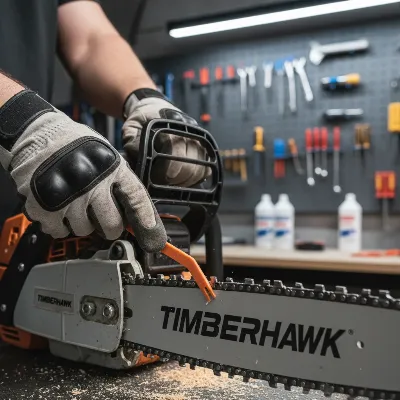 A person performing routine maintenance on a chainsaw, checking chain tension and cleaning the guide bar, wearing protective gloves
Most Popular Chainsaw Products with Auto-Tensioning in 2026
The market in 2026 continues to see strong contenders in the auto-tensioning chainsaw segment, catering to various user needs.
The DeWalt FlexVolt DCCS670T1 remains a top choice for those needing gas-like power in a battery-operated saw. Its 60V system and 16-inch bar effortlessly tackle larger cutting tasks, making it a professional-grade tool for heavy-duty cordless work. The tool-less tensioning is a standout feature, streamlining adjustments on the job.
For homeowners, the Ego Power+ CS1800 (and its siblings like the CS1611 and CS2005) continues to be highly favored. With a 56V battery system and an 18-inch bar, it provides ample power for most yard tasks, from limbing to cutting firewood. Its reputation for easy-to-use chain tensioning and robust performance makes it a consistent best-seller.
In the corded electric category, the Oregon CS1500 is highly recommended. It combines a powerful 15-amp motor with an 18-inch guide bar, making it suitable for extensive cutting where a power outlet is available. Its tool-free chain tensioning system and unique self-sharpening feature offer unparalleled convenience and efficiency.
The WORX WG304.1 is another consistently popular electric model, especially for budget-conscious buyers who don’t want to compromise on features. Its 15-amp motor and patented auto-tensioning system ensure reliable performance for everyday yard work, proving that convenience and affordability can go hand-in-hand.
Finally, the Husqvarna Power Axe 350i impresses with its battery-powered performance, rivaling many corded models. Featuring a fast, tool-less chain tensioner and an 18-inch bar, this model is a strong contender for those seeking high performance and the convenience of cordless operation from a renowned brand.
Each of these models offers a combination of power, durability, and user-friendly features, with their auto-tensioning systems providing a significant advantage in terms of ease of maintenance and improved safety.
Conclusion
Choosing a chainsaw with an auto-tensioning system is a smart decision for anyone seeking to combine powerful cutting performance with enhanced safety and convenience. These innovative features simplify chain maintenance, reduce downtime, and significantly mitigate the risks associated with improper chain tension, ensuring a smoother and more efficient cutting experience. From robust battery-powered models like the DeWalt FlexVolt DCCS670T1 and Ego Power+ CS1800 to reliable corded electric options like the Oregon CS1500 and WORX WG304.1, there’s an auto-tensioning chainsaw perfectly suited for every task and budget. Prioritizing features such as power, bar length, and critical safety mechanisms alongside the convenience of automatic tensioning will lead you to a tool that not only gets the job done but also elevates your confidence and productivity.
What kind of cutting projects do you envision tackling with your next chainsaw?
Frequently Asked Questions
What is the primary benefit of an auto-tensioning chainsaw?
The primary benefit of an auto-tensioning chainsaw is the significant improvement in user convenience and safety. It ensures the chain maintains optimal tension automatically or with minimal effort, preventing dangerous derailments and extending the life of the bar and chain without requiring tools or constant manual adjustments.
Are auto-tensioning chainsaws as powerful as traditional models?
Yes, auto-tensioning systems are a feature, not a power determinant. Many powerful gas, electric, and battery chainsaws incorporate auto-tensioning, delivering cutting performance comparable to traditional models while adding convenience. The power output depends on the motor or engine, not the tensioning mechanism itself.
Can I replace the chain on an auto-tensioning chainsaw myself?
Most auto-tensioning chainsaws are designed for tool-free chain replacement, making the process very straightforward for users. Always consult your chainsaw’s manual for specific instructions, but generally, it involves releasing the tension and easily removing/installing the chain without extra tools.
Do auto-tensioning chainsaws still require any manual chain checks?
While auto-tensioning systems greatly reduce the need for manual adjustment, it is always recommended to perform a quick visual check of the chain tension before and during use. This ensures the system is functioning correctly and helps catch any unusual slack or tightness, ensuring maximum safety and performance.
Are auto-tensioning chainsaws more expensive?
Chainsaws with auto-tensioning or tool-free tensioning systems are available across various price points. While some advanced models might be pricier due to a combination of features, the convenience and safety benefits often justify the cost, and many affordable options now include this feature.