For those passionate about transforming raw timber into usable lumber, the right chainsaw isn’t just a tool; it’s the heart of the milling operation. As someone with over a decade of hands-on experience with chainsaws, from homeowner models to professional forestry giants, I understand the nuances that make a saw excel when paired with a mill. Milling lumber places unique, sustained demands on a chainsaw, requiring robust power, consistent performance, and specialized features to ensure both efficiency and, critically, safety. This comprehensive guide will arm you with the knowledge to select the perfect chainsaw, transforming fallen trees into valuable boards with confidence.
An Overview of Chainsaws for Milling Lumber
Chainsaw milling is the process of converting logs into planks, slabs, or beams using a chainsaw equipped with a specialized mill attachment. Unlike traditional cross-cutting or felling, milling involves making long, rip cuts along the length of a log, often under continuous load. This technique allows enthusiasts and professionals alike to process timber on-site, making it an invaluable method for utilizing storm-felled trees, clearing land, or creating custom lumber for woodworking projects.
The chainsaw itself has a rich history, evolving from early medical instruments to the powerful, portable machines we use today. This evolution has brought significant advancements in engine technology, safety mechanisms, and ergonomic design, making modern chainsaws more capable and safer than ever before.
When considering chainsaws for milling, three primary types emerge:
- Gas-powered chainsaws: These are the workhorses of chainsaw milling, offering the raw power and sustained torque necessary for ripping through large, dense logs for extended periods. Their robust engines, typically 60cc and above, make them the preferred choice for serious milling.
- Electric chainsaws: While less common for heavy-duty milling due to power limitations, electric models offer a quieter, emission-free alternative for smaller logs and lighter milling tasks. They eliminate the need for fuel mixing and reduce maintenance.
- Battery-powered chainsaws: These cordless options are excellent for light-duty tasks, offering portability without the need for an electrical outlet. However, their battery life and power output are generally insufficient for the continuous, high-demand nature of milling large timber.
For the purpose of efficient and safe lumber milling, gas-powered chainsaws with significant engine displacement remain the gold standard.
Essential Factors When Choosing a Chainsaw for Milling
Selecting a chainsaw specifically for milling requires a different set of criteria than choosing one for general felling or limbing. The sustained, high-load nature of milling demands particular attention to several key factors.
Engine Displacement and Power
The engine’s cubic centimeter (cc) displacement is perhaps the most critical factor for milling. A larger engine translates directly to more torque and horsepower, which is essential for driving a long bar and chain through dense wood without bogging down.
- For small logs (up to 20 inches diameter) or softwoods, a chainsaw in the 60cc range can suffice.
- Medium logs (20-30 inches) or mixed hardwoods generally require saws between 70cc and 90cc.
- For large logs (over 30 inches) or consistent milling of challenging hardwoods, look for professional-grade chainsaws with 90cc or more. A higher displacement ensures smoother, faster cuts and reduces strain on the engine over prolonged use.
Bar Length and Compatibility
The guide bar length dictates the maximum width of the lumber you can mill. For optimal performance, your chainsaw bar should be slightly longer than the maximum diameter of the logs you intend to process. Most chainsaw mills accommodate a wide range of bar sizes, commonly from 20 inches up to 48 inches or even longer for specialty applications. Longer bars, however, demand more power from the engine to effectively drive the chain, so matching bar length to engine displacement is crucial. An underpowered saw with too long a bar will struggle and potentially overheat.
Weight, Balance, and Ergonomics
Milling can be a physically demanding task, often requiring the operator to work in awkward positions for extended periods. The chainsaw’s weight and balance significantly impact operator fatigue and control. While powerful chainsaws tend to be heavier, a well-balanced design with effective anti-vibration systems can make a substantial difference in comfort and maneuverability. Ergonomic handles and controls also contribute to safer and more efficient operation.
Durability and Oiling System
Chainsaw milling puts immense stress on the saw’s components. A durable build, including a robust crankcase and professional-grade components, is essential for longevity. Equally important is an efficient and often adjustable oiling system. Milling generates considerable heat, and insufficient chain and bar lubrication can lead to rapid wear, overheating, and potential failure. Some dedicated millers even opt for auxiliary oilers to ensure consistent lubrication with longer bars.
Safety Features
Safety is paramount when operating any chainsaw, especially during milling where kickback risks and prolonged exposure to noise, fumes, and debris are heightened. Modern chainsaws incorporate several safety features designed to protect the operator:
- Chain Brake: Rapidly stops the chain in the event of kickback.
- Chain Catcher: Helps prevent a broken or derailed chain from striking the operator.
- Safety Throttle: Prevents accidental acceleration.
- Anti-Vibration System: Reduces hand and arm fatigue, improving control.
- Rear Hand Guard: Protects the operator’s hand in case of chain derailment.
Beyond the saw’s built-in features, always wear appropriate Personal Protective Equipment (PPE), including a hard hat with a chin strap, hearing protection, safety glasses or a full face shield, heavy-duty gloves, and chainsaw chaps. A respirator is also highly recommended to protect against sawdust and exhaust fumes.
Top 5 Best Chainsaws for Milling Lumber in 2026
Choosing the right chainsaw is foundational to successful lumber milling. Based on their power, durability, and features suited for sustained rip cuts, here are five of the best chainsaws for milling lumber safely in 2026.
1. Stihl MS 661 C-M Magnum
The Stihl MS 661 C-M Magnum is a powerhouse, widely regarded as a top-tier professional chainsaw for heavy-duty applications, including milling. Its high engine displacement delivers exceptional torque, making it capable of driving long bars through the toughest hardwoods with relative ease. The M-Tronic™ engine management system ensures optimal performance in varying conditions, while its robust construction promises durability for rigorous use.
- Engine Displacement: 91.1 cc
- Bar Length Capacity: Up to 36 inches (can be adapted for longer)
- Key Features for Milling: High power-to-weight ratio, M-Tronic™ electronic engine management, heavy-duty air filtration, adjustable oil pump.
- Pros: Outstanding power for large logs, excellent durability, advanced engine technology for consistent performance.
- Cons: Premium price, heavier, might be overkill for smaller milling projects.
2. Husqvarna 460 Rancher
The Husqvarna 460 Rancher strikes an excellent balance between power, features, and value, making it a popular choice for hobbyists and experienced millers alike. Its robust engine and X-Torq® technology provide strong torque while improving fuel efficiency and reducing emissions. It’s a versatile saw capable of handling a significant range of milling tasks.
- Engine Displacement: 60.3 cc
- Bar Length Capacity: Up to 24 inches (can be adapted)
- Key Features for Milling: X-Torq® engine, air injection for extended filter life, ergonomic design with anti-vibration system, side-mounted chain tensioner.
- Pros: Good power for its class, reliable performance, reasonable price, comfortable for extended use.
- Cons: May struggle with the largest, densest logs compared to professional-grade saws.
3. Echo CS-590 Timber Wolf
Often cited as the best overall value for milling, the Echo CS-590 Timber Wolf delivers surprising power and professional-grade features at a more accessible price point. Its 59.8cc engine is a consistent performer, capable of handling substantial milling operations effectively. It’s a workhorse known for its reliability and easy starting.
- Engine Displacement: 59.8 cc
- Bar Length Capacity: Up to 24 inches (can be adapted)
- Key Features for Milling: Professional-grade 2-stroke engine, easy-start decompression valve, G-Force Engine Air Pre-Cleaner™, automatic adjustable oiler.
- Pros: Excellent power-to-weight ratio for the price, highly reliable, easy to start, good for sustained use.
- Cons: Not as powerful as top-tier professional saws for extremely large logs.
4. Husqvarna 455 Rancher
For those seeking a solid entry-level or mid-range option, the Husqvarna 455 Rancher offers dependable performance for milling smaller to medium-sized logs. With its 55cc engine, it provides reliable power for processing various wood types, and its ergonomic features ensure comfort during operation. It’s a durable choice for those stepping into milling.
- Engine Displacement: 55.5 cc
- Bar Length Capacity: Up to 20 inches (can be adapted)
- Key Features for Milling: X-Torq® engine, LowVib® anti-vibration system, air injection, easy chain tensioning.
- Pros: Reliable for smaller logs, good balance of features and cost, decent power for hobby use.
- Cons: Limited power for larger diameter or very dense hardwoods, shorter bar capacity.
5. NEO-TEC NS892
The NEO-TEC NS892 is a heavy-duty option for those needing serious power without the top-tier brand price tag. While less universally known than Stihl or Husqvarna, this saw brings a massive engine displacement to the table, making it a contender for tackling very large logs. Its full-wrap handle provides enhanced control during long, challenging cuts.
- Engine Displacement: 92 cc
- Bar Length Capacity: Up to 42 inches (often included)
- Key Features for Milling: High displacement engine for maximum torque, robust build, full-wrap handle for control.
- Pros: Exceptional power for large logs, often comes with a longer bar, competitive pricing for its power class.
- Cons: Potentially heavier, brand recognition and service network might be less extensive than market leaders.
Chainsaw Milling Comparison Table
| Model | Engine (cc) | Max Recommended Bar Length (inches) | Key Milling Feature | Best For |
|---|---|---|---|---|
| Stihl MS 661 C-M Magnum | 91.1 | 36+ | M-Tronic™ engine management, extreme power | Professional, very large/dense logs |
| Husqvarna 460 Rancher | 60.3 | 24 | X-Torq® engine, great power/value | Mid-range, various log sizes |
| Echo CS-590 Timber Wolf | 59.8 | 24 | G-Force Air Pre-Cleaner™, reliability | Value-oriented, consistent performance |
| Husqvarna 455 Rancher | 55.5 | 20 | LowVib® system, reliable starting | Hobbyist, small to medium logs |
| NEO-TEC NS892 | 92 | 42+ | Massive power for heavy cutting | Budget-conscious heavy-duty milling |
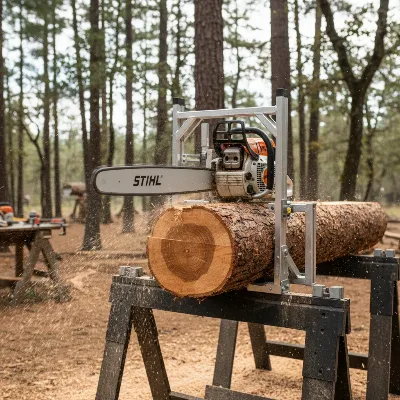 A powerful gas chainsaw attached to an Alaskan mill cutting a large log into slabs with sawdust flying
Your Chainsaw Milling Buying Guide
Navigating the options for a milling chainsaw can be daunting. A structured approach helps ensure you make the best decision for your needs.
Assess Your Milling Needs
Before looking at specific models, clearly define the scope of your milling projects. What type of wood will you be cutting (softwood, hardwood)? What are the typical diameters of the logs you’ll be processing? How frequently do you plan to mill? Occasional milling of small, soft logs will require a different saw than daily processing of large, dense hardwoods. Understanding your needs will guide your choices in engine size and bar length.
Set Your Budget
Chainsaws for milling range significantly in price. While it might be tempting to opt for the cheapest option, remember that milling is a high-demand application. Investing in a more powerful, durable saw will likely save you money and frustration in the long run through improved efficiency and longevity. Balance the upfront cost with the anticipated performance and lifespan of the tool. Consider the long-term value, including fuel efficiency and maintenance costs.
Research and Reviews
Once you have a clearer picture of your needs and budget, dive into product research. Read detailed reviews, watch video demonstrations, and actively seek feedback from other chainsaw millers. Online forums and dedicated woodworking communities are excellent resources for real-world experiences and practical advice. Pay attention to comments regarding a saw’s performance under continuous load, oil consumption, and ease of maintenance specifically for milling.
Purchase from Reputable Dealers
Always buy your chainsaw from an authorized and reputable dealer. This ensures you receive a genuine product, access to valid warranties, and reliable after-sales service. A good dealer can also offer expert advice on matching your saw to the right mill attachment, recommend appropriate chain types (like rip chains for milling), and provide essential safety guidance.
Mastering Chainsaw Milling: Tips for Safe and Efficient Operation
Effective chainsaw milling goes beyond just having the right equipment; it also demands proper technique, consistent maintenance, and an unwavering commitment to safety.
Safe Usage is Non-Negotiable
Prioritize safety above all else. Always wear your complete set of PPE—hard hat, hearing protection, eye and face protection, gloves, and chainsaw chaps. Never mill alone; have a helper present who is also aware of the dangers and can assist with tasks like inserting wedges or providing extra lubrication. Before starting, clear your work area of obstacles, secure your log to prevent rolling, and establish a clear escape path. Plan each cut, considering potential kickback points and pinch hazards. Be mindful of fumes and airborne sawdust, using a respirator to protect your lungs.
Consistent Maintenance for Longevity
Regular and thorough maintenance will significantly extend the life and efficiency of your milling chainsaw.
- Sharpening: Use a sharp, properly filed chain specifically designed for rip cutting. A dull chain increases fuel consumption, slows cuts, and puts excessive strain on the engine.
- Oiling: Ensure your saw’s oil reservoir is always full with quality bar and chain oil. Check the oiler’s function regularly and adjust as needed for longer bars.
- Air Filter: Clean your air filter frequently, especially when milling, as sawdust production is very high. A clogged air filter chokes the engine and reduces power.
- Spark Plug: Inspect and clean or replace the spark plug as recommended by the manufacturer for optimal ignition.
- General Cleaning: Keep the saw clean of sawdust and debris, paying attention to cooling fins and exhaust ports to prevent overheating.
Common Issues and How to Overcome Them
Even with the best equipment, challenges can arise.
- Overheating: This is often due to insufficient lubrication, a dull chain, or an overburdened engine. Ensure proper oiling, use a sharp rip chain, and avoid forcing the cut. If your saw struggles, consider taking shallower passes or a more powerful saw.
- Pinching: As you cut, the log can settle and pinch the bar. Keep the kerf (the cut opening) clear by inserting plastic or wooden wedges behind the bar every few feet. A helper can be invaluable for this.
- Kickback: While milling generally reduces the risk compared to other chainsaw tasks (due to the bar being buried), it’s still a risk. Always maintain a firm grip, stand to the side of the cutting plane, and avoid contact with the bar tip. Proper training is the best defense against kickback.
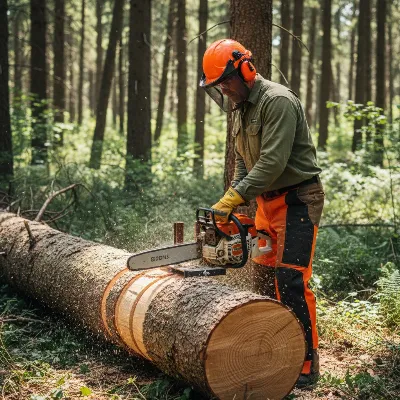 A person wearing full safety gear operating a chainsaw mill in a forest setting with a large log
Conclusion
Choosing the ideal chainsaw for milling lumber in 2026 involves a careful evaluation of power, bar compatibility, durability, and, most importantly, safety features. From the professional-grade might of the Stihl MS 661 C-M Magnum to the excellent value of the Echo CS-590 Timber Wolf, each saw offers unique strengths to help you transform logs into valuable timber. By understanding your specific milling needs, investing in a robust and reliable machine, and strictly adhering to safety protocols and maintenance routines, you can tackle any milling project with confidence and achieve high-quality results.
What exciting woodworking projects are you planning with your newly milled lumber?
Frequently Asked Questions
What is a “rip chain” and why is it important for chainsaw milling?
A rip chain has cutting teeth specifically sharpened at a shallower angle (typically 10 degrees) compared to standard cross-cut chains (which are around 25-30 degrees). This angle allows the chain to cut efficiently along the grain of the wood, which is what chainsaw milling entails. Using a rip chain significantly improves cutting speed, reduces power demand on the engine, and results in a smoother finish when milling lumber.
Can I use an electric chainsaw for milling lumber?
While technically possible for very small and soft logs, electric chainsaws are generally not recommended for serious lumber milling. They lack the sustained power and torque of gas-powered saws to efficiently drive long bars through dense wood for extended periods. This can lead to overheating, bogging down, and very slow cutting speeds, making them impractical for most milling projects.

The guide’s emphasis on robust power and consistent performance for milling really hit home. I recently upgraded to a Dolmar PS-7910, and the difference is night and day. It just chews through timber, and I’ve noticed a significant improvement in the smoothness of my cuts. This saw truly transforms fallen trees into valuable boards with confidence, just like it said.
I’ve been milling my own lumber for years, and the Stihl MS 881 mentioned here is an absolute beast. It handles those big, long cuts through oak and maple like a champ, never bogging down. The consistent power it delivers is exactly what you need for efficient milling, making quick work of turning logs into usable boards. Definitely worth the investment if you’re serious about milling.
I picked up one of the Husqvarna models after reading about its durability for sustained milling operations. It’s been great for breaking down smaller logs into planks for my woodworking projects. The safety features are also a big plus, especially when you’re spending hours with the saw. My only minor gripe is that it can be a bit heavy after a full day of work, but that’s probably to be expected with a powerful saw.
I tried one of the mid-range Echo saws for milling, hoping to save a bit of cash. While it’s decent for occasional cross-cutting, I found it struggled a bit with the sustained demands of milling larger diameter logs. It got the job done eventually, but it felt like it was working harder than it should have been. For serious milling, I’d probably spring for something with more raw power next time, as suggested for professional forestry giants.