For homeowners, a lightweight chainsaw is an essential tool for maintaining property, offering ease of handling for tasks like pruning branches, clearing storm debris, or preparing firewood. The best lightweight chainsaws for homeowners typically weigh between 6 to 12 pounds and feature bar lengths from 10 to 16 inches, balancing powerful cutting performance with comfortable, extended use. This guide explores top models, crucial features, and expert advice to help homeowners select the ideal saw for their needs.
Overview of Chainsaws
Chainsaws are motorized portable saws with a rotating chain of teeth along a guide bar, primarily used for felling trees, limbing, bucking, pruning, and carving wood. Evolving from early surgical tools in the late 18th century to the first portable gasoline-powered models in the 1920s, modern chainsaws feature anti-vibration systems, enhanced safety features, and compact engines. Today’s market offers three main types: gas-powered, electric (corded), and battery-powered, with lightweight models popular among homeowners for their user-friendliness.
Factors to Consider When Buying a Chainsaw
Choosing the right lightweight chainsaw involves evaluating several factors to ensure the tool meets specific tasks and comfort levels. Key considerations include power source, weight, power output, safety features, and reputable brands.
Type of Chainsaw
The power source significantly influences a chainsaw’s weight, performance, and maintenance. Lightweight options are available across all three categories:
- Gas Chainsaws: These are the most powerful, suitable for heavy-duty tasks and extended use in remote areas. Modern lightweight gas chainsaws, such as the Stihl MS 162 or Husqvarna 130, offer excellent power-to-weight ratios, with some weighing around 8-10 pounds. They require fuel mixing, more maintenance, and produce emissions and noise.
- Electric Chainsaws (Corded): Exceptionally lightweight, often under 10 pounds, corded electric chainsaws are ideal for light to medium-duty tasks like trimming branches or cutting small logs. They offer instant starts and minimal maintenance but are limited by cord length. The CRAFTSMAN CMECS600 is noted for its affordability and very light weight.
- Battery-Powered Chainsaws: A growing segment for homeowners, these combine electric convenience with cordless freedom. Advances in battery technology provide powerful yet lightweight options, many weighing 7-12 pounds, capable of handling pruning to cutting medium-sized logs. They are quieter, produce zero emissions, and require less maintenance than gas models. The EGO Power+ CS1611 and Echo 56V Top Handle DCS-2500TN are prime examples.
Size and Weight
For homeowners, comfort and maneuverability are paramount. A lightweight chainsaw reduces user fatigue, enabling longer work sessions and greater control, which is crucial for safety. Most lightweight homeowner models have bar lengths from 10 to 16 inches and weigh 6 to 12 pounds without battery or fuel. Mini chainsaws, ideal for pruning, can weigh under 5 pounds.
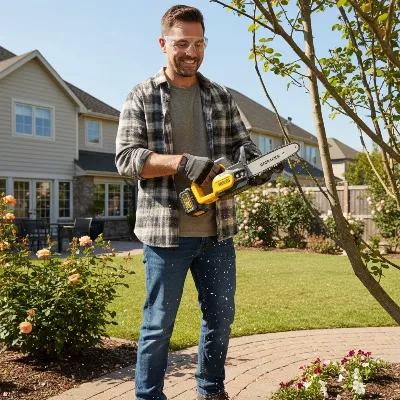 Lightweight chainsaw for homeowner pruning small branches in a backyard, sunny day, eye-level shot, realistic photographic style
Power Output
|
Our Picks for the Best Chain Saw in 2026
As an Amazon Associate I earn from qualifying purchases.
|
||
| Num | Product | Action |
|---|---|---|
| 1 | Greenworks 24V 12" Brushless Cordless Compact Chainsaw (Great For Storm Clean-Up, Pruning, and Firewood / 125+ Compatible Tools), Tool Only |

|
| 2 | Oregon 3-Pack Chainsaw Chain 3/8" LP Pitch, .050" (1.3 mm) Gauge for 18" (45cm) Bar, 62 Drive Links – Low-kickback Replacement Saw Chain, Fits Husqvarna, Echo, Poulan, Homelite, Craftsman and more |
|
| 3 | STIHL Battery Operated Chainsaw with Sound Kids Toy |
|
| 4 | Stihl GTA 26 Wood Cutter with AS 2 Battery and Charger AL 1, Battery Operated |
|
| 5 | Greenworks 24V 10" Cordless Compact Chainsaw (Great For Storm Clean-Up, Pruning, and Firewood), 2.0Ah Battery and Charger Included |
|
| 6 | Makita XCU03PT1 18V X2 (36V) LXT Lithium-Ion Brushless Cordless 14" Chain Saw Kit with, 4 Batteries (5.0Ah) |
|
| 7 | Greenworks 80V 16" Brushless Cordless Chainsaw (Great For Tree Felling, Limbing, Pruning, and Firewood / 75+ Compatible Tools), Tool Only |
|
| 8 | Gas Chainsaw 62CC 20 Inch Professional Powerful 2-Stroke Engine for Tree Cutting, Logging and Firewood with Chain Brake |
|
| 9 | Makita-UC4051A Chain Saw, Electric, 16 in. Bar - Sliver |
|
| 10 | Husqvarna 450 Rancher 20 Inch Gas Chainsaw, 50.2-cc 3.2-HP, 2-Cycle X-Torq Engine, For Tree Pruning, Yard Cleanups and Firewood Cutting, 970613120 |
|
The required power depends on the task. For simple pruning and limbing small branches, lower power (e.g., 20V battery, 12-amp electric, or smaller gas engines) is sufficient. For cutting firewood or larger limbs (up to 12-16 inches in diameter), more robust power is needed, such as 40V-60V battery systems, 14-15 amp electric models, or gas engines around 30-40cc. The best lightweight chainsaws deliver impressive cutting ability without excessive bulk.
Safety Features
Chainsaw operation demands strict safety protocols. Modern lightweight chainsaws include several protective features:
- Chain Brake: Stops chain movement quickly, manually or automatically via an inertia system, especially during kickback.
- Throttle Lockout: Prevents accidental throttle engagement, ensuring the chain only moves when intentionally activated.
- Chain Catcher: A small projection designed to catch a broken or derailed chain, preventing it from flying towards the operator.
- Anti-Vibration System: Reduces vibrations to the handles, minimizing user fatigue and the risk of hand-arm vibration syndrome during prolonged use.
- Right-Hand Guard: Protects the operator’s hand in case of chain breakage.
“Choosing a chainsaw that feels balanced and maneuverable in your hands is just as important as its raw power. For homeowners, a lighter saw translates directly to safer and more comfortable operation, especially when performing tasks that require precision or working above shoulder height.”
Brand and Price
Reputable brands offering excellent lightweight chainsaws for homeowners include EGO, Stihl, Husqvarna, DeWalt, Makita, Worx, Ryobi, Greenworks, and Craftsman, known for reliability and performance. Prices range from $100 for basic corded electric models to $400-$600+ for high-performance battery or gas chainsaws.
Comparison of Popular Lightweight Chainsaw Models
Here’s a comparison of popular lightweight chainsaw models well-suited for homeowners, highlighting key specifications and benefits, focusing on models praised for their balance of weight and performance.
| Model | Power Source | Bar Length | Weight (Approx.) | Key Features | Ideal Use Cases |
|---|---|---|---|---|---|
| EGO Power+ CS1611 | Battery | 16 inches | 9 lbs (without battery) | 40CC gas equivalent power, brushless motor, tool-free chain tensioning | Pruning, limbing, cutting medium firewood, storm cleanup |
| Husqvarna 130 | Gas | 16 inches | 10.3 lbs | X-Torq engine, low emissions, easy start, anti-vibration | Light to moderate tree work, limbing, property maintenance |
| CRAFTSMAN CMECS600 | Corded Electric | 16 inches | 6 lbs | 12-amp motor, automatic oiling, tool-less chain tensioning | Small tree felling, limbing, general yard cleanup (near outlet) |
| Echo CS-3410 | Gas | 14 inches | 8 lbs | 34.4cc engine, lightweight design, professional-grade quality | Light limbing, pruning, brush clearing |
| Stihl GTA 26 | Battery | 4 inches | <3 lbs | Mini pruner, ergonomic design, versatile for small tasks | Precision pruning, shaping shrubs, light cutting |
| Worx WG322 | Battery | 10 inches | 6.19 lbs (without battery) | Auto-tensioning, compact, Power Share battery system | Light pruning, cutting small branches, basic yard work |
| Sun Joe SWJ701E | Corded Electric | 18 inches | 9.7 lbs | 14-amp motor, automatic oiling, handguard, kickback brake | Logs, thick limbs, firewood cutting |
Chainsaw Buying Guide
Making the right choice involves understanding your needs and how different models fit into your workflow.
Determine Usage Needs
Before purchasing, assess the type and frequency of tasks you’ll perform.
- Light-duty (occasional pruning, small branches): A mini chainsaw like the Stihl GTA 26 or a compact battery model is perfect.
- Medium-duty (limbing, cutting small to medium logs, storm cleanup): A 12-16 inch battery-powered or corded electric chainsaw, or a lightweight gas model, will serve you well.
- Heavy-duty (felling larger trees, extensive firewood cutting): For truly heavy work, consider more powerful gas models, though some high-end battery models can approach this performance. Most homeowners do not need a full-sized, heavy-duty chainsaw.
Budget
Establish a realistic budget. Investing in a quality lightweight chainsaw often translates to better performance, durability, and safety features. Factor in accessories like safety gear, bar oil, and extra batteries if opting for a cordless model.
Research Information
Read reviews from multiple sources, watch product demonstrations, and compare specifications. Look for user feedback on weight distribution, ease of starting, battery life (for cordless models), and overall handling. Online forums and expert reviews provide valuable insights into long-term performance and common issues.
Purchase from Reputable Source
Always buy your chainsaw from an authorized dealer or a reputable retailer. This ensures a genuine product, proper warranty coverage, and access to customer support and spare parts. Many retailers offer excellent return policies if the chainsaw doesn’t meet your expectations.
Chainsaw Usage and Maintenance Tips
To maximize lifespan and ensure safe operation of your lightweight chainsaw, proper usage and diligent maintenance are crucial.
- Prioritize Safety Gear: Always wear appropriate personal protective equipment (PPE), including a helmet with face shield, hearing protection, chainsaw-resistant gloves, and chaps or trousers.
- Read the Manual: Familiarize yourself with your specific chainsaw’s operation, safety features, and maintenance schedule.
- Check Chain Tension: Proper chain tension is vital for safe and efficient cutting. A loose chain can derail, while an overly tight one can cause premature wear. Check tension before each use and adjust as needed.
- Keep the Chain Sharp: A dull chain reduces cutting efficiency, increases motor strain, and can be dangerous. Sharpen the chain regularly or replace it when necessary. Dullness is indicated by sawdust production instead of chips or difficulty cutting.
- Maintain Lubrication: Ensure the bar oil reservoir is full before each use. The automatic oiling system needs clean oil to keep the chain and bar running smoothly, reducing friction and heat.
- Clean Regularly: After each use, clean the saw, especially the bar groove, oil ports, air filter (for gas models), and cooling fins. This prevents debris buildup that can impede performance and cause overheating.
- Battery Care (for Cordless): Store batteries in a cool, dry place and follow manufacturer guidelines for charging. Avoid overcharging or fully discharging batteries to prolong their life.
- Proper Storage: When not in use, clean the chainsaw thoroughly, apply a bar cover, and store it in a dry, safe location away from children and pets. For gas chainsaws, drain the fuel if storing for an extended period to prevent carburetor issues.
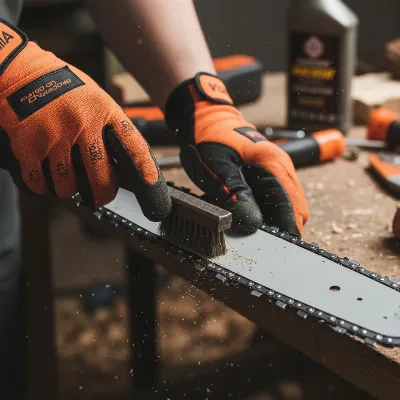 Close-up of a homeowner cleaning a chainsaw guide bar, wire brush, focused, realistic style
Most Popular Lightweight Chainsaw Products Today
For homeowners, some lightweight chainsaws consistently earn high praise for their performance, ease of use, and overall value.
The EGO Power+ CS1611 stands out as a top overall choice for most users due to its exceptional 9-pound weight and cutting power reportedly equivalent to a 40CC gas chainsaw. Its brushless motor and intelligent battery management system deliver impressive runtime and performance, making it ideal for various homeowner tasks.
For those who prefer the responsiveness of a gas engine, the Husqvarna 130 is highly regarded. Weighing around 10.3 pounds with a 16-inch bar and a 38cc engine, it provides sufficient power for limbing, trimming, and debris clearing while remaining relatively light and maneuverable for a gas model.
The CRAFTSMAN CMECS600 is a very affordable and exceptionally lightweight corded electric option, weighing just over 6 pounds. With a 16-inch bar and a 12-amp motor, it’s capable of tackling small trees and offers automatic chain oiling and tool-less tensioning for low maintenance.
For ultra-light pruning and fine detail work, the Stihl GTA 26 cordless garden pruner is a favorite. Despite its tiny 4-inch bar and compact size, it’s surprisingly capable for small branches and is incredibly easy to handle, weighing less than 3 pounds.
Another strong contender in the battery-powered category is the Worx WG322 20V Power Share 10″ Cordless Chainsaw, weighing only 6.19 pounds without the battery. Its auto-tension technology and user-friendly design make it a highly maneuverable option for homeowners needing occasional cutting capability.
Conclusion
Selecting the best lightweight chainsaw for your home can transform demanding yard work into a manageable and enjoyable task. Modern advancements in battery technology have made cordless models incredibly powerful and convenient, often surpassing traditional corded electric and even some gas models in popularity for homeowner use. By carefully considering your specific needs, evaluating the various types and their features, and prioritizing safety, you can confidently choose a lightweight chainsaw that offers the perfect balance of power, portability, and ease of use. The goal is to find a tool that empowers you to keep your property looking its best without unnecessary strain.
Frequently Asked Questions
Frequently Asked Questions
What defines a lightweight chainsaw for homeowner use?
A chainsaw is considered lightweight for homeowners if it generally weighs under 12 pounds (excluding fuel or battery) and has a bar length suitable for typical yard tasks, usually between 10 to 16 inches. These specifications minimize user fatigue and enhance maneuverability for occasional users.
Are battery-powered chainsaws powerful enough for typical homeowner tasks?
Yes, modern battery-powered chainsaws are increasingly powerful. Many 40V to 60V models offer performance comparable to 30-40cc gas chainsaws, making them capable of handling common homeowner tasks like pruning, limbing, and cutting small to medium-sized logs while being lighter and quieter.
What essential maintenance is required for a lightweight chainsaw?
Essential maintenance includes regularly checking and adjusting chain tension, keeping the chain sharp, ensuring proper lubrication with bar oil, cleaning the guide bar and air filter (for gas models), and safely storing the saw when not in use. Battery-powered models also require proper battery care to prolong their life.
How should I choose between a gas, electric, or battery chainsaw?
Choose a gas chainsaw for maximum power and extended use away from power sources, accepting more maintenance and noise. Opt for an electric (corded) model for very light, occasional tasks near an outdoor outlet due to their very light weight and simplicity. Battery chainsaws are ideal for most homeowners, offering a great balance of power, portability, ease of use, low noise, zero emissions, and minimal maintenance.
What are the most important safety features to look for in a chainsaw?
Key safety features include a chain brake (manual and/or inertia-activated) to stop the chain during kickback, a throttle lockout to prevent accidental starts, a chain catcher to protect from chain derailment, and an anti-vibration system for user comfort and reduced fatigue. Always wear proper personal protective equipment (PPE) during operation.
How to Choose a Lightweight Chainsaw for Homeowners
Selecting the right lightweight chainsaw involves assessing your specific needs, understanding the different types available, and prioritizing safety features to ensure efficient and safe operation for yard maintenance.
Assess the type and frequency of tasks you'll perform. For light-duty tasks like occasional pruning, a mini chainsaw or compact battery model is suitable. For medium-duty tasks such as limbing or cutting small to medium logs, a 12-16 inch battery-powered, corded electric, or lightweight gas chainsaw will be effective.
Evaluate gas, electric (corded), and battery-powered options based on their power, portability, and maintenance requirements. Lightweight models typically weigh 6-12 pounds and offer a good balance of power and maneuverability, reducing user fatigue during extended use.
Look for essential safety features such as a chain brake, throttle lockout, chain catcher, anti-vibration system, and a right-hand guard. These features are crucial for protecting the user during operation and minimizing the risk of accidents.
Research reputable brands like EGO, Stihl, Husqvarna, and Craftsman, known for reliability and performance. Establish a realistic budget, remembering to factor in accessories like safety gear, bar oil, and extra batteries for cordless models to ensure long-term value and safety.
Always buy your chainsaw from an authorized dealer or a reputable retailer. This ensures you receive a genuine product, proper warranty coverage, and access to customer support and spare parts, providing peace of mind with your purchase.

This guide was super helpful in choosing a lightweight chainsaw for my property maintenance. I went with a Stihl MS 170, which was highlighted for its reliability and 16-inch bar. It’s powerful enough for felling smaller trees and limbing, yet still feels manageable for extended use. I’m really impressed with how well it performs for its size.
I picked up the Husqvarna 120 Mark II after reading about its anti-vibration system, and it’s been a game-changer for clearing storm debris. My old saw used to leave my arms tingling, but this one is so much more comfortable to use for longer periods. It’s definitely lightweight enough for a homeowner like me, and the 14-inch bar handles most of what I throw at it.
I got the Ryobi 40V based on the recommendation for its balance of power and weight. It’s good for preparing firewood, but I found the chain tensioning a bit fiddly compared to my old gas saw. It gets the job done, but I wish that specific feature was a little more user-friendly. Otherwise, it’s a decent saw for the price range.
I was looking for something easy to handle for pruning branches around my yard, and the guide’s mention of saws weighing between 6 to 12 pounds really helped narrow down my search. I ended up with a Greenworks electric model, and while it’s fantastic for quick jobs and super quiet, the battery life could be a bit better for bigger tasks. Still, it’s perfect for what I needed it for.