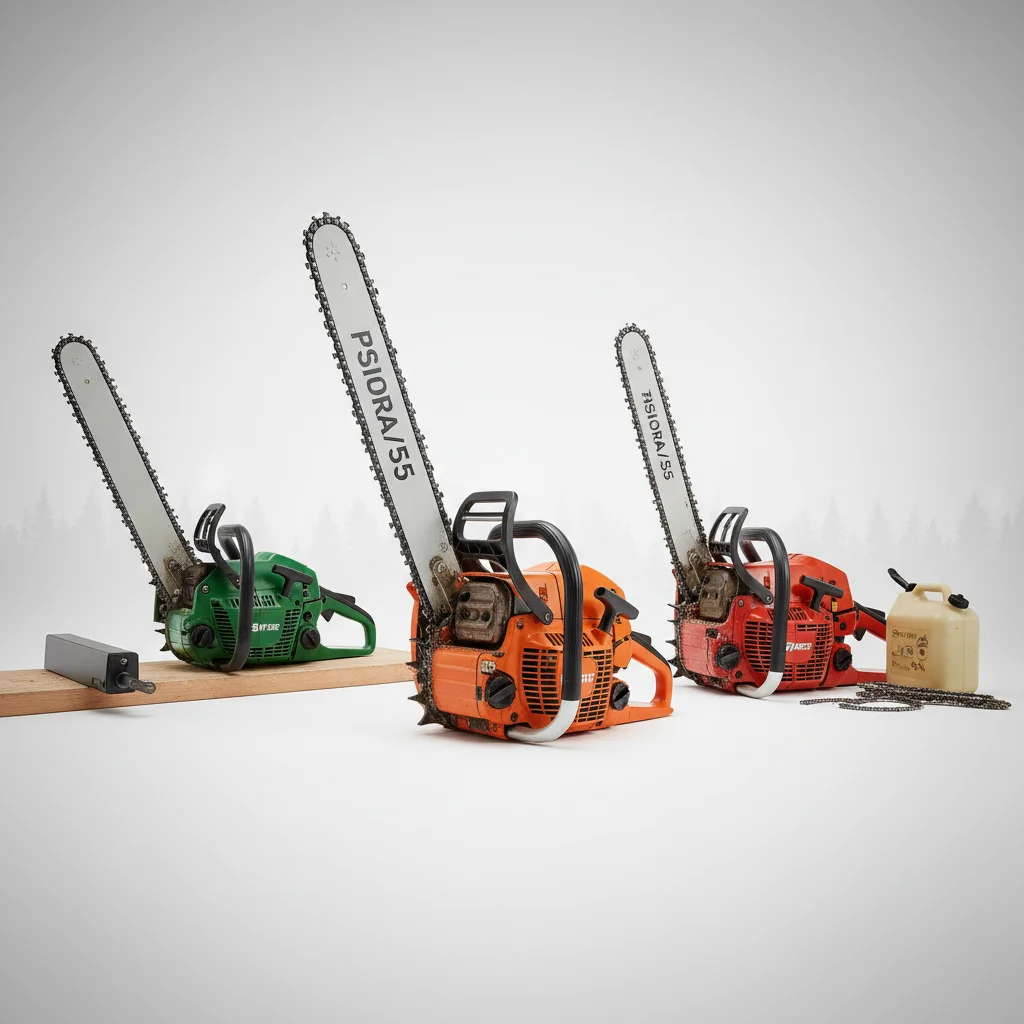
When it comes to felling large trees, selecting the right chainsaw is paramount for both efficiency and safety. For substantial tasks, you’ll need a saw with a powerful engine, a long guide bar, and robust construction. Generally, chainsaws with engine displacements of 60cc or more and guide bars ranging from 20 to 36 inches are ideal for tackling large timber.
Understanding Chainsaw Power and Bar Length for Large Trees
The power of a chainsaw, often measured in cubic centimeters (cc) for gas models or voltage for electric, directly correlates with its ability to cut through dense wood. For large trees, a higher displacement engine (60cc+) provides the necessary torque to maintain chain speed under heavy load. Equally important is the guide bar length. A general rule of thumb is that your guide bar should be at least two inches longer than the diameter of the tree you intend to cut. This allows for a single pass cut, reducing the risk of kickback and improving cutting accuracy.
Consider the type of wood you’ll be cutting. Hardwoods like oak or maple require more power than softer woods such as pine. A professional-grade chainsaw designed for sustained use will have components built to withstand the rigors of felling large trees, including durable crankshafts, heavy-duty air filters, and efficient cooling systems.
Key Features to Look for in a Large Tree Chainsaw
Beyond raw power and bar length, several features contribute to the effectiveness and safety of a chainsaw for large tree work. An anti-vibration system is crucial for reducing operator fatigue during long cutting sessions, which is common when felling big trees. A good chain brake is a non-negotiable safety feature, stopping the chain instantly in the event of kickback. Easy starting mechanisms, such as decompression valves or spring-assisted starts, can save significant effort.
Look for models with a robust metal felling dog (bumper spike) to help pivot the saw during cuts, providing better control. Tool-less chain tensioning can be convenient, but for heavy-duty use, a traditional screw-based tensioner often offers more secure and precise adjustments. Fuel efficiency and a large fuel tank are also beneficial for minimizing interruptions.
- Engine Displacement: 60cc or higher for ample power.
- Guide Bar Length: 20-36 inches, matching tree diameter.
- Anti-Vibration System: Essential for operator comfort and safety.
- Chain Brake: A critical safety feature for immediate chain stop.
- Metal Felling Dog: Improves control and leverage during cuts.
Gas vs. Electric Chainsaws for Large Tree Felling
|
Our Picks for the Best Chain Saw in 2026
As an Amazon Associate I earn from qualifying purchases.
|
||
| Num | Product | Action |
|---|---|---|
| 1 | Makita-UC4051A Chain Saw, Electric, 16 in. Bar - Sliver |

|
| 2 | STIHL Battery Operated Chainsaw with Sound Kids Toy |
|
| 3 | Greenworks 24V 10" Cordless Compact Chainsaw (Great For Storm Clean-Up, Pruning, and Firewood), 2.0Ah Battery and Charger Included |
|
| 4 | Husqvarna 450 Rancher 20 Inch Gas Chainsaw, 50.2-cc 3.2-HP, 2-Cycle X-Torq Engine, For Tree Pruning, Yard Cleanups and Firewood Cutting, 970613120 |
|
| 5 | Oregon 3-Pack Chainsaw Chain 3/8" LP Pitch, .050" (1.3 mm) Gauge for 18" (45cm) Bar, 62 Drive Links – Low-kickback Replacement Saw Chain, Fits Husqvarna, Echo, Poulan, Homelite, Craftsman and more |
|
| 6 | Greenworks 80V 16" Brushless Cordless Chainsaw (Great For Tree Felling, Limbing, Pruning, and Firewood / 75+ Compatible Tools), Tool Only |
|
| 7 | Stihl GTA 26 Wood Cutter with AS 2 Battery and Charger AL 1, Battery Operated |
|
| 8 | Gas Chainsaw 62CC 20 Inch Professional Powerful 2-Stroke Engine for Tree Cutting, Logging and Firewood with Chain Brake |
|
| 9 | Greenworks 24V 12" Brushless Cordless Compact Chainsaw (Great For Storm Clean-Up, Pruning, and Firewood / 125+ Compatible Tools), Tool Only |
|
| 10 | Makita XCU03PT1 18V X2 (36V) LXT Lithium-Ion Brushless Cordless 14" Chain Saw Kit with, 4 Batteries (5.0Ah) |
|
While battery-powered chainsaws have made significant advancements, gas-powered models generally remain the preferred choice for felling large trees due to their superior power and extended runtimes. Gas chainsaws offer unrestricted mobility and the ability to refuel quickly, making them ideal for remote locations or prolonged work. However, they require more maintenance, produce emissions, and are louder.
Some high-voltage battery chainsaws (e.g., 80V or higher) can handle moderately large trees, especially if equipped with a longer bar. They offer lower noise, zero emissions, and less maintenance. The main limitations are battery life and the need for recharging, which can be a hindrance for extensive felling projects. For truly massive trees, the sustained power of a professional gas chainsaw is typically unmatched.
Safety Considerations When Felling Large Trees
Felling large trees is inherently dangerous and requires proper training, personal protective equipment (PPE), and a thorough understanding of felling techniques. Always wear a hard hat, eye protection, hearing protection, chainsaw chaps, and sturdy boots. Before making any cuts, assess the tree’s lean, potential hazards, and escape routes. Plan your felling direction carefully and ensure no one is in the fall zone.
Never operate a chainsaw when fatigued or under the influence. Regularly inspect your chainsaw for damage, ensure the chain is sharp and properly tensioned, and that all safety features are functioning correctly. If you are inexperienced with felling large trees, it is highly recommended to hire a certified arborist or seek professional training.
Maintenance Tips for Your Large Tree Chainsaw
Proper maintenance is key to ensuring your chainsaw performs reliably and safely, especially when tackling large trees. After each use, clean the guide bar groove, air filter, and cooling fins. Keep the chain sharp; a dull chain not only makes cutting harder but also increases the risk of kickback and puts undue strain on the engine. Regularly check the chain tension and adjust as needed.
For gas chainsaws, use the correct fuel mixture and fresh fuel. Inspect the spark plug and replace it if it’s fouled or worn. Keep an eye on the bar oil level and ensure the oiler is functioning correctly to prevent premature wear of the bar and chain. Following the manufacturer’s maintenance schedule will extend the life of your chainsaw and keep it ready for the next big job.

I appreciate the focus on safety and power for large tree felling. I picked up a model based on the recommendations for engine displacement, but I found that the vibration was a bit much after an hour of use. It’s a powerful saw, no doubt, but my hands were pretty fatigued. Wish there was more mention of anti-vibration features to look out for.
I’ve been using chainsaws for years, and the advice here about needing 60cc or more for large trees is spot on. My old 50cc just wasn’t cutting it for the big oaks in my yard. Upgraded to a Stihl in the 70cc range with a 28-inch bar, and it’s a beast. Makes quick work of even the thickest trunks, and I feel a lot safer not having to force it.
This guide was super helpful in narrowing down my options. I was really confused about bar length, but the tip about it being at least two inches longer than the tree diameter made so much sense. Ended up getting a Husqvarna with a 24-inch bar, and it’s been fantastic for the medium-large maples I’ve been clearing. It’s powerful enough without being too heavy for me.
Finally, a clear explanation of why higher displacement engines are so crucial for dense wood! I always just went by brand, but understanding the torque aspect changed my whole approach. My new Echo, which is well over 60cc, handles the heavy load of cutting through old growth pine like a champ. It’s a significant upgrade from my previous saw.