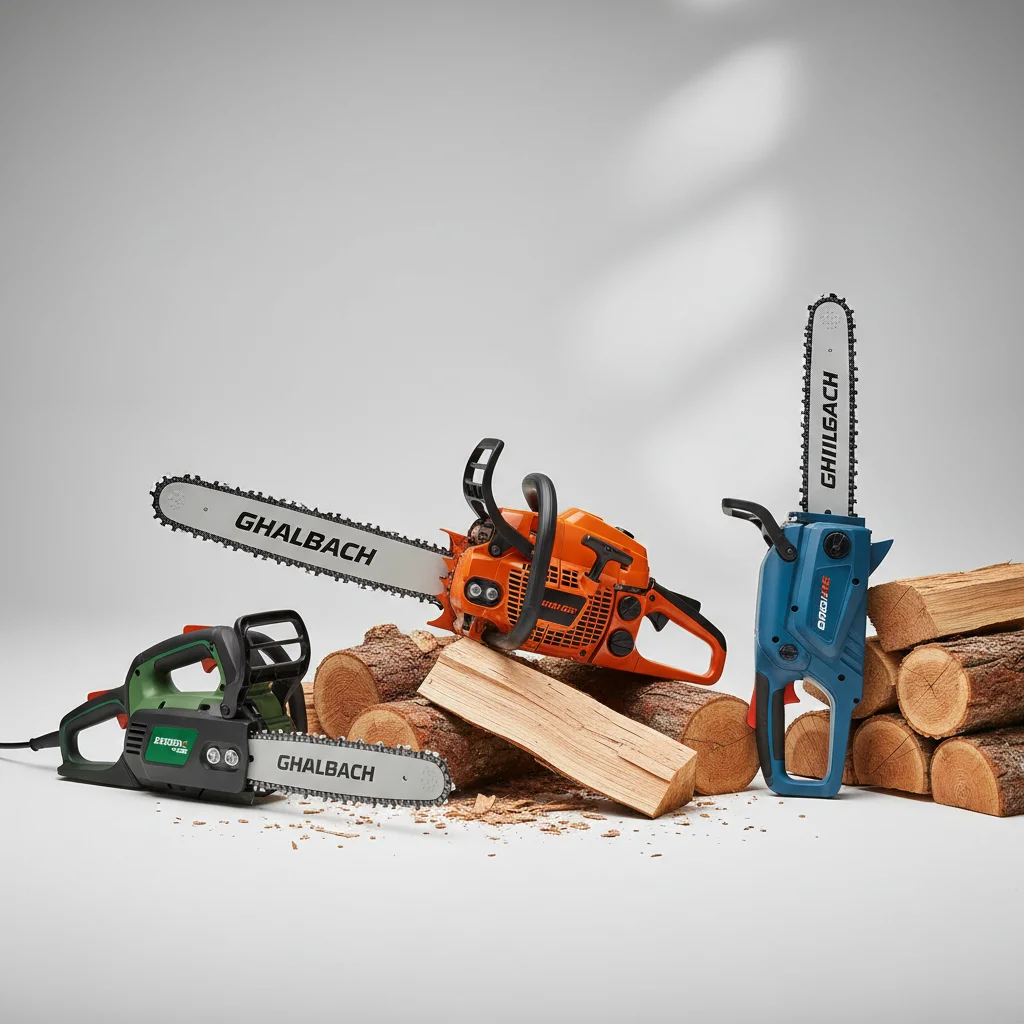
When it comes to efficiently processing firewood, selecting the right chainsaw is paramount. For most homeowners and occasional users, a chainsaw with an engine size between 40cc and 60cc, or an equivalent battery-powered model, offers the ideal balance of power, maneuverability, and safety. This guide will walk you through the essential features to consider, ensuring you choose a saw that makes quick work of your firewood pile.
Understanding Chainsaw Power and Size for Firewood
The power of a chainsaw, whether measured in cubic centimeters (cc) for gas models or voltage (V) for electric ones, directly impacts its ability to cut through different wood types and diameters. For typical firewood tasks, which often involve logs ranging from 6 to 18 inches in diameter, a saw in the mid-range is usually sufficient. Too small, and you’ll struggle; too large, and you’re handling unnecessary weight and power. For chainsaw sales buying guides on this site.
Bar length is another critical factor. A 16-inch to 20-inch bar is generally recommended for firewood. This length provides enough reach for most logs without becoming unwieldy. Always ensure the bar length is appropriate for the size of the wood you intend to cut, leaving a margin for safety.
Gas vs. Electric Chainsaws for Firewood
The choice between gas and electric (corded or battery) chainsaws often comes down to convenience, power, and maintenance. Gas chainsaws offer unrestricted mobility and typically more raw power, making them suitable for larger properties or extended cutting sessions. However, they require fuel mixing, more maintenance, and produce emissions and noise.
Electric chainsaws, especially battery-powered models, are increasingly popular for firewood. They are quieter, require less maintenance, and start instantly. While they may not match the sustained power of a large gas saw, modern battery technology provides ample cutting time for most household firewood needs. Corded electric saws offer continuous power but limit your range to the length of an extension cord.
Key Features to Look For
|
Our Picks for the Best Chain Saw in 2026
As an Amazon Associate I earn from qualifying purchases.
|
||
| Num | Product | Action |
|---|---|---|
| 1 | Gas Chainsaw 62CC 20 Inch Professional Powerful 2-Stroke Engine for Tree Cutting, Logging and Firewood with Chain Brake |

|
| 2 | Stihl GTA 26 Wood Cutter with AS 2 Battery and Charger AL 1, Battery Operated |
|
| 3 | Greenworks 24V 12" Brushless Cordless Compact Chainsaw (Great For Storm Clean-Up, Pruning, and Firewood / 125+ Compatible Tools), Tool Only |
|
| 4 | Greenworks 80V 16" Brushless Cordless Chainsaw (Great For Tree Felling, Limbing, Pruning, and Firewood / 75+ Compatible Tools), Tool Only |
|
| 5 | Greenworks 24V 10" Cordless Compact Chainsaw (Great For Storm Clean-Up, Pruning, and Firewood), 2.0Ah Battery and Charger Included |
|
| 6 | Husqvarna 450 Rancher 20 Inch Gas Chainsaw, 50.2-cc 3.2-HP, 2-Cycle X-Torq Engine, For Tree Pruning, Yard Cleanups and Firewood Cutting, 970613120 |
|
| 7 | STIHL Battery Operated Chainsaw with Sound Kids Toy |
|
| 8 | Oregon 3-Pack Chainsaw Chain 3/8" LP Pitch, .050" (1.3 mm) Gauge for 18" (45cm) Bar, 62 Drive Links – Low-kickback Replacement Saw Chain, Fits Husqvarna, Echo, Poulan, Homelite, Craftsman and more |
|
| 9 | Makita-UC4051A Chain Saw, Electric, 16 in. Bar - Sliver |
|
| 10 | Makita XCU03PT1 18V X2 (36V) LXT Lithium-Ion Brushless Cordless 14" Chain Saw Kit with, 4 Batteries (5.0Ah) |
|
When evaluating chainsaws for firewood, several features can significantly enhance performance and user experience. An anti-vibration system is crucial for reducing operator fatigue during long cutting sessions. A chain brake is a non-negotiable safety feature, stopping the chain instantly in the event of kickback.
Tool-less chain tensioning systems simplify maintenance and adjustments, allowing you to quickly tighten or loosen the chain without extra tools. An automatic oiler ensures the bar and chain are consistently lubricated, prolonging their lifespan and improving cutting efficiency. Consider models with easy-start systems if you opt for a gas chainsaw, as this can save considerable effort.
- Engine/Motor Size: 40-60cc for gas, 40V-80V for battery.
- Bar Length: 16-20 inches for versatility.
- Safety Features: Chain brake and anti-vibration system are essential.
- Ease of Use: Tool-less chain tensioning and automatic oiler.
- Weight: Lighter saws reduce fatigue during prolonged use.
Maintenance and Safety Tips
Regardless of the chainsaw you choose, proper maintenance and adherence to safety protocols are paramount. Always wear appropriate personal protective equipment (PPE), including a helmet with face shield, hearing protection, gloves, and chainsaw chaps. Never operate a chainsaw when fatigued or under the influence of substances.
Regularly check the chain tension, sharpen the chain, and clean the air filter (for gas saws) or ensure battery contacts are clean (for electric saws). Proper storage, especially during off-season, will extend the life of your equipment. Always consult your chainsaw’s owner’s manual for specific maintenance schedules and safety guidelines.
Choosing the right chainsaw for cutting firewood doesn’t have to be complicated. By focusing on power, bar length, key features, and your specific needs, you can find a reliable tool that makes preparing for winter a much more manageable task. Remember, safety first, always.For more options and detailed comparisons, check out our top recommendations.

I got a 40cc saw, thinking it would be enough for my occasional use and smaller logs. While it’s great for anything under 10 inches, I’ve found it struggles a bit with the harder, larger pieces, especially when they’re over 14 inches. Next time, I’ll probably spring for something closer to the 60cc range to avoid the bogging down.
I picked up a 50cc gas model after reading about the ideal engine size for firewood. It’s been a beast for my oak and maple logs, easily handling diameters up to 16 inches. The balance is surprisingly good for its power, making those long cutting sessions much less tiring. Definitely recommend going for that mid-range power.
I was on the fence about gas vs. battery, but decided to try a battery-powered model for my smaller firewood needs, mostly pine and some softer woods. It’s super convenient not dealing with fuel mixes, and it cuts through 8-10 inch logs like butter. My only minor gripe is the battery life; I usually need two charges to get through my whole pile, but it recharges pretty fast.
This guide really helped me understand the importance of matching the saw to the wood diameter. I used to just grab whatever was cheapest, but investing in a saw that handles 6 to 18 inch logs has made a huge difference. My new saw makes quick work of my firewood pile, and I feel much safer using it too.