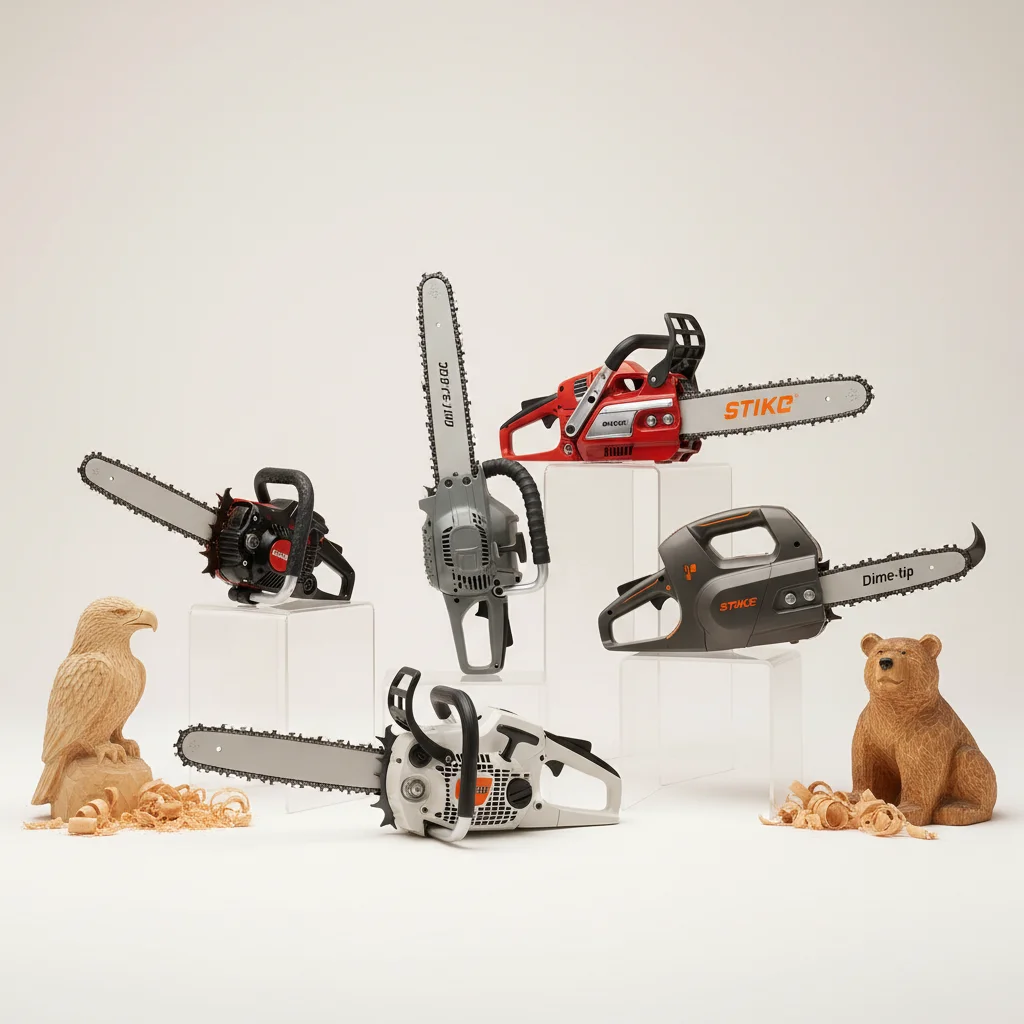
Choosing the right chainsaw for carving wood is crucial for achieving intricate designs and smooth finishes. For detailed artistic work, you’ll typically need a chainsaw with a smaller bar, a low-kickback chain, and excellent maneuverability. The top choices often include models specifically designed for arborist work or those with specialized carving bars, offering precision and control that standard chainsaws lack.
Why a Specialized Chainsaw for Carving?
Standard chainsaws are built for felling trees and bucking logs, prioritizing power and speed over finesse. Wood carving, however, demands precision. A specialized carving chainsaw features a much narrower nose on its bar, often called a ‘dime tip’ or ‘quarter tip,’ which allows for fine detail work and tight turns without tearing the wood. These saws also tend to be lighter and have lower vibration, reducing fatigue during long carving sessions.
Key Features to Look for in Carving Chainsaws
When selecting a chainsaw for carving, several features stand out. A small, lightweight powerhead is essential for control. Look for models with engine displacements typically under 40cc for gas saws, or compact battery-powered options. The bar length is also critical; most carvers prefer bars between 8 and 14 inches. A low-profile, low-kickback chain is a must for safety and smooth cuts. Additionally, good balance and ergonomic handles will significantly improve your carving experience.
- Narrow-nose carving bar (dime or quarter tip)
- Lightweight and compact design for maneuverability
- Low-kickback chain for safety and precision
- Engine displacement under 40cc (gas) or equivalent battery power
- Excellent balance and ergonomic grip
Gas vs. Electric Chainsaws for Carving
|
Our Picks for the Best Chain Saw in 2026
As an Amazon Associate I earn from qualifying purchases.
|
||
| Num | Product | Action |
|---|---|---|
| 1 | Makita-UC4051A Chain Saw, Electric, 16 in. Bar - Sliver |

|
| 2 | Oregon 3-Pack Chainsaw Chain 3/8" LP Pitch, .050" (1.3 mm) Gauge for 18" (45cm) Bar, 62 Drive Links – Low-kickback Replacement Saw Chain, Fits Husqvarna, Echo, Poulan, Homelite, Craftsman and more |
|
| 3 | Greenworks 24V 10" Cordless Compact Chainsaw (Great For Storm Clean-Up, Pruning, and Firewood), 2.0Ah Battery and Charger Included |
|
| 4 | Gas Chainsaw 62CC 20 Inch Professional Powerful 2-Stroke Engine for Tree Cutting, Logging and Firewood with Chain Brake |
|
| 5 | Greenworks 24V 12" Brushless Cordless Compact Chainsaw (Great For Storm Clean-Up, Pruning, and Firewood / 125+ Compatible Tools), Tool Only |
|
| 6 | Makita XCU03PT1 18V X2 (36V) LXT Lithium-Ion Brushless Cordless 14" Chain Saw Kit with, 4 Batteries (5.0Ah) |
|
| 7 | Greenworks 80V 16" Brushless Cordless Chainsaw (Great For Tree Felling, Limbing, Pruning, and Firewood / 75+ Compatible Tools), Tool Only |
|
| 8 | Husqvarna 450 Rancher 20 Inch Gas Chainsaw, 50.2-cc 3.2-HP, 2-Cycle X-Torq Engine, For Tree Pruning, Yard Cleanups and Firewood Cutting, 970613120 |
|
| 9 | Stihl GTA 26 Wood Cutter with AS 2 Battery and Charger AL 1, Battery Operated |
|
| 10 | STIHL Battery Operated Chainsaw with Sound Kids Toy |
|
Both gas and electric (corded or battery) chainsaws have their place in wood carving. Gas chainsaws offer unlimited runtime and often more power for larger pieces, but they are louder, require fuel mixing, and produce emissions. Battery-powered chainsaws are quieter, lighter, and offer instant starts, making them excellent for indoor work or areas where noise is a concern. However, their runtime is limited by battery life. Corded electric chainsaws provide consistent power but are restricted by the length of the power cord.
Recommended Models for Wood Carving
For serious wood carvers, certain models consistently receive high praise. Stihl and Husqvarna offer professional-grade arborist saws that can be fitted with carving bars, providing robust performance and durability. Brands like Echo and Makita also have compact, powerful options suitable for detailed work. When considering a purchase, always check for the availability of specialized carving bars and chains for the model you are interested in.These specialized tools are an investment that will pay off in the quality and ease of your carving projects.
Maintaining Your Carving Chainsaw
Proper maintenance is vital for any chainsaw, especially one used for intricate work. Keep your chain sharp; a dull chain will tear the wood and make precise cuts impossible. Regularly clean the air filter and check the spark plug on gas models. For battery saws, ensure batteries are charged and stored correctly. Always inspect your bar for wear and tear, and replace it when necessary to maintain optimal carving performance.Following these maintenance tips will extend the life of your chainsaw and ensure consistent results.

I’ve been using a standard chainsaw for years and always struggled with the finer details. Switching to a model with a ‘dime tip’ bar has been a game changer for my wood carving projects. The precision and control are incredible, making it so much easier to get those intricate designs without tearing the wood. Definitely worth the investment for serious carvers.
This guide was spot on about needing a specialized chainsaw for carving. I used to think any small saw would do, but the difference a narrow nose bar makes is night and day. I can finally achieve those tight turns and delicate details without fighting the saw. My pieces look so much more professional now.
I picked up one of the recommended arborist saws for my carving, and it’s fantastic for maneuverability. It’s much lighter than my old saw, which really helps with fatigue during longer sessions. My only minor gripe is that the low-kickback chain took a little getting used to for some of the deeper cuts, but overall, I’m very happy with the smooth finishes I’m achieving.
I got a chainsaw with a smaller bar, hoping for better control, and it definitely delivers on that front. However, I found the vibration to be a bit more than I expected, even for a specialized carving saw. It’s not terrible, but after an hour or so, my hands feel it. Still, for the price range, it’s a decent option for getting into more detailed work.