For many homeowners, a chainsaw is an indispensable tool for tackling yard work, from trimming unruly branches to preparing firewood. However, navigating the market for a reliable chainsaw while adhering to a strict budget can feel daunting. The good news is that you don’t have to break the bank to acquire a capable machine. This comprehensive guide will help you pinpoint the best budget chainsaws under $200 available in 2026, ensuring you find a tool that balances affordability with essential performance and crucial safety features.
Overview of Chainsaws
A chainsaw is a portable mechanical saw designed for felling trees, limbing, bucking, pruning, and cutting firewood. It consists of a set of teeth attached to a rotating chain that runs along a guide bar. While early chainsaws were bulky and primarily gas-powered, their evolution has brought forth lighter, more user-friendly, and diverse options to cater to various needs.
The history of chainsaws dates back to the late 18th century, with early designs being surgical tools. However, the modern, portable chainsaw for logging and forestry began to emerge in the early 20th century, becoming widely adopted after World War II. Initially heavy and requiring two operators, advancements in engineering led to the single-operator, gasoline-powered models we recognize today. More recently, environmental concerns and technological innovations have pushed the development of electric and battery-powered alternatives, broadening the choices available to consumers.
Today, the market offers three primary types of chainsaws, each with distinct advantages:
- Gas-Powered Chainsaws: Known for their robust power and mobility, gas chainsaws are typically favored for heavy-duty tasks like felling large trees or extensive storm cleanup, as they offer the most raw cutting capability.
- Corded Electric Chainsaws: These models provide consistent power without the need for fuel mixing or battery charging. They are generally lighter, quieter, and require less maintenance, making them excellent for tasks around the home where a power outlet is accessible.
- Battery-Powered (Cordless) Chainsaws: Offering the ultimate in portability and convenience, cordless chainsaws are increasingly popular for light to medium-duty jobs. They produce zero emissions, operate quietly, and are perfect for pruning, limbing, and quick cutting tasks away from power sources.
Factors to Consider When Buying a Chainsaw
Choosing the right chainsaw, especially on a budget, involves evaluating several key factors to ensure it meets your specific needs without compromising safety or efficiency.
Type of Chainsaw
Your choice of power source is fundamental, as it dictates the saw’s performance, maintenance, and suitability for different tasks.
-
Gas Chainsaws: These are the workhorses for serious cutting.
- Pros: Superior power output for dense wood and larger trunks, unlimited mobility in remote areas, and professional-grade capability. They can be quickly refueled for minimal downtime.
- Cons: Tend to be heavier, noisier, produce emissions, and require more maintenance (fuel mixing, carburetor adjustments, air filter cleaning). Starting can sometimes be more challenging.
- Applications: Felling larger trees, extensive firewood cutting, heavy storm debris cleanup. The Troy-Bilt TB4216 42cc 16-inch model, for example, offers excellent value with its power and anti-vibration system, making it suitable for demanding homeowner tasks.
-
Electric (Corded) Chainsaws: Ideal for consistent power close to home.
- Pros: Lower initial cost, instant starting (no pull-cord), minimal maintenance, quiet operation, and zero local emissions. They are generally lightweight, reducing user fatigue.
- Cons: Limited mobility due to the need for an electrical outlet and extension cord, and typically less powerful than gas equivalents.
- Applications: Pruning, limbing, cutting smaller logs, and general yard maintenance. The Oregon CS1500 stands out with its innovative self-sharpening system and tool-less chain tensioning, providing convenience for regular use.
-
Battery (Cordless) Chainsaws: The epitome of convenience and eco-friendliness.
- Pros: Exceptional portability, quiet operation, zero emissions, and low maintenance. They are easy to start and highly maneuverable.
- Cons: Battery life and power can be a limitation for prolonged heavy-duty tasks. The initial cost might be slightly higher if you need to buy batteries and a charger separately, though many budget models include them.
- Applications: Light pruning, quick trimming jobs, clearing brush, and small-to-medium log cutting where quietness is preferred. The Greenworks 40V 12” Cordless Chainsaw is a popular choice for homeowners, offering a good balance of power and eco-friendliness.
Bar Length and Weight
The bar length determines the maximum diameter of wood a chainsaw can cut in a single pass.
- Choosing the Right Size: For budget chainsaws, common bar lengths range from 10 to 18 inches.
- 10-12 inches: Best for small tasks like pruning branches and clearing brush.
- 14-16 inches: Versatile for medium-sized branches, limbing, and cutting firewood.
- 18 inches: Suitable for larger logs and occasional felling of small trees.
- Weight: A chainsaw’s weight significantly impacts user comfort and fatigue. Lighter models (under 10 lbs) are easier to maneuver for extended periods, especially overhead tasks. Heavier saws, typically gas-powered, provide more stability for felling but can be tiring. For example, the BLACK+DECKER LCS1020 is notably lightweight at just 6.5 lbs, making it ideal for easy handling during light pruning.
Power Output
The raw power of your chainsaw is crucial for efficient cutting.
- Gas Chainsaws: Power is measured in cubic centimeters (cc) of engine displacement. Budget gas saws often range from 30cc to 45cc.
- 30-35cc: Sufficient for light pruning and small limbs.
- 35-42cc: Good for medium trees and general firewood cutting.
- 42cc+: Provides maximum capability for heavier tasks within the budget range.
- Electric (Corded) Chainsaws: Power is measured in amps (A). Budget corded models typically offer 9 to 15 amps. A 14-15 amp motor, like that found in the Sun Joe SWJ701E, offers robust cutting power for an electric unit.
- Battery (Cordless) Chainsaws: Power is indicated by voltage (V). Common budget options are 20V or 40V. Higher voltage generally translates to more power and longer runtimes, but can also mean a heavier battery.
Safety Features
Safety is paramount when operating any chainsaw. Never compromise on these essential features, even on a budget model. Reputable budget chainsaws from established brands will include these protections.
- Chain Brake System: Automatically stops the chain during kickback incidents, drastically reducing the risk of injury. Look for inertia-activated brakes.
- Low Kickback Bar and Chain: Designed to minimize the force of kickback, which occurs when the tip of the guide bar strikes an object.
- Hand Guard Protection: Shields your hand from debris and provides a barrier if the chain were to derail.
- Anti-Vibration Systems: Reduces vibration transmitted to the handles, minimizing operator fatigue and the risk of long-term health issues like Hand-Arm Vibration Syndrome (HAVS).
- Throttle Lockout: Prevents accidental acceleration of the chain, ensuring the saw only operates when intentionally engaged.
- Proper Engine Shutdown: A reliable stop switch that is easily accessible.
Brand Reputation and Price
While sticking to a $200 budget, choosing a chainsaw from a reputable brand can offer peace of mind through better quality control, customer support, and warranty coverage. Brands like Greenworks, BLACK+DECKER, WORX, CRAFTSMAN, Poulan Pro, Troy-Bilt, Husqvarna (entry-level), Oregon, and Sun Joe often offer reliable budget-friendly options. Be wary of extremely cheap, unknown brands that may cut corners on critical safety features or use substandard materials.
> “Finding a quality chainsaw doesn’t mean sacrificing safety or essential performance. Today’s budget chainsaw market offers surprisingly capable tools that deliver reliable cutting power for homeowners and occasional users.” – Asaya, Woodcarving Expert
Popular Budget Chainsaws Under $200 (Comparison Table)
Here’s a comparison of some of the best budget chainsaws available in 2026, encompassing different power types to help you find the perfect match for your needs.
| Model | Type | Bar Length | Power | Key Features | Pros | Cons |
|---|---|---|---|---|---|---|
| Troy-Bilt TB4216 | Gas | 16-inch | 42cc | SpringAssist Easy Start, Auto Oiler, Inertia-Activated Chain Brake, Anti-Vibration | High power, excellent mobility, ergonomic handling | Heavier, noisier, requires fuel mixing and more maintenance |
| Oregon CS1500 | Corded Elec | 18-inch | 15-amp | Integrated PowerSharp Self-Sharpening System, Tool-less Chain Tensioning, Automatic Oiler | Self-sharpening feature, quiet, instant start, no fuel hassle | Limited by cord length, less raw power than gas |
| Greenworks 40V 12” | Cordless | 12-inch | 40V | Automatic Oiler, Brushless Motor (on some models), Cushion Grip | Lightweight, eco-friendly, portable, low maintenance, compatible with other 40V tools | Battery life can be a limitation for long tasks, less powerful for very dense wood |
| BLACK+DECKER LCS1020 | Cordless | 10-inch | 20V MAX | Tool-Free Chain Tensioning, Compact, Lightweight, Wrap-Around Handle | Extremely lightweight and maneuverable, ideal for precise pruning and small tasks | Smallest bar length, best suited for very light-duty applications |
| Sun Joe SWJ701E | Corded Elec | 18-inch | 14-amp | Automatic Oiler, Low Kickback Bar and Chain, Safety Switch, Ergonomic Handle | Powerful for an electric saw, good bar length for its class, built-in safety features | Cord limits range, some users report difficulty with chain tightening |
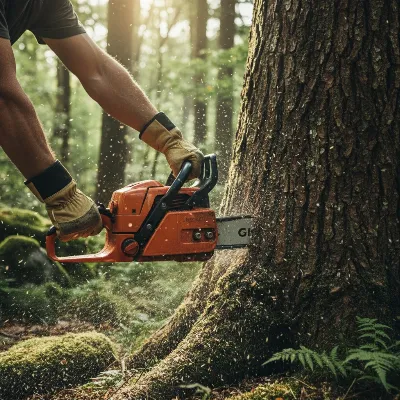 A gas chainsaw cutting a thick log in a forest setting, emphasizing power and outdoor use.
Buying Guide: How to Choose Your Budget Chainsaw
Making an informed decision for a chainsaw under $200 requires a clear understanding of your needs and careful consideration of available options.
Determine Your Usage Needs
Before anything else, identify what tasks you’ll primarily use the chainsaw for. Are you looking to:
- Prune small branches and shrubs? A lightweight, smaller bar (10-12 inches) electric or battery chainsaw would be ideal.
- Cut firewood from medium-sized logs? A 14-16 inch corded electric or a moderately powerful gas chainsaw (35-42cc) might be a better fit.
- Clear storm debris or fell small trees? A 16-18 inch gas chainsaw with good power will likely be necessary.
Consider how frequently you’ll use it. Occasional users might prioritize ease of use and low maintenance, while more frequent users might look for durability and power.
Set Your Budget
While your overall budget is $200, factor in potential additional costs for safety gear (chaps, helmet, gloves, eye/ear protection), bar oil, and, for battery models, potentially a second battery. Some “tool-only” cordless options might fit the sub-$200 price if you already own compatible batteries and chargers, as seen with some DeWalt pruning saws.
Research and Read Reviews
Dive deeper into specific models once you have a clearer idea of the type and features you need. Read independent reviews, watch product demonstrations, and pay attention to aggregated customer feedback regarding reliability, ease of starting, chain tensioning, and battery life. Websites often provide detailed pros and cons that highlight real-world performance.
Purchase from Reputable Retailers
Always buy from established stores or online retailers that offer clear warranty policies and customer support. This helps ensure you receive a genuine product that meets safety standards and can be serviced if issues arise. Avoid unknown sellers offering deals that seem too good to be true, as these might be selling low-quality or unsafe products.
Tips for Safe Use and Maintenance
Even the most affordable chainsaw demands respect and consistent care to ensure safe operation and extend its lifespan.
- Prioritize Safety Gear: Always wear personal protective equipment (PPE). This includes a hard hat, eye protection (safety glasses and/or face shield), hearing protection, heavy-duty gloves, chainsaw chaps (to protect legs), and steel-toed boots. Never operate a chainsaw without appropriate safety attire.
- Understand Your Saw: Read the owner’s manual thoroughly before first use. Familiarize yourself with all controls, especially the chain brake and stop switch.
- Proper Technique: Maintain a firm, two-hand grip on the chainsaw at all times. Keep your feet firmly planted and maintain a balanced stance. Be aware of the kickback zone and avoid cutting with the tip of the guide bar. Clear your work area of any obstacles or people.
- Daily Maintenance Routine:
- Check Chain Tension: A properly tensioned chain should be snug but still allow you to pull it around the bar by hand. Check this before and during use.
- Verify Bar Oil Level: Ensure the automatic oiler reservoir is filled with appropriate bar and chain oil. Proper lubrication prevents overheating and excessive wear.
- Inspect Chain Sharpness: A dull chain requires more force, produces sawdust instead of chips, and increases the risk of kickback. Sharpen or replace as needed.
- Clean Regularly: After each use, clear sawdust and debris from the air filter (for gas models), cooling fins, and the guide bar groove. This prevents overheating and maintains performance.
- Fuel (Gas Models): Use fresh, properly mixed fuel (for 2-stroke engines). Store fuel in approved containers and add fuel stabilizer for long-term storage.
- Storage: Store your chainsaw in a clean, dry, and secure location, out of reach of children. For gas models, drain the fuel or use a stabilizer for seasonal storage. For battery models, store batteries partially charged in a cool, dry place.
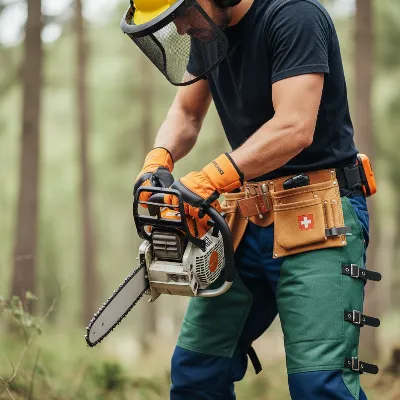 A person wearing complete chainsaw safety gear, including helmet, visor, ear protection, and chaps, preparing to use a chainsaw.
Top-Rated Budget Chainsaw Products for 2026
When considering the best overall value in the sub-$200 category for 2026, several models consistently rise to the top, balancing power, features, and reliability for homeowners.
- For Versatile Homeowner Use (Cordless): Greenworks 40V 12” Cordless Chainsaw. This model is often highlighted for its user-friendly design and sufficient power for common yard tasks. Its 40V system provides a good balance for efficiency without the fuss of gas, making it a strong contender for those prioritizing convenience and eco-friendliness.
- For Demanding Tasks (Gas): Troy-Bilt TB4216 42cc 16-inch Chainsaw. If you require more raw power for felling small trees or cutting larger amounts of firewood, the Troy-Bilt TB4216 offers exceptional value. Its 42cc engine, coupled with features like SpringAssist for easy starting and anti-vibration handles, makes it a robust choice within the budget.
- For Innovation and Low Maintenance (Corded Electric): Oregon CS1500 Self-Sharpening Electric Chain Saw. The standout feature here is its integrated PowerSharp sharpening system, which allows you to sharpen the chain on the saw in seconds. This feature alone can save significant time and effort over the saw’s lifespan, making it a highly practical option for consistent electric power needs.
These selections represent solid choices that deliver genuine value, combining essential performance with critical safety features that ensure reliable operation for years to come.
Conclusion
Finding a high-quality chainsaw under $200 in 2026 is entirely achievable, allowing you to tackle a variety of outdoor tasks without a significant investment. The key is to carefully consider your primary needs and choose a chainsaw type—gas, corded electric, or battery-powered—that aligns with your typical applications and work environment. Prioritizing essential safety features, opting for reputable brands, and committing to regular maintenance will ensure your budget chainsaw provides years of reliable and safe service. With an informed choice, you can confidently take on yard work and property maintenance.
What tasks will your new budget chainsaw help you conquer first, making your outdoor projects easier and more efficient?
Frequently Asked Questions
What kind of work can a chainsaw under $200 handle?
A budget chainsaw under $200 is generally suitable for light to medium-duty tasks, such as pruning branches, cutting small to medium-sized logs for firewood, and clearing brush. Gas models might handle slightly larger tasks than electric or battery ones in this price range, typically up to 16-18 inch diameter cuts.
Are battery-powered chainsaws under $200 worth it?
Yes, many battery-powered chainsaws under $200 offer excellent convenience, low noise, and zero emissions, making them ideal for homeowners. They are great for quick jobs and light pruning, especially if you already own compatible batteries from the same brand, as some models are sold as “tool-only.”
How important are safety features on a budget chainsaw?
Safety features are paramount regardless of the chainsaw’s price. Essential features like an inertia-activated chain brake, a handguard, and a throttle lockout mechanism are critical for preventing accidents and should never be compromised when selecting a budget model. Always ensure the chainsaw meets relevant safety certifications.
How often should I maintain a cheap chainsaw?
Regular maintenance is crucial for extending the lifespan and ensuring safe operation of any chainsaw, especially budget models. Daily checks for chain tension and oil levels, along with cleaning the air filter (for gas models) and removing debris after each use, are highly recommended. Proper storage is also key to longevity.
What are the main differences between gas and electric chainsaws under $200?
Gas chainsaws under $200 generally offer more power and mobility, suitable for heavier tasks and remote work. However, they are noisier, require more maintenance, and produce emissions. Electric chainsaws (corded or battery) are typically lighter, quieter, require less maintenance, and are easier to start, making them ideal for lighter tasks around the home.
