To unflood a gas chainsaw engine quickly at home, first ensure the kill switch is ON and the choke is OFF. Then, hold the throttle wide open and pull the starter cord 10 to 15 times to clear excess fuel. If this quick method fails, remove the spark plug, clean it, pull the cord another 10 to 15 times to clear the cylinder, then reinstall the plug and attempt to start the engine without choke.
Understanding Chainsaw Engine Flooding
Chainsaw engine flooding is primarily a consequence of an imbalanced air-to-fuel ratio within the engine’s combustion chamber. When an excessive amount of gasoline enters this critical space, it “wets” the spark plug, making it impossible for the spark to ignite the fuel mixture efficiently. This results in the engine sputtering, refusing to start, or briefly igniting with a puff of dark smoke before dying out.
What is Engine Flooding?
Engine flooding in a gas chainsaw means there’s a surplus of fuel in the cylinder. The engine needs a precise blend of air and fuel to combust; too much fuel, and the spark plug gets overwhelmed, losing its ability to create the necessary spark for ignition. Common causes include over-choking the engine during startup, pulling the starter cord too many times without the engine catching, or, in some cases, issues with the carburetor allowing too much fuel into the system. For chainsaw sales buying guides on this site.
Signs of a Flooded Chainsaw
Recognizing the symptoms of a flooded chainsaw is the first step towards a quick resolution. If you encounter difficulty starting, such as the engine sputtering once or twice before failing to catch, it’s a strong indicator. You might also experience a “wet” sound or unusual resistance when pulling the starter cord. A definitive sign is a strong smell of raw gasoline emanating from the engine. If you remove the spark plug, its electrodes and insulator tip will likely be visibly wet with fuel. Should the engine briefly start, it often emits an excessive quantity of thick, dark exhaust due to the rich fuel mixture partially burning off the excess hydrocarbons.
Essential Tools for Unflooding (and When You Might Not Need Them)
While some unflooding methods require basic tools, many situations can be resolved with little to no specialized equipment. Knowing which approach to take can streamline the process and get your chainsaw running faster.
When Tools Are Necessary
For a more thorough unflooding process, particularly if the initial “no-tool” method doesn’t work, you will need a spark plug wrench. A clean rag is also highly recommended to wipe away any excess fuel and to cover the spark plug hole while clearing the cylinder. These simple items are usually part of a basic chainsaw maintenance kit and are invaluable for a complete unflood.
Unflooding Without Tools
|
Our Picks for the Best Chain Saw in 2026
As an Amazon Associate I earn from qualifying purchases.
|
||
| Num | Product | Action |
|---|---|---|
| 1 | Greenworks 80V 16" Brushless Cordless Chainsaw (Great For Tree Felling, Limbing, Pruning, and Firewood / 75+ Compatible Tools), Tool Only |

|
| 2 | Stihl GTA 26 Wood Cutter with AS 2 Battery and Charger AL 1, Battery Operated |
|
| 3 | Makita-UC4051A Chain Saw, Electric, 16 in. Bar - Sliver |
|
| 4 | Greenworks 24V 12" Brushless Cordless Compact Chainsaw (Great For Storm Clean-Up, Pruning, and Firewood / 125+ Compatible Tools), Tool Only |
|
| 5 | Greenworks 24V 10" Cordless Compact Chainsaw (Great For Storm Clean-Up, Pruning, and Firewood), 2.0Ah Battery and Charger Included |
|
| 6 | Husqvarna 450 Rancher 20 Inch Gas Chainsaw, 50.2-cc 3.2-HP, 2-Cycle X-Torq Engine, For Tree Pruning, Yard Cleanups and Firewood Cutting, 970613120 |
|
| 7 | Makita XCU03PT1 18V X2 (36V) LXT Lithium-Ion Brushless Cordless 14" Chain Saw Kit with, 4 Batteries (5.0Ah) |
|
| 8 | STIHL Battery Operated Chainsaw with Sound Kids Toy |
|
| 9 | Oregon 3-Pack Chainsaw Chain 3/8" LP Pitch, .050" (1.3 mm) Gauge for 18" (45cm) Bar, 62 Drive Links – Low-kickback Replacement Saw Chain, Fits Husqvarna, Echo, Poulan, Homelite, Craftsman and more |
|
| 10 | Gas Chainsaw 62CC 20 Inch Professional Powerful 2-Stroke Engine for Tree Cutting, Logging and Firewood with Chain Brake |
|
Often, you can clear a flooded engine without needing to remove any components. This method focuses on maximizing airflow and cycling the engine to expel the excess fuel. It’s the quickest first attempt and can often resolve minor flooding incidents caused by a few too many choked pulls. This approach is beneficial when you need to get back to work immediately and don’t have access to your toolbox.
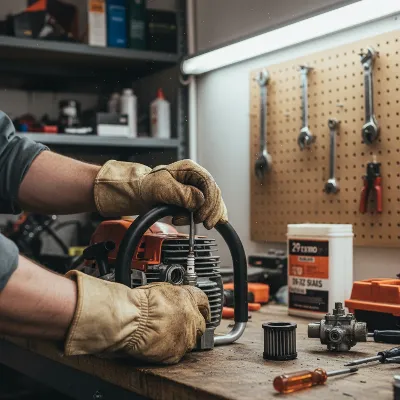 Technician demonstrating how to unflood a gas chainsaw engine quickly at home with tools.
Step-by-Step Guide to Unflood Your Gas Chainsaw
Approaching a flooded chainsaw requires a methodical process, prioritizing safety and effectiveness. There are primarily two methods to unflood your engine, one requiring no tools and a more thorough one involving spark plug removal.
Safety First
Before attempting any procedure on your chainsaw, always prioritize safety. Ensure the chainsaw is on a stable, flat surface. Engage the chain brake to prevent accidental chain movement. If you’re removing the spark plug, always disconnect the high-tension spark plug wire boot first to prevent accidental ignition. Clear the area around the chainsaw of any combustible materials, especially when dealing with raw fuel.
Method 1: Without Removing the Spark Plug (Quick Fix)
This is often the fastest way to unflood your chainsaw and should be your first attempt if you suspect minor flooding.
- Switch to ON: Ensure the engine kill switch is in the “ON” position.
- Choke OFF: Move the choke lever to the “OFF” (or run) position. This maximizes airflow into the carburetor.
- Throttle Wide Open: Hold the throttle trigger fully depressed. This opens the carburetor’s throttle plate, allowing even more air to enter the engine.
- Pull the Cord: Pull the starter cord 10 to 15 times slowly and deliberately, but with force. This action cycles the piston, pushing the excess fuel out through the exhaust port. You might visibly see mist or liquid fuel escaping the exhaust.
- Listen and Restart: Listen for a change in the engine’s sound, possibly a sputter, indicating the excess fuel is clearing. Once you’ve completed the pulls, release the throttle and attempt to start the chainsaw normally (following the manufacturer’s cold or warm start procedure, but typically without choke at this point).
Method 2: With Spark Plug Removal (More Thorough)
If the no-tool method doesn’t work, a more comprehensive approach involving the spark plug is necessary.
- Turn Engine OFF: Ensure the engine kill switch is in the “OFF” position.
- Engage Chain Brake: For added safety, engage the chain brake.
- Disconnect Spark Plug Wire: Carefully pull the spark plug wire boot straight off the spark plug.
- Remove Spark Plug: Use a correctly sized spark plug wrench to carefully unscrew and remove the spark plug from the cylinder head.
- Inspect and Clean: Examine the spark plug. If it’s wet with fuel, confirm the flooding. Wipe the plug clean with a dry rag and allow it to air dry completely. Ensure the electrodes are free of moisture.
- Clear Cylinder: With the spark plug removed, pull the starter cord 10 to 15 times. This expels any excess liquid fuel from the cylinder through the open spark plug hole. Point the hole away from your face and use a rag to catch any fuel spray.
- Clean Plug Hole: Wipe away any fuel that might have accumulated around the spark plug hole.
- Reinstall and Connect: Reinstall the dried spark plug and tighten it to the correct torque specification (do not overtighten). Reconnect the spark plug wire boot securely.
- Attempt Start: Set the choke control to the “OFF” (run) position and the engine switch to “ON.” Pull the starter cord quickly and forcefully, but without jerking, to attempt to start the engine. It may take a few pulls as the system balances out.
Preventing Future Chainsaw Flooding
The best way to deal with a flooded chainsaw is to prevent it from happening in the first place. Adopting proper starting techniques and adhering to a regular maintenance schedule can significantly reduce the likelihood of your engine flooding.
Correct Starting Procedure
Always follow your chainsaw manufacturer’s specific starting instructions. Generally, this involves engaging the choke for a cold start, pulling the cord until you hear the engine “pop” or briefly sputter, and then immediately pushing the choke to the “OFF” or “half-choke” position before attempting to start again. Avoid excessive pulls on the starter cord when the choke is engaged, as this is the most common cause of flooding. Understanding your chainsaw’s unique starting nuances will prevent unnecessary fuel accumulation in the cylinder.
Regular Maintenance
Consistent maintenance is key to a reliable chainsaw. Regularly inspect and clean or replace the air filter to ensure adequate airflow, which is vital for a balanced air-fuel mixture. Check and clean your spark plug periodically, replacing it if it shows signs of wear or heavy carbon buildup. For 2-stroke engines, always use the correct fuel-to-oil mixture ratio, as an overly rich mixture can contribute to flooding. Proper fuel storage, using fresh, stabilized fuel, prevents carburetor issues that can lead to flooding.
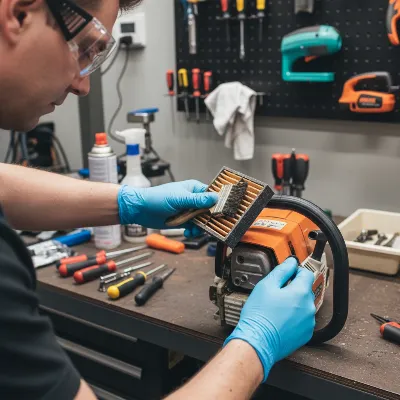 Expert demonstrating chainsaw maintenance to prevent engine flooding at home.
Troubleshooting Beyond a Simple Unflood
While the unflooding methods described will resolve most common issues, sometimes a chainsaw continues to flood or exhibits more complex problems. These situations may indicate underlying mechanical issues that require further investigation.
Persistent Flooding Issues
If your chainsaw consistently floods even after applying the correct unflooding procedures, it could point to a problem with the carburetor. The carburetor’s role is to mix air and fuel precisely, and if it’s faulty or out of adjustment, it can continuously supply too much fuel to the engine. Carburetor issues might include a stuck float, a clogged needle valve, or improper idle mixture settings. Another less common but possible cause is a fuel tank not venting properly, which can create excessive pressure and force too much fuel into the carburetor and cylinder.
When to Seek Professional Help
There are instances when it’s best to consult a professional small engine mechanic. If your chainsaw is hydro-locked (meaning there’s so much liquid fuel in the cylinder that the piston cannot complete its stroke, potentially causing damage), or if the basic unflooding methods and maintenance checks fail to resolve persistent flooding, professional diagnosis is recommended. Attempting complex repairs without the proper tools or expertise can lead to further damage.
“A common mistake I see is operators over-choking the saw, or cranking it endlessly when it doesn’t fire. Knowing when to stop, and how to effectively clear that excess fuel, is paramount to maintaining your saw’s health and avoiding unnecessary repairs.” – John M., Certified Small Engine Mechanic
Conclusion
Dealing with a flooded gas chainsaw engine can be a momentary setback, but it’s a common issue that, with the right knowledge, can be quickly resolved at home. By understanding the signs of flooding and diligently following the steps to either perform a quick, no-tool unflood or a more thorough spark plug removal process, you can swiftly get your equipment back in working order. More importantly, consistent application of correct starting procedures and regular maintenance are your best defense against future flooding, ensuring your chainsaw remains a reliable tool for years to come. What preventative steps will you implement today to keep your chainsaw running smoothly?
Frequently Asked Questions
Can I unflood a chainsaw without removing the spark plug?
Yes, you can often unflood a chainsaw by ensuring the choke is off, holding the throttle wide open, and pulling the starter cord repeatedly (10-15 times) to clear excess fuel from the cylinder through the exhaust system.
How do I know my chainsaw is flooded?
Key signs include difficulty starting, a strong smell of gasoline, a “wet” sound during pulls, and if the engine briefly starts, it may emit excessive dark smoke. A visibly wet spark plug confirms flooding.
How many times should I pull the cord to unflood?
For unflooding, whether with or without the spark plug removed, pulling the starter cord 10 to 15 times is generally sufficient to clear out the excess fuel from the engine’s combustion chamber.
What happens if I don’t unflood my chainsaw?
If you don’t unflood a chainsaw, it simply won’t start. Continued attempts to start a flooded engine can exacerbate the problem, potentially lead to spark plug fouling, or, in severe cases, cause a hydro-lock which can damage internal engine components.
Why does my chainsaw keep flooding?
Persistent flooding often points to underlying issues beyond a simple starting error. Common causes include a faulty or improperly adjusted carburetor, a clogged air filter restricting airflow, or problems with the fuel tank’s venting system. Regular maintenance and professional inspection can address these issues.
How to Unflood a Gas Chainsaw Engine
This guide provides two methods to unflood a gas chainsaw engine: a quick fix without tools and a more thorough process involving spark plug removal.
Ensure the engine kill switch is ON and the choke lever is in the OFF position. Hold the throttle trigger fully depressed. Pull the starter cord 10 to 15 times slowly and deliberately to expel excess fuel through the exhaust port. Then, attempt to start the chainsaw normally without choke.
Turn the engine kill switch OFF and engage the chain brake. Disconnect the spark plug wire and use a wrench to remove the spark plug. Inspect the plug for wetness, clean it with a dry rag, and allow it to air dry. Pull the starter cord 10 to 15 times with the spark plug removed to clear the cylinder, catching any fuel spray with a rag.
Wipe away any fuel around the spark plug hole. Reinstall the dried spark plug, tightening it to the correct torque, and securely reconnect the spark plug wire boot. Set the choke control to OFF (run) and the engine switch to ON. Pull the starter cord quickly and forcefully to attempt to start the engine, which may take a few pulls.
Always follow your chainsaw manufacturer's specific starting instructions, avoiding excessive pulls with the choke engaged. Regularly inspect and clean or replace the air filter and spark plug. Use the correct fuel-to-oil mixture ratio for 2-stroke engines and fresh, stabilized fuel.

Good info here. I usually just let my Husqvarna sit for a while after flooding, but the spark plug removal method is definitely faster. Cleaning the plug really does make a difference. I appreciate the clear steps, especially for someone who isn’t super mechanically inclined.
This explanation of an imbalanced air-to-fuel ratio really helped me understand why my chainsaw acts up. I used to just yank the cord until my arm hurt. Now I know to check the kill switch and choke first, then follow the steps. My Echo CS-400 starts much more reliably now.
My Poulan Pro 20-inch saw gets flooded pretty easily if I’m not careful with the choke. I tried the first method, but it took more like 20 pulls for me to get it going again, not 10-15. It eventually worked, but it was a bit of a workout. Still, better than nothing.
I’ve had my Stihl MS 271 Farm Boss for years and occasionally flood it when I’m in a hurry. The tip about holding the throttle wide open and pulling the cord 10-15 times worked like a charm for me last weekend. It saved me a trip to the repair shop and got me back to clearing brush in no time. Great advice!