Cleaning a dirty chainsaw carburetor can restore your chainsaw’s performance, often resolving issues like difficulty starting, poor idling, or lack of power. This DIY task involves careful disassembly, thorough cleaning of components with specialized carburetor cleaner and brushes, and meticulous reassembly. By following specific steps and using the right tools, you can save time and avoid costly professional repairs, ensuring your chainsaw operates at peak efficiency.
Understanding Your Chainsaw Carburetor
The carburetor is essentially the heart of your chainsaw’s engine, responsible for mixing air and fuel in the precise ratio required for combustion. Air is drawn into the engine, passing through the carburetor’s venturi, which speeds up the airflow and creates a pressure drop. This drop pulls fuel from the carburetor’s fuel bowl, combining it with the air before sending the mixture to the combustion chamber where it ignites to generate power. Beyond this fundamental task, the carburetor also meticulously controls the engine’s idle speed and regulates the air-fuel supply based on the engine’s speed, load, and throttle position. A clean, properly functioning carburetor ensures optimal fuel efficiency, consistent power delivery, and a longer lifespan for your chainsaw.
Essential Preparations Before Cleaning
Before you begin the cleaning process, careful preparation is key to ensuring safety and efficiency. This stage involves gathering the necessary tools and understanding the signs that indicate your carburetor needs attention.
Safety First: Prioritizing Your Well-being
Working with fuel and small engine components requires a strong emphasis on safety. Always start by ensuring the chainsaw engine is completely turned off and cool to prevent accidental starts or burns. Disconnect the spark plug wire; this is a non-negotiable step to eliminate any chance of the engine firing up during your work. Protect your eyes with safety glasses and wear gloves to shield your hands from fuel and harsh cleaning chemicals. Select a well-ventilated area for your workspace, away from any open flames or ignition sources, as fuel vapors are highly flammable.
Essential Tools and Supplies for the Job
Having the right tools at hand will make the cleaning process smoother and more effective. You’ll need:
- Screwdriver set (Phillips and flathead) and wrenches for disassembly.
- Rags or paper towels for cleaning and wiping.
- A small bowl to catch any residual fuel.
- Carburetor cleaner spray: Products like Sta-Bil, Sea Foam, CRC, Gumout, or Berryman’s Chem-Dip are effective.
- Wire brushes (small, soft-bristled, and toothbrush-sized) to scrub away deposits.
- Compressed air (can or compressor) for blowing out passages.
- A needle or thin wire to clear tiny jets and passages.
- A new carburetor gasket kit or replacement parts, if inspection reveals wear.
Recognizing a Dirty Carburetor: Key Symptoms
|
Our Picks for the Best Chain Saw in 2026
As an Amazon Associate I earn from qualifying purchases.
|
||
| Num | Product | Action |
|---|---|---|
| 1 | Greenworks 24V 10" Cordless Compact Chainsaw (Great For Storm Clean-Up, Pruning, and Firewood), 2.0Ah Battery and Charger Included |

|
| 2 | Makita XCU03PT1 18V X2 (36V) LXT Lithium-Ion Brushless Cordless 14" Chain Saw Kit with, 4 Batteries (5.0Ah) |
|
| 3 | Husqvarna 450 Rancher 20 Inch Gas Chainsaw, 50.2-cc 3.2-HP, 2-Cycle X-Torq Engine, For Tree Pruning, Yard Cleanups and Firewood Cutting, 970613120 |
|
| 4 | Greenworks 80V 16" Brushless Cordless Chainsaw (Great For Tree Felling, Limbing, Pruning, and Firewood / 75+ Compatible Tools), Tool Only |
|
| 5 | Oregon 3-Pack Chainsaw Chain 3/8" LP Pitch, .050" (1.3 mm) Gauge for 18" (45cm) Bar, 62 Drive Links – Low-kickback Replacement Saw Chain, Fits Husqvarna, Echo, Poulan, Homelite, Craftsman and more |
|
| 6 | Makita-UC4051A Chain Saw, Electric, 16 in. Bar - Sliver |
|
| 7 | Gas Chainsaw 62CC 20 Inch Professional Powerful 2-Stroke Engine for Tree Cutting, Logging and Firewood with Chain Brake |
|
| 8 | STIHL Battery Operated Chainsaw with Sound Kids Toy |
|
| 9 | Greenworks 24V 12" Brushless Cordless Compact Chainsaw (Great For Storm Clean-Up, Pruning, and Firewood / 125+ Compatible Tools), Tool Only |
|
| 10 | Stihl GTA 26 Wood Cutter with AS 2 Battery and Charger AL 1, Battery Operated |
|
Identifying the signs of a dirty carburetor early can prevent more significant issues. Common indicators include:
- Difficulty starting: The engine may be reluctant to fire up or require multiple pulls.
- Poor or inconsistent idling: The engine struggles to maintain a steady idle speed, often sputtering or dying.
- Lack of power or bogging down: The chainsaw loses power or hesitates when accelerating or under load.
- Excessive smoke or emissions: Unusual exhaust smoke can indicate an imbalanced air-fuel mixture.
- Surging or rough running: The engine’s RPMs fluctuate erratically.
- Visible fuel leaks: Fuel leaking from around the carburetor can indicate deteriorated gaskets or seals.
> “A clean carburetor helps your chainsaw work at its best, prolonging its life and ensuring smooth operation.” – Jessica Jones, Chainsaw Maintenance Expert
Step-by-Step Guide to Cleaning Your Chainsaw Carburetor
Cleaning a chainsaw carburetor involves careful disassembly, thorough cleaning of each component, and meticulous reassembly. Follow these steps for a successful DIY cleaning.
Preparation and Disassembly
- Remove the Air Filter Cover and Air Filter: Start by unscrewing the fasteners holding the air filter cover in place. Carefully remove the cover and then the air filter itself. Inspect the filter for dirt and clean or replace it if necessary.
- Access the Carburetor: Depending on your chainsaw model, you might need to remove additional covers or components to fully expose the carburetor.
- Turn Off Fuel Supply and Disconnect Lines: Locate the fuel valve (if present) and turn it off. If there’s no valve, use clamps to pinch the fuel lines to prevent spills. Carefully disconnect the fuel lines from the carburetor. Place a small bowl underneath to catch any residual fuel.
- Disconnect Linkages: Carefully detach the throttle and choke linkages from the carburetor. Pay close attention to how they are connected; taking a photo can be helpful for reassembly.
- Remove the Carburetor: Unfasten any mounting bolts or screws securing the carburetor to the engine. Gently lift the carburetor assembly away.
- Disassemble the Carburetor: With the carburetor on your workbench, begin to carefully disassemble it. This typically involves removing the float bowl (if present), gaskets, diaphragms, and jets. Work slowly and methodically, laying out the parts in the order they were removed. This will greatly aid in proper reassembly. Inspect each part for dirt, wear, or damage as you go.
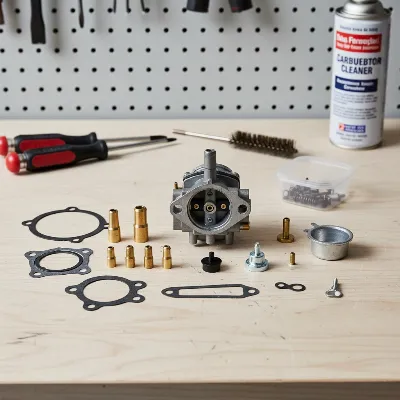 Chainsaw carburetor disassembled on a workbench, showing individual components laid out for cleaning, with various tools like screwdrivers and brushes.
Cleaning the Components
- Spray with Carburetor Cleaner: Generously spray all metal carburetor components, including the carburetor body, jets, and passages, with a specialized carburetor cleaner. Focus on areas with visible gum, varnish, or carbon deposits. Many cleaners are designed to dissolve these buildups quickly.
- Scrub Away Deposits: Use small wire brushes, toothbrushes, or other soft-bristled brushes to physically scrub away stubborn grime and deposits from all surfaces. For delicate parts like diaphragms, use a soft cloth and cleaner, avoiding abrasive tools.
- Clear Clogged Passages and Jets: The tiny jets and passages within the carburetor are crucial for proper fuel flow and are often the first to get clogged. Use a thin wire or a needle to carefully poke through these small holes, ensuring they are completely clear. Follow up with another spray of cleaner.
- Blow with Compressed Air: Once all parts are clean and free of visible debris, use compressed air to thoroughly blow out all passages, jets, and the carburetor body. This removes any loosened particles and ensures no cleaner residue remains.
- Inspect and Dry: Inspect each component one last time for any remaining dirt or signs of damage. Allow all parts to dry completely before proceeding to reassembly.
Reassembly and Testing
- Reassemble the Carburetor: Carefully reassemble the carburetor in reverse order of disassembly. Ensure all gaskets and diaphragms are correctly positioned; if they appear cracked or damaged, replace them with new ones from a repair kit. Tighten screws and bolts to the manufacturer’s specifications.
- Reinstall on Chainsaw: Mount the cleaned carburetor back onto the chainsaw engine, reconnecting all fuel lines and throttle/choke linkages. Ensure all connections are secure.
- Refill Fuel Tank: If you drained the fuel, refill the tank with fresh, properly mixed fuel.
- Test the Chainsaw: Attempt to start the chainsaw. It might take a few extra pulls to prime the fuel system. Once started, let it idle for a few minutes. Listen for smooth engine operation, consistent idling, and responsiveness when the throttle is applied. If necessary, refer to your chainsaw’s manual for specific carburetor adjustment procedures.
Common Mistakes to Avoid During Carburetor Cleaning
While cleaning your chainsaw carburetor is a rewarding DIY task, certain missteps can lead to further problems. Avoid these common mistakes:
- Forgetting safety precautions: Always disconnect the spark plug wire and wear protective gear. Ignoring these can lead to serious injury.
- Incomplete disassembly: Not taking the carburetor apart thoroughly means you might miss clogged passages, leaving residual grime.
- Losing small parts: Carburetors contain tiny screws, springs, and jets. Keep them organized in a tray or on a magnetic mat to prevent loss.
- Using incorrect cleaning agents: Harsh chemicals not designed for carburetors can damage delicate rubber and plastic components. Stick to specialized carburetor cleaners.
- Failing to clear all passages: Even the tiniest speck of dirt in a jet can impede fuel flow and cause performance issues. Use a thin wire and compressed air diligently.
- Damaging gaskets or diaphragms: These components are crucial for sealing and proper fuel metering. Handle them carefully and replace them if they show any signs of wear.
- Incorrect reassembly: Putting parts back in the wrong order or orientation can prevent the carburetor from functioning correctly. Refer to photos taken during disassembly or a service manual.
- Not replacing old fuel: If a dirty carburetor was due to stale or contaminated fuel, simply cleaning it without replacing the fuel will likely lead to the same problem recurring quickly.
Maintenance Tips for a Healthy Carburetor
Regular maintenance extends the life of your chainsaw’s carburetor and prevents future cleaning headaches.
- Use fresh fuel: Stale fuel, especially ethanol-blended gasoline, can degrade and leave gummy deposits that clog the carburetor. Always use fresh, properly mixed fuel, preferably ethanol-free.
- Add fuel stabilizer: For chainsaws that aren’t used frequently, adding a fuel stabilizer to the tank can prevent fuel degradation during storage.
- Run the tank dry: If storing your chainsaw for an extended period (more than a month), run the engine until the fuel tank is completely empty. This prevents fuel from sitting in the carburetor and forming deposits.
- Clean the air filter regularly: A clean air filter ensures optimal airflow, reducing strain on the carburetor and preventing dirt from entering the fuel system.
- Inspect fuel lines and filter: Periodically check fuel lines for cracks and the fuel filter for clogs, replacing them as needed. A clogged fuel filter starves the carburetor of fuel.
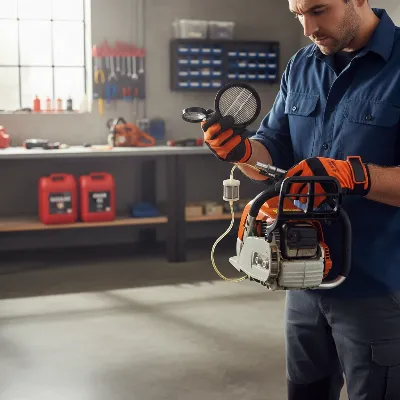 A person performing routine maintenance on a chainsaw, emphasizing clean fuel and filters, with a focus on preventative care.
When to Seek Professional Help
While DIY carburetor cleaning is effective for many issues, there are times when professional assistance is the best course of action. If you’ve cleaned the carburetor thoroughly and the chainsaw still exhibits problems like persistent starting issues, erratic idling, or a significant loss of power, there might be deeper underlying problems. These could include worn internal carburetor components beyond simple cleaning, a faulty fuel pump, issues with the ignition system, or even engine compression problems. If you’re unsure about diagnosing complex issues, or if the carburetor requires a full rebuild with specialized tools and calibration, taking your chainsaw to a certified technician can ensure proper diagnosis and repair, ultimately extending the life and performance of your valuable tool.
Conclusion
A dirty chainsaw carburetor can improve your reliable cutting companion into a frustrating piece of equipment. By understanding its function, adhering to safety protocols, and following a methodical cleaning process, you can confidently restore your chainsaw’s performance. Regular maintenance, including using fresh fuel and stabilizers, is crucial to prevent future issues and ensure your chainsaw is always ready for the task at hand. Don’t let a clogged carburetor sideline your projects; empower yourself with the knowledge to bring your chainsaw back to life. What’s the next maintenance task you’ll tackle to keep your chainsaw running flawlessly?
Frequently Asked Questions
How often should I clean my chainsaw carburetor?
The frequency depends on usage and fuel quality. For occasional users, cleaning once a year or when performance issues arise is generally sufficient. For frequent users or if using fuel without stabilizer, more frequent checks and cleanings (every 3-6 months) might be necessary to maintain optimal performance.
Can I clean a chainsaw carburetor without removing it?
Yes, for minor issues, you can try cleaning the carburetor without removing it. This typically involves adding a fuel system cleaner to your chainsaw’s fuel tank and running the engine, or spraying carburetor cleaner directly into the air intake while the engine is running. However, this method is generally less thorough than a full disassembly and cleaning.
What type of carburetor cleaner is best for chainsaws?
Aerosol carburetor cleaner sprays are popular and effective for chainsaws. Brands like Sta-Bil, Sea Foam, Gumout, and CRC are widely recommended. Some robust dip-style cleaners, such as Berryman’s Chem-Dip, are suitable for soaking disassembled parts for heavy buildup. Always choose a cleaner safe for small engine components and wear protective gear.
What causes a chainsaw carburetor to get dirty?
The most common cause is stale fuel. Modern ethanol-blended gasoline can degrade over time, leaving behind gummy deposits and varnish that clog the tiny passages and jets within the carburetor. Dirt and debris entering the fuel system through a faulty fuel filter or cap can also contribute to clogging.
What should I do if my chainsaw still runs poorly after cleaning the carburetor?
If your chainsaw continues to run poorly after a thorough carburetor cleaning, inspect other components such as the spark plug, fuel filter, and air filter for wear or clogs. If these are in good condition, the carburetor itself might have internal wear or damage requiring a rebuild kit, or there could be other engine issues such as compression loss. In such cases, professional diagnosis and repair are advisable.
Frequently Asked Questions
How often should I clean my chainsaw carburetor?
The frequency of cleaning a chainsaw carburetor depends on usage and fuel quality. For occasional users, cleaning once a year or when performance issues arise is generally sufficient. Frequent users or those using fuel without stabilizer might need more frequent checks and cleanings, potentially every 3-6 months, to maintain optimal performance.
Can I clean a chainsaw carburetor without removing it?
Yes, for minor issues, you can attempt to clean a chainsaw carburetor without removing it. This method typically involves adding a fuel system cleaner to the chainsaw's fuel tank and running the engine, or spraying carburetor cleaner directly into the air intake while the engine is running. However, this approach is generally less thorough than a full disassembly and cleaning.
What type of carburetor cleaner is best for chainsaws?
Aerosol carburetor cleaner sprays are popular and effective for chainsaws, with brands like Sta-Bil, Sea Foam, Gumout, and CRC being widely recommended. For heavy buildup, robust dip-style cleaners such as Berryman's Chem-Dip are suitable for soaking disassembled parts. Always choose a cleaner safe for small engine components and wear protective gear.
What causes a chainsaw carburetor to get dirty?
The most common cause of a dirty chainsaw carburetor is stale fuel. Modern ethanol-blended gasoline degrades over time, leaving gummy deposits and varnish that clog the tiny passages and jets within the carburetor. Additionally, dirt and debris entering the fuel system through a faulty fuel filter or cap can contribute to clogging.
What should I do if my chainsaw still runs poorly after cleaning the carburetor?
If your chainsaw continues to run poorly after a thorough carburetor cleaning, inspect other components like the spark plug, fuel filter, and air filter for wear or clogs. If these are in good condition, the carburetor itself might have internal wear or damage requiring a rebuild kit, or there could be other engine issues such as compression loss. In such cases, professional diagnosis and repair are advisable.
How to Clean a Chainsaw Carburetor
This guide provides a step-by-step process for safely and effectively cleaning a dirty chainsaw carburetor, restoring your tool's performance.
First, ensure the chainsaw is off and cool, then disconnect the spark plug wire for safety. Remove the air filter cover and air filter, then access the carburetor by removing any necessary covers. Turn off the fuel supply, disconnect fuel lines, and detach throttle/choke linkages before unfastening and carefully removing the carburetor from the engine. Disassemble the carburetor, laying out parts in order for easy reassembly.
Generously spray all metal carburetor components, including the body, jets, and passages, with a specialized carburetor cleaner to dissolve gum and varnish. Use small wire brushes or toothbrushes to scrub away stubborn deposits from all surfaces. For delicate parts like diaphragms, use a soft cloth and cleaner. Carefully clear tiny jets and passages with a thin wire or needle, then spray again with cleaner.
After cleaning, use compressed air to thoroughly blow out all passages, jets, and the carburetor body to remove loosened particles and cleaner residue. Inspect each component one last time for any remaining dirt or signs of damage. Allow all parts to dry completely before proceeding to reassembly.
Carefully reassemble the carburetor in the reverse order of disassembly, ensuring all gaskets and diaphragms are correctly positioned and replaced if damaged. Mount the cleaned carburetor back onto the chainsaw engine, reconnecting all fuel lines and throttle/choke linkages securely. Refill the fuel tank with fresh, properly mixed fuel if it was drained.
Attempt to start the chainsaw; it may require a few extra pulls to prime the fuel system. Once started, let it idle for a few minutes, listening for smooth engine operation and consistent idling. Test responsiveness when the throttle is applied. If necessary, consult your chainsaw's manual for specific carburetor adjustment procedures to fine-tune performance.

I tried cleaning my Husqvarna’s carburetor after reading this, hoping to fix its poor performance. While the instructions for cleaning the components were helpful, I still had some difficulty with the fuel bowl reassembly. It’s working better, but not perfectly. Maybe I just need more practice with these kinds of repairs.
I was having so much trouble with my Stihl chainsaw not idling right, and I almost took it to a shop. This guide on cleaning the carburetor saved me a ton of money. The detailed steps for disassembly and reassembly were super clear, even for someone like me who’s not a mechanic. My saw runs like new now!
My old Poulan was really struggling to start, and I suspected the carburetor was the issue. Following the advice here about using specialized carburetor cleaner made a huge difference. It took a bit longer than I expected to get everything spotless, but the improvement in power is definitely noticeable. Good tips for a DIY job.
This DIY guide was a lifesaver! My chainsaw was constantly bogging down, and I thought it was a goner. The explanation of how the venturi works and pulls fuel really helped me understand what I was doing. After a thorough cleaning, my saw has all its power back and starts on the first pull. Highly recommend trying this before paying for professional repairs.