A chainsaw is an indispensable tool for any property owner, offering unmatched efficiency for felling trees, cutting firewood, or clearing brush. Yet, with great power comes the responsibility of meticulous care. Investing in a new gas chainsaw is just the first step; understanding its anatomy and adhering to a rigorous maintenance schedule is paramount to ensuring its longevity, optimal performance, and, most importantly, your safety. This comprehensive guide will equip you with the knowledge to maintain your gas chainsaw, transforming you from a novice owner into a confident, skilled operator who understands the heartbeat of their machine.
An Overview of Chainsaws
Chainsaws are powerful, portable mechanical saws designed to cut through wood with a rapidly rotating chain of cutters. From humble beginnings, these tools have evolved significantly, becoming essential for various tasks, including professional forestry, landscaping, and routine homeowner yard work. Historically, manual saws were the norm, but the invention of the chainsaw revolutionized timber processing and land management.
Today, chainsaws primarily come in three types: gas-powered, electric (corded), and battery-powered (cordless). Gas chainsaws remain a popular choice for their immediate availability and sustained power, offering the muscle needed for demanding tasks without concerns about battery charge levels or being tethered to an outlet. Their robust engines and longer runtimes make them ideal for heavy-duty applications and working in remote areas where electricity is unavailable.
Key Factors to Consider When Buying a Chainsaw
When you’re choosing a new gas chainsaw, several factors will influence its suitability for your tasks and, indirectly, the ease and frequency of its maintenance. Understanding these elements from the outset can save you time and effort in the long run.
Chainsaw Types: Gas
Gas chainsaws are the workhorses of the chainsaw family. They boast superior power and are highly portable, making them ideal for cutting larger logs, felling trees, and extended use in areas without power access. However, they are typically heavier, noisier, and produce exhaust emissions. They also require more intricate maintenance, including fuel mixing, spark plug checks, and carburetor adjustments, compared to their electric counterparts. For serious cutting tasks and consistent outdoor work, a gas model is often the best choice.
Size and Weight
The size of a chainsaw, primarily dictated by its engine displacement and guide bar length, directly impacts its capabilities and how comfortably you can operate and maintain it. A larger, heavier saw might be powerful for felling big trees, but it can quickly lead to user fatigue during prolonged use or when performing detailed maintenance like cleaning intricate components. For general property maintenance, a mid-range saw offers a good balance of power and maneuverability.
Power
A chainsaw’s power is generally measured by its engine displacement (cubic centimeters, or cc) and sometimes by horsepower. More powerful engines handle harder wood and larger diameters with greater ease, reducing strain on the engine and, consequently, wear and tear on components if operated correctly. Consider the typical size and hardness of the wood you’ll be cutting to select an appropriate power level, ensuring both efficiency and fuel economy.
Safety Features
Modern chainsaws incorporate various safety features, such as chain brakes, anti-vibration systems, handguards, and throttle lockouts. A chain brake, for instance, is crucial for stopping the chain rapidly in case of kickback. While primarily for safety during operation, some designs can make certain maintenance tasks, like chain tension adjustment or cleaning, more accessible. Anti-vibration features also reduce operator fatigue, which can contribute to safer, more effective maintenance.
Brand and Price
Reputable brands like Husqvarna, Stihl, and Echo have established themselves in the market for their reliability, performance, and robust dealer networks. While premium brands may come with a higher initial cost, they often offer better build quality, advanced features, readily available parts, and excellent customer support, all of which contribute to a more manageable long-term maintenance experience. Considering the warranty and local service availability is also a wise decision when purchasing.
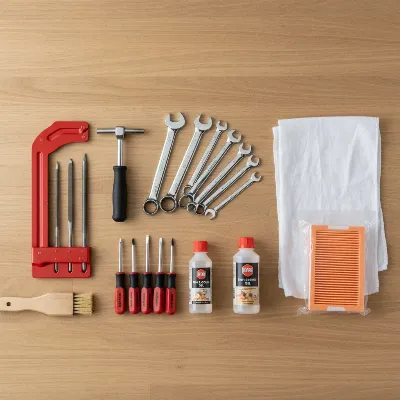 A collection of essential gas chainsaw maintenance tools and supplies laid out on a clean workbench.
Comparing Popular Chainsaw Models
Choosing the right gas chainsaw involves understanding the strengths of different models. Here’s a brief comparison of some popular options, highlighting features relevant to new owners and their overall experience, including maintenance.
| Feature | Husqvarna 455 Rancher | Echo CS-590 Timber Wolf | Remington RM4618 Outlaw | Craftsman S205 | Ryobi RY5020 |
|---|---|---|---|---|---|
| Engine (cc) | 55.5 | 59.8 | 46 | 46 | 50 |
| Bar Length | 20 inches | 20 inches | 18 inches | 20 inches | 20 inches |
| Weight (lbs) | ~12.8 | ~13.2 | ~16.4 | ~17.7 | ~11.3 |
| Key Features | X-Torq engine, Smart Start, LowVib | Professional-grade engine, easy-start | 5-point anti-vibration, auto oiler | Easy start, 5-point anti-vibration | 3-point vibration isolation, tool-less |
| Target Use | All-around homeowner, larger jobs, firewood | Heavy-duty homeowner, landowner, demanding | Mid-range homeowner, felling/limbing | Mid-range homeowner, yard work | General homeowner, maneuverable |
- Husqvarna 455 Rancher: Known for its balance of power, reliability, and user-friendly features, the 455 Rancher is a top choice for property owners tackling various tasks, from storm cleanup to firewood cutting. Its X-Torq engine improves fuel efficiency and reduces emissions, while Smart Start and LowVib technologies enhance usability and comfort.
- Echo CS-590 Timber Wolf: This model is highly regarded for delivering professional performance at a competitive price point. It’s a robust option for those needing serious power for larger jobs without breaking the bank, offering strong cutting capability and durability.
- Remington RM4618 Outlaw: Combining powerful cutting with a focus on user comfort, the Outlaw features a 5-point anti-vibration system and cushioned handles. Its automatic oiling system adds convenience, making it suitable for felling and limbing tasks around the home.
- Craftsman S205: A high-output model, the S205 boasts a durable chassis and an easy-start system. Its 5-point anti-vibration system is praised by users for reducing fatigue during operation, making it a solid choice for homeowners seeking power and comfort.
- Ryobi RY5020: This lightweight yet powerful chainsaw is highly maneuverable, making it suitable for various large jobs. Featuring a 3-point vibration isolation system and metal bucking spikes, it’s designed for efficiency and user comfort, often including a carrying case and a decent warranty.
Chainsaw Buying Guide
Acquiring a new gas chainsaw should be a thoughtful process, aligning your needs with the right equipment. A well-chosen saw is not just a purchase; it’s an investment in efficiency and safety.
Determine Your Needs
Before you even begin looking at models, consider the primary tasks you’ll undertake. Will you be pruning small branches, cutting firewood for the winter, felling large trees, or clearing storm debris? The type of work and its frequency will dictate the necessary bar length, engine power, and overall size of your chainsaw. Overpowering yourself with an excessively large saw or under-equipping with a too-small one can lead to frustration and potential safety hazards.
Budget
Chainsaw prices vary significantly based on brand, power, features, and build quality. While it might be tempting to opt for the cheapest option, remember that quality often correlates with longevity and performance. Allocate a realistic budget that balances initial cost with long-term value, including potential maintenance costs and parts availability. Sometimes, paying a little more upfront for a reputable brand can save you money and headaches in the future.
Research Information
Thorough research is invaluable. Read product reviews from various sources, compare specifications of different models, and watch demonstration videos. Consult with experienced chainsaw users or local forestry professionals for their insights and recommendations. Understanding common feedback on ease of use, reliability, and specific maintenance requirements for different models can significantly inform your decision.
Purchase from Reputable Dealers
Where you buy your chainsaw is almost as important as which chainsaw you buy. Purchasing from authorized dealers or reputable retailers ensures you receive a genuine product, access to valid warranties, and reliable after-sales support. Local dealerships often provide expert advice, professional servicing, and readily available replacement parts, which can be crucial for maintaining your chainsaw throughout its lifespan.
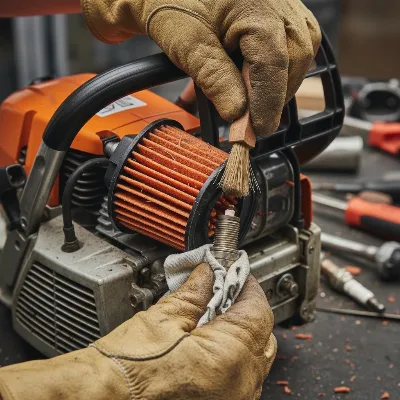 Close-up of a person cleaning a gas chainsaw's air filter and spark plug with appropriate tools.
Essential Tips for Using and Maintaining Your Chainsaw
Proper usage and diligent maintenance are the pillars of safe and efficient chainsaw operation. By adhering to a consistent routine, you can prevent many common issues and significantly extend the life of your gas chainsaw.
Safe Chainsaw Operation
Safety must always be your top priority. Before even thinking about starting your chainsaw, gather and wear appropriate Personal Protective Equipment (PPE), including a hard hat with a face shield and earmuffs, safety glasses, heavy-duty work gloves, chainsaw chaps or trousers, and steel-toed boots. Ensure your work area is clear of people, pets, and obstacles. Never operate a chainsaw alone; always have someone nearby who can assist in an emergency. Maintain a firm grip on the saw with both hands, ensure secure footing, and never cut above shoulder height or overreach. Always perform cuts at high chain speeds to prevent kickback and ensure clean cuts. After use, allow the saw to cool for at least 10 minutes before refueling to prevent fire hazards.
Routine Maintenance Schedule
A consistent maintenance regimen is vital for your gas chainsaw’s health.
- Before Each Use:
- Visual Check: Inspect the entire saw for loose, damaged, or worn parts, including nuts, bolts, and covers.
- Chain Tension: Check the chain tension; it should be snug against the guide bar but still move freely by hand.
- Bar Oil Level: Ensure the bar oil reservoir is full with the manufacturer-recommended oil to lubricate the chain and bar during operation.
- Fuel Level: Fill the fuel tank with fresh, properly mixed gasoline and two-stroke oil according to the manufacturer’s specifications.
- After Each Use:
- Cleaning: Remove the chain and guide bar. Brush off all sawdust, wood chips, and sap from the body, sprocket, chain brake, and especially the guide bar groove. A mild solvent can help with stubborn sap.
- Air Filter: Clean the air filter by tapping it gently or using compressed air. Replace it if it’s heavily soiled or damaged.
- Cooling Fins: Clear any debris from the engine’s cooling fins to prevent overheating.
- Oiler Ports: Ensure the oiler ports are clear so oil can flow freely to the bar and chain.
- Chain & Bar Inspection: Inspect the chain for dullness, damage, or excessive wear. Check the guide bar for burrs or damage.
- Periodic/Deep Maintenance:
- Sharpen Chain: A sharp chain is crucial for efficient and safe cutting. Sharpen it after every few hours of use or whenever cutting performance declines, producing sawdust instead of chips. Using the correct file size and angle is key.
- Spark Plug: Inspect the spark plug for deposits or damage. Clean it with a wire brush or replace it annually, or if the saw experiences starting issues or runs poorly.
- Fuel System: Periodically use a fuel system cleaner to prevent clogs in the carburetor and fuel lines, especially if using older fuel. Replace the fuel filter if it’s blocked.
- Muffler/Spark Arrester: Clean carbon buildup from the muffler and spark arrester screen to ensure proper exhaust flow.
- Fuel Lines: Inspect fuel lines for cracks or leaks and replace them as needed.
- General Tightening: Regularly tighten all nuts and bolts on the chainsaw, as vibrations can cause them to loosen over time.
Common Issues and Troubleshooting
Even with diligent maintenance, issues can arise. Knowing how to diagnose and address common problems can save you time and costly repairs.
- Chainsaw Won’t Start: This is often due to old or improperly mixed fuel, a dirty or worn spark plug, a clogged air or fuel filter, an incorrectly set choke, or a flooded engine. Drain old fuel, clean/replace the spark plug and filters, and ensure the choke is correctly engaged for a cold start. If flooded, remove the spark plug and allow the engine to dry.
- Chainsaw Runs Rough or Stalls: This can be caused by a dirty air or fuel filter restricting airflow/fuel delivery, incorrect carburetor settings, carbon buildup in the exhaust, or the engine overheating. Clean filters, adjust the carburetor if you’re experienced (otherwise, consult a professional), clear exhaust blockages, and ensure adequate bar oil and cool-down periods.
- Chainsaw Chain Issues: If the chain won’t cut, cuts poorly, or produces dust instead of chips, it’s likely dull and needs sharpening or replacement. If the chain slips off the bar or feels slack, the tension is too loose and needs adjustment. A chain jumping off the bar can also indicate a worn guide bar or sprocket. Insufficient bar oil can cause the chain to overheat and wear quickly, so check the reservoir and clear oiler ports.
- Chainsaw Produces Smoke or Excessive Exhaust: Blue smoke often indicates too much oil in the fuel mixture, while black smoke can point to a dirty air filter or poor engine tuning. Always use the manufacturer-recommended fuel/oil ratio and clean your air filter regularly.
Most Popular Chainsaw Products Today
The gas chainsaw market offers robust options for every need. Here are some of the most highly-regarded models favored by homeowners and professionals alike for their balance of power, durability, and features.
- Husqvarna 455 Rancher: This 20-inch, 55.5cc chainsaw is a perennial favorite for its powerful X-Torq engine, which delivers fuel efficiency and reduced emissions. Its Smart Start technology makes starting easier, and the LowVib system provides comfort during extended use. It’s a versatile choice for larger property maintenance, firewood, and felling small to medium trees, with excellent parts availability through its strong dealer network.
- Echo CS-590 Timber Wolf: Known for its professional-grade performance and strong value, the 20-inch, 59.8cc Timber Wolf is a go-to for heavy-duty tasks. It offers robust power for felling and bucking larger timber, and its durable construction is built to last. Many users appreciate its easy-start system and reliability, making it a solid investment for landowners.
- Stihl MS 271 Farm Boss: While not explicitly in the “homeowner” category, the 50.2cc Farm Boss is a robust all-around saw popular among those with more demanding needs. It’s renowned for its powerful engine, impressive fuel efficiency, and anti-vibration system. Stihl chainsaws are known for their engineering refinement and build quality, offering longevity and performance that justify their price.
“A well-maintained chainsaw is a safe chainsaw. Neglecting routine checks can turn a powerful tool into a dangerous liability.” – John Doe, Master Chainsaw Technician, ReviewsThis.com
Conclusion
Owning a gas chainsaw is a rewarding experience, providing the power and efficiency to tackle challenging outdoor tasks. However, this power demands respect, especially through consistent maintenance and safe operating practices. By understanding the different types of chainsaws, the factors influencing your purchase, and critically, implementing a rigorous routine of pre-use checks, post-use cleaning, and periodic deep maintenance, you can ensure your chainsaw remains a reliable and safe partner for years to come. From keeping the chain razor-sharp to ensuring the engine breathes clean air and runs on the proper fuel, every maintenance step contributes to optimal performance and your peace of mind. Are you ready to embrace the full responsibility of chainsaw ownership and truly master your machine?
Frequently Asked Questions
How often should I sharpen my chainsaw chain?
You should sharpen your chainsaw chain after every few hours of use, or whenever you notice a decline in cutting performance, such as when the saw produces sawdust instead of clean wood chips. A dull chain makes the saw work harder, is less safe, and can damage the engine and guide bar.
What kind of fuel should I use for my gas chainsaw?
Gas chainsaws typically require a specific mixture of unleaded gasoline and two-stroke engine oil. Always refer to your chainsaw’s owner’s manual for the exact fuel-to-oil ratio and the recommended type of two-stroke oil, as using the wrong mixture can severely damage the engine.
Why is my chainsaw chain not getting oil?
If your chainsaw chain isn’t receiving oil, common culprits include a clogged oiler port, an empty bar oil reservoir, or a malfunctioning oil pump. Ensure the reservoir is full, clean the oiler ports and guide bar groove of any debris, and check for any blockages in the oil lines.
Can I use car engine oil in my chainsaw?
No, you should never use car engine oil in your chainsaw. Chainsaws require specialized bar and chain oil for lubricating the chain and guide bar, which has properties designed to resist sling-off and stick to the chain. For the engine, a specific two-stroke oil must be mixed with gasoline, as it’s designed to burn cleanly with the fuel.
How do I store my gas chainsaw for the off-season?
For off-season storage, first, clean the chainsaw thoroughly. Then, drain all fuel from the tank and run the engine until it stalls to clear the carburetor. Remove the spark plug, add a small amount of two-stroke oil into the cylinder, and pull the starter rope a few times to distribute it. Store the chainsaw in a dry, cool place with the chain and guide bar removed and oiled.
