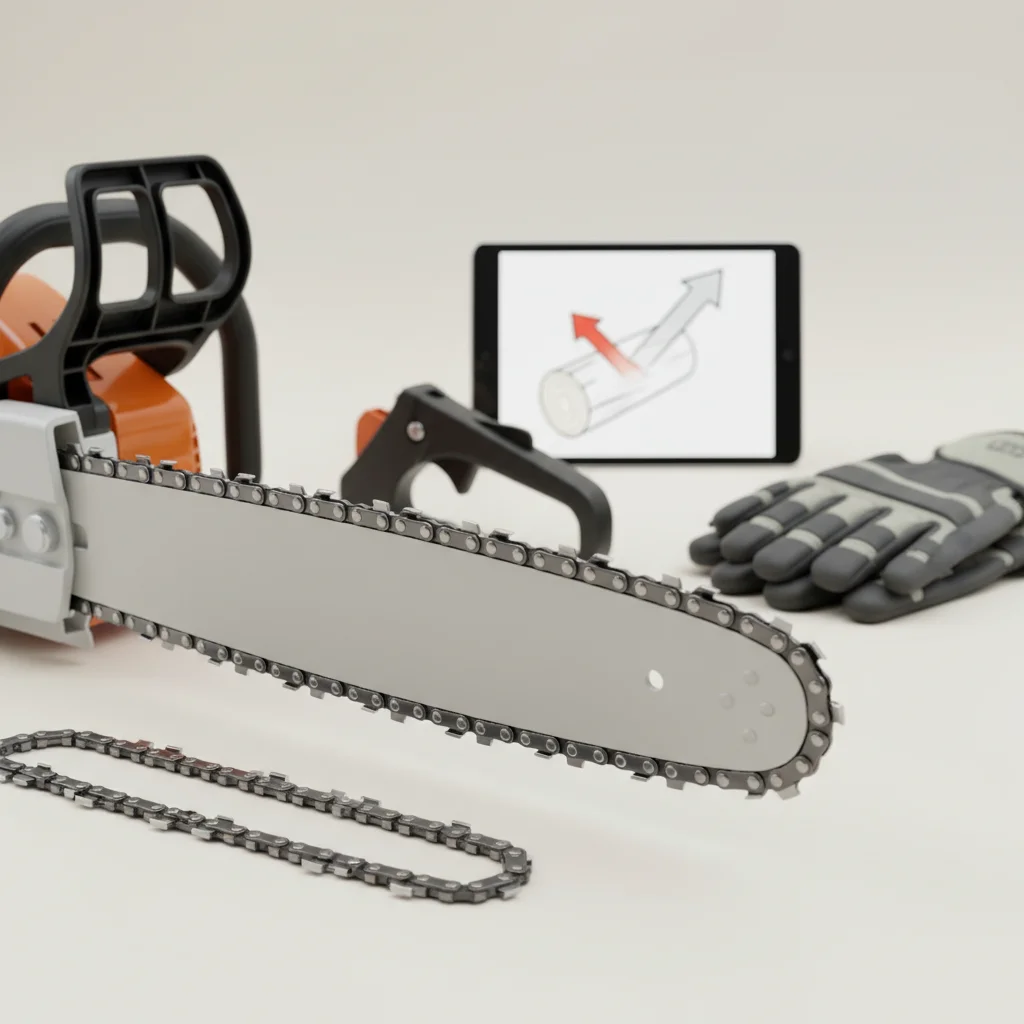
Chainsaw kickback is a dangerous and common occurrence that can lead to serious injury if not properly understood and prevented. It happens when the moving chain at the tip of the guide bar strikes an object or gets pinched, causing the saw to suddenly and violently thrust backward and upward towards the operator. Understanding the causes and implementing specific safety measures can significantly reduce your risk of experiencing kickback, ensuring a safer cutting experience.
Understanding Chainsaw Kickback
Chainsaw kickback is primarily caused by two scenarios: rotational kickback and pinch kickback. Rotational kickback occurs when the upper quadrant of the guide bar tip (the kickback zone) contacts a solid object. This contact can cause the chain to grab and propel the saw in an arc towards the user. Pinch kickback, on the other hand, happens when the wood closes in and pinches the chain in the cut, or when the chain gets caught on an object, causing the saw to be thrown back.
Both types of kickback can be extremely forceful and unexpected, making it crucial for operators to be constantly aware of their saw’s position and the surrounding environment. The speed and power of modern chainsaws mean that a kickback incident can occur in a fraction of a second, leaving little time to react.
Essential Safety Features to Look For
Modern chainsaws are equipped with several safety features designed to mitigate the risk of kickback. A crucial feature is the chain brake, which is designed to stop the chain’s rotation almost instantly in the event of kickback. Look for models with an inertia-activated chain brake, as these can engage automatically when the saw experiences a sudden upward thrust. Another important feature is a low-kickback chain and guide bar combination. These are specifically designed to reduce the likelihood of kickback by altering the chain’s cutting action and the bar’s profile.
Additionally, some chainsaws feature anti-vibration systems that, while not directly preventing kickback, can reduce operator fatigue, allowing for better control and awareness during operation. Always ensure these safety features are in good working order before each use.
Proper Cutting Techniques to Avoid Kickback
|
Our Picks for the Best Chain Saw in 2026
As an Amazon Associate I earn from qualifying purchases.
|
||
| Num | Product | Action |
|---|---|---|
| 1 | Makita XCU03PT1 18V X2 (36V) LXT Lithium-Ion Brushless Cordless 14" Chain Saw Kit with, 4 Batteries (5.0Ah) |

|
| 2 | Greenworks 24V 12" Brushless Cordless Compact Chainsaw (Great For Storm Clean-Up, Pruning, and Firewood / 125+ Compatible Tools), Tool Only |
|
| 3 | Gas Chainsaw 62CC 20 Inch Professional Powerful 2-Stroke Engine for Tree Cutting, Logging and Firewood with Chain Brake |
|
| 4 | STIHL Battery Operated Chainsaw with Sound Kids Toy |
|
| 5 | Husqvarna 450 Rancher 20 Inch Gas Chainsaw, 50.2-cc 3.2-HP, 2-Cycle X-Torq Engine, For Tree Pruning, Yard Cleanups and Firewood Cutting, 970613120 |
|
| 6 | Greenworks 80V 16" Brushless Cordless Chainsaw (Great For Tree Felling, Limbing, Pruning, and Firewood / 75+ Compatible Tools), Tool Only |
|
| 7 | Makita-UC4051A Chain Saw, Electric, 16 in. Bar - Sliver |
|
| 8 | Greenworks 24V 10" Cordless Compact Chainsaw (Great For Storm Clean-Up, Pruning, and Firewood), 2.0Ah Battery and Charger Included |
|
| 9 | Stihl GTA 26 Wood Cutter with AS 2 Battery and Charger AL 1, Battery Operated |
|
| 10 | Oregon 3-Pack Chainsaw Chain 3/8" LP Pitch, .050" (1.3 mm) Gauge for 18" (45cm) Bar, 62 Drive Links – Low-kickback Replacement Saw Chain, Fits Husqvarna, Echo, Poulan, Homelite, Craftsman and more |
|
Employing correct cutting techniques is paramount in preventing chainsaw kickback. Always maintain a firm grip on both handles of the chainsaw, with your thumbs wrapped around the handles for maximum control. Position your body to the side of the cutting path, never directly behind the saw, to minimize exposure if kickback occurs. When starting a cut, ensure the lower part of the guide bar is used, as this pulls the saw into the wood, rather than pushing it away. Avoid cutting with the tip of the guide bar, especially the upper quadrant, which is the primary kickback zone.
Always be aware of potential obstructions in the wood, such as knots, nails, or other debris, which can trigger kickback. Plan your cuts carefully, considering the natural tension and compression in the wood, especially when felling trees or bucking logs. Never cut above shoulder height, as this significantly reduces your control over the saw.
Maintaining Your Chainsaw for Safety
Regular maintenance plays a vital role in preventing kickback. A dull chain is more prone to grabbing and causing kickback than a sharp one. Ensure your chain is always sharp and properly tensioned according to the manufacturer’s specifications. A loose chain can derail and cause unexpected movements, while an overly tight chain can lead to premature wear and potential binding. Regularly inspect your guide bar for wear, burrs, or damage, as an uneven bar can also contribute to kickback.
Keep your chainsaw clean, especially the chain brake mechanism, to ensure it functions correctly when needed. Following the manufacturer’s maintenance schedule will help keep all components in optimal working condition, reducing the risk of accidents.
- Always wear appropriate personal protective equipment (PPE), including a helmet, eye protection, hearing protection, gloves, and chainsaw chaps.
- Ensure a clear work area free of obstacles and bystanders.
- Never operate a chainsaw when fatigued or under the influence of substances.
- Familiarize yourself with your chainsaw’s manual and all its safety features.
- Practice safe starting procedures, ensuring the chain brake is engaged.
Choosing the Right Chainsaw for Kickback Prevention
When purchasing a chainsaw, consider models that prioritize safety features. Look for saws with a low-kickback chain and guide bar, a responsive chain brake, and good ergonomic design that allows for comfortable and controlled operation. For beginners or those who only use a chainsaw occasionally, smaller, less powerful models with enhanced safety features might be a better choice. Always read reviews and compare safety specifications before making a purchase.
Investing in a high-quality chainsaw with robust safety features is an investment in your personal safety. Don’t compromise on safety for the sake of a lower price.Many reputable brands offer excellent options designed with user safety in mind.Consult with experienced users or retailers to find the best chainsaw that meets your needs while prioritizing kickback prevention.

Excellent read! I’ve been using chainsaws for years, but the way this explained the ‘kickback zone’ and how it propels the saw back was really clear. It’s easy to get complacent, but this was a good reminder to always be vigilant and use proper technique. My cutting experience will definitely be safer after reading this.
This guide on preventing kickback was super helpful. I’ve had a few close calls with my old Stihl and always wondered exactly what was happening. The explanation of rotational kickback and how the upper quadrant of the guide bar tip causes it really clicked for me. Definitely going to be more mindful of my cutting angles from now on.
While the information on understanding chainsaw kickback was solid, I was hoping for a bit more detail on specific safety gear beyond just general advice. My Husqvarna has some good safety features, but I’m always looking for ways to add extra protection. It’s a good starting point, but could use more actionable product recommendations.
Good breakdown of the different types of kickback. I’ve mostly dealt with pinch kickback when felling smaller trees, and it’s always a jolt. The tips on how to avoid it are practical and easy to implement. I appreciate the focus on safety, it’s something you can’t be too careful about with these powerful tools.