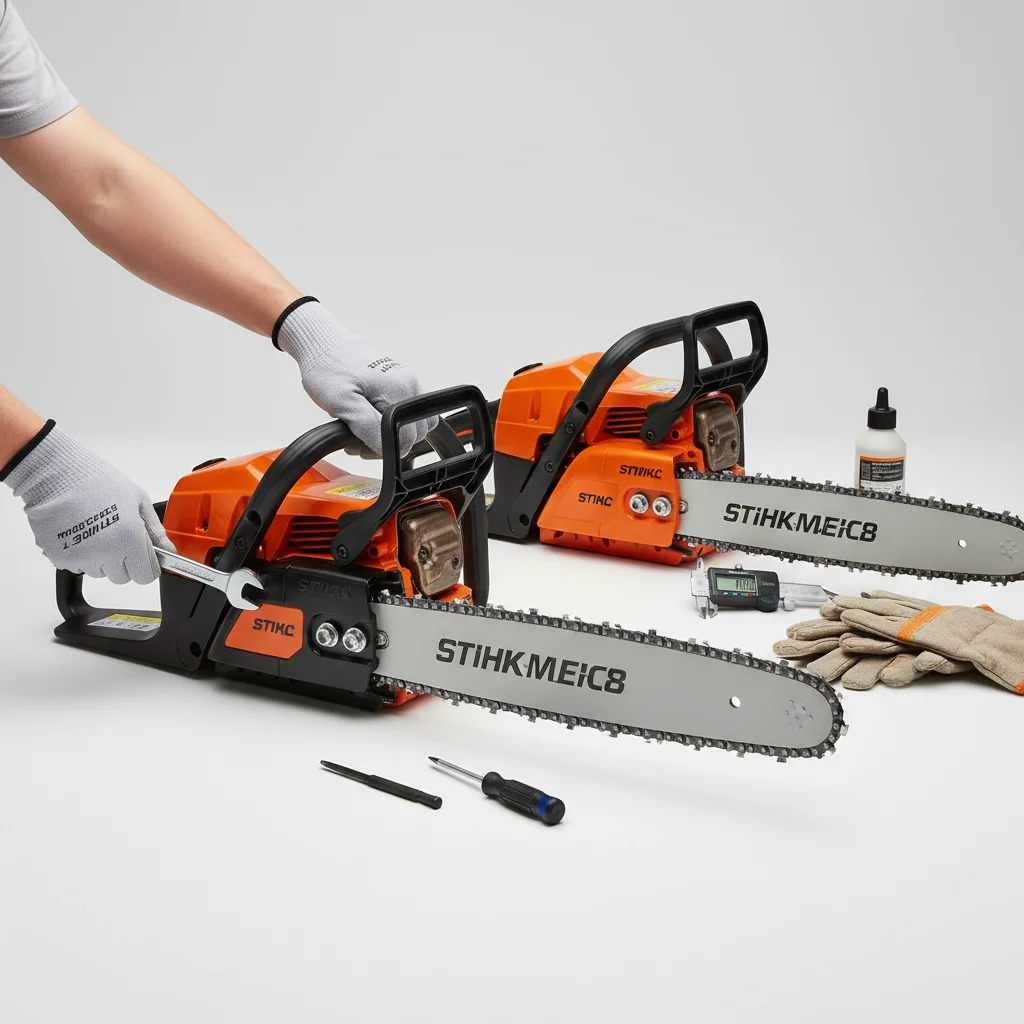
Proper chainsaw chain tension is crucial for both safety and performance. A chain that is too loose can derail, causing serious injury, while a chain that is too tight can lead to premature wear on the bar and sprocket, and even damage the saw’s engine. The ideal tension allows the chain to be pulled freely around the bar by hand, but without any sag on the underside of the bar. You should be able to lift the drive links slightly, but not enough to expose the drive tangs from the bar groove.
Why Correct Chain Tension Matters for Your Chainsaw
Maintaining the correct tension on your chainsaw chain is not just about cutting efficiency; it’s a critical safety measure. A loose chain can easily jump off the guide bar during operation, potentially striking the user or bystanders. This can also cause damage to the saw itself, bending the guide bar or breaking the chain. Conversely, an overly tight chain creates excessive friction and heat, which can warp the guide bar, wear out the sprocket nose, and put undue strain on the engine, leading to costly repairs and a shortened lifespan for your chainsaw.
Step-by-Step Guide to Adjusting Chainsaw Chain Tension
Adjusting your chainsaw chain tension is a straightforward process that should be performed regularly, especially when the saw is new or after extended use. First, ensure the chainsaw is turned off and the chain brake is engaged for safety. Loosen the bar nuts that hold the guide bar in place, but do not remove them completely. Next, locate the tensioning screw, usually found on the side of the saw near the guide bar. Turn the tensioning screw clockwise to tighten the chain or counter-clockwise to loosen it. As you adjust, lift the tip of the guide bar slightly to ensure even tension along the entire chain.
- Always wear heavy-duty work gloves when handling the chain.
- Check tension frequently, especially during the first few hours of a new chain’s use.
- Ensure the chain moves freely around the bar without binding.
- Never overtighten the chain; a slight give is necessary.
- Refer to your chainsaw’s owner’s manual for specific tensioning recommendations.
Recognizing Signs of Incorrect Chainsaw Chain Tension
|
Our Picks for the Best Chain Saw in 2026
As an Amazon Associate I earn from qualifying purchases.
|
||
| Num | Product | Action |
|---|---|---|
| 1 | Greenworks 24V 10" Cordless Compact Chainsaw (Great For Storm Clean-Up, Pruning, and Firewood), 2.0Ah Battery and Charger Included |

|
| 2 | Gas Chainsaw 62CC 20 Inch Professional Powerful 2-Stroke Engine for Tree Cutting, Logging and Firewood with Chain Brake |
|
| 3 | Greenworks 24V 12" Brushless Cordless Compact Chainsaw (Great For Storm Clean-Up, Pruning, and Firewood / 125+ Compatible Tools), Tool Only |
|
| 4 | Greenworks 80V 16" Brushless Cordless Chainsaw (Great For Tree Felling, Limbing, Pruning, and Firewood / 75+ Compatible Tools), Tool Only |
|
| 5 | Makita XCU03PT1 18V X2 (36V) LXT Lithium-Ion Brushless Cordless 14" Chain Saw Kit with, 4 Batteries (5.0Ah) |
|
| 6 | Oregon 3-Pack Chainsaw Chain 3/8" LP Pitch, .050" (1.3 mm) Gauge for 18" (45cm) Bar, 62 Drive Links – Low-kickback Replacement Saw Chain, Fits Husqvarna, Echo, Poulan, Homelite, Craftsman and more |
|
| 7 | Makita-UC4051A Chain Saw, Electric, 16 in. Bar - Sliver |
|
| 8 | Stihl GTA 26 Wood Cutter with AS 2 Battery and Charger AL 1, Battery Operated |
|
| 9 | STIHL Battery Operated Chainsaw with Sound Kids Toy |
|
| 10 | Husqvarna 450 Rancher 20 Inch Gas Chainsaw, 50.2-cc 3.2-HP, 2-Cycle X-Torq Engine, For Tree Pruning, Yard Cleanups and Firewood Cutting, 970613120 |
|
There are several clear indicators that your chainsaw chain tension is off. If the chain sags noticeably on the underside of the guide bar, it’s too loose. You might also hear a rattling sound during operation, or the chain may jump out of the bar groove. On the other hand, if the chain is too tight, it will be difficult to pull around the bar by hand, and you might notice smoke coming from the bar and chain even when cutting soft wood. The saw’s engine may also struggle or bog down more easily, and the guide bar might feel excessively hot to the touch. Addressing these signs promptly can prevent damage and ensure safe operation.
Tips for Maintaining Optimal Chainsaw Chain Tension
Beyond regular adjustments, a few practices can help maintain optimal chain tension. Always allow a new chain to run for a few minutes and then recheck its tension, as new chains often stretch. Check the tension before each use and periodically during longer cutting sessions, as the chain can expand and contract with heat. Keep your guide bar clean and free of sawdust and debris, as build-up can interfere with proper chain movement. Using the correct bar oil also reduces friction and heat, contributing to more stable chain tension.Investing in a quality chainsaw with an easy-to-use tensioning system can also simplify this maintenance task.

Good info here, especially about how overtightening can damage the bar and sprocket. I’ve definitely been guilty of that in the past, thinking tighter was better. However, I found it a little hard to visualize the ‘lift the drive links slightly’ part without a diagram. Still, it’s a good reminder to check tension often.
This guide on chainsaw chain tension was super helpful. I always just eyeballed it before, but understanding that ‘no sag on the underside’ rule really made a difference. My saw feels much safer and cuts way smoother now. Definitely a must-read for anyone who uses a chainsaw regularly.
Finally, a clear explanation of why correct chain tension matters beyond just cutting efficiency. The point about premature wear on the bar and sprocket from a too-tight chain really hit home. I’ve been replacing parts more often than I should, and now I know why. Great advice that will save me money and keep my saw running longer.
I appreciate the detailed explanation about how a loose chain can derail and cause injury. It’s something I’ve worried about, and now I feel more confident checking it myself. My only minor complaint is that I wish there was a quick reference chart for different saw sizes, but the general advice is solid.