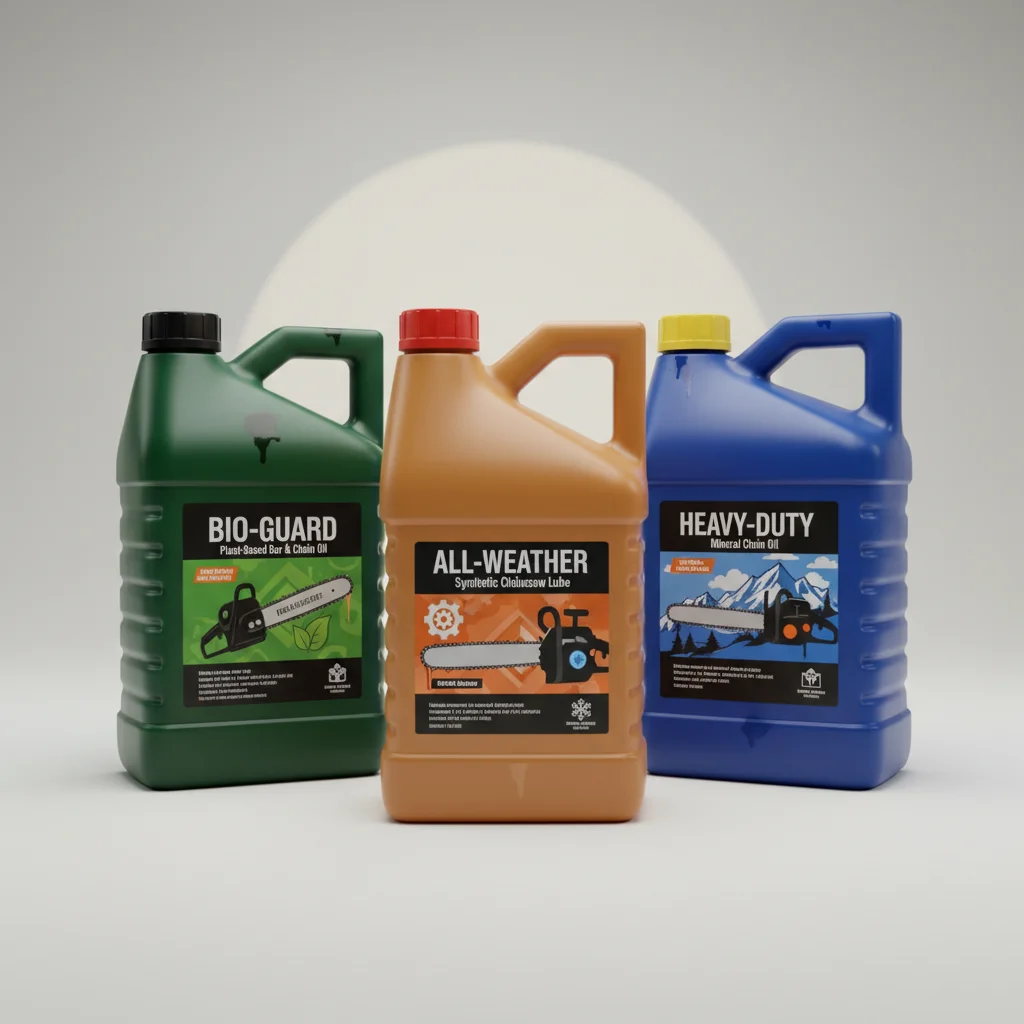
Choosing the right chainsaw chain oil is crucial for the longevity and performance of your saw. The best types of chainsaw chain oil are specifically formulated to provide superior lubrication, adhesion, and protection against wear and tear. These specialized oils ensure your chain and bar operate smoothly, reducing friction and heat buildup, which can significantly extend the life of your equipment.
Understanding Chainsaw Chain Oil Viscosity
Viscosity is a key factor when selecting chainsaw chain oil. This refers to the oil’s resistance to flow. A higher viscosity oil is thicker and adheres better to the chain and bar, especially in warmer temperatures, preventing it from slinging off too quickly. Conversely, a lower viscosity oil is thinner and flows more easily, which is beneficial in colder climates to ensure proper lubrication without becoming too sluggish. Most manufacturers recommend a medium-viscosity oil for general use, but adjusting based on ambient temperature is a smart practice.
Petroleum-Based vs. Biodegradable Chain Oils
Chainsaw chain oils primarily come in two main categories: petroleum-based and biodegradable. Petroleum-based oils are the traditional choice, offering excellent lubrication and durability at a lower cost. They are widely available and effective for most cutting tasks. However, biodegradable chain oils are gaining popularity due to their environmental benefits. These oils are formulated from vegetable or synthetic esters and break down naturally, making them ideal for use in sensitive ecosystems or for users concerned about their environmental footprint. While often slightly more expensive, their eco-friendly nature is a significant advantage.
Key Additives and Their Benefits
|
Our Picks for the Best Chain Saw in 2026
As an Amazon Associate I earn from qualifying purchases.
|
||
| Num | Product | Action |
|---|---|---|
| 1 | Stihl GTA 26 Wood Cutter with AS 2 Battery and Charger AL 1, Battery Operated |

|
| 2 | Makita XCU03PT1 18V X2 (36V) LXT Lithium-Ion Brushless Cordless 14" Chain Saw Kit with, 4 Batteries (5.0Ah) |
|
| 3 | Greenworks 80V 16" Brushless Cordless Chainsaw (Great For Tree Felling, Limbing, Pruning, and Firewood / 75+ Compatible Tools), Tool Only |
|
| 4 | Makita-UC4051A Chain Saw, Electric, 16 in. Bar - Sliver |
|
| 5 | Oregon 3-Pack Chainsaw Chain 3/8" LP Pitch, .050" (1.3 mm) Gauge for 18" (45cm) Bar, 62 Drive Links – Low-kickback Replacement Saw Chain, Fits Husqvarna, Echo, Poulan, Homelite, Craftsman and more |
|
| 6 | Greenworks 24V 12" Brushless Cordless Compact Chainsaw (Great For Storm Clean-Up, Pruning, and Firewood / 125+ Compatible Tools), Tool Only |
|
| 7 | Greenworks 24V 10" Cordless Compact Chainsaw (Great For Storm Clean-Up, Pruning, and Firewood), 2.0Ah Battery and Charger Included |
|
| 8 | STIHL Battery Operated Chainsaw with Sound Kids Toy |
|
| 9 | Husqvarna 450 Rancher 20 Inch Gas Chainsaw, 50.2-cc 3.2-HP, 2-Cycle X-Torq Engine, For Tree Pruning, Yard Cleanups and Firewood Cutting, 970613120 |
|
| 10 | Gas Chainsaw 62CC 20 Inch Professional Powerful 2-Stroke Engine for Tree Cutting, Logging and Firewood with Chain Brake |
|
Modern chainsaw chain oils often include various additives designed to enhance performance and protection. Anti-wear additives help to reduce friction and extend the life of the chain and bar, especially during heavy use. Tackifiers are crucial for ensuring the oil sticks to the chain, minimizing sling-off and maximizing lubrication. Anti-corrosion agents protect metal components from rust and oxidation, which is particularly important for saws stored in humid conditions. Detergents can also be included to help keep the oil system clean and prevent buildup.
When to Choose Specialty Chain Oils
For specific applications, specialty chain oils can offer superior performance. For instance, some oils are formulated with extreme pressure additives for heavy-duty cutting or milling operations, where the chain experiences intense stress. Winter-grade chain oils are designed to maintain their fluidity in freezing temperatures, preventing the oil from thickening and ensuring consistent lubrication. Conversely, summer-grade oils are thicker to resist thinning in high heat. Always consult your chainsaw’s owner’s manual for specific recommendations, especially if you operate in extreme conditions.
- Always check your chainsaw’s manual for recommended oil types.
- Adjust oil viscosity based on ambient temperature for optimal performance.
- Consider biodegradable options for environmentally sensitive areas.
- Regularly inspect your oil reservoir and refill before each use.
- Never use motor oil or waste oil as a substitute for proper chain oil.
Maintaining Your Chainsaw’s Oiling System
Proper maintenance of your chainsaw’s oiling system is just as important as choosing the right oil. Regularly clean the oil port and guide bar groove to ensure a clear path for the oil to reach the chain. Check the oiler’s output periodically to confirm it’s dispensing oil correctly. A clogged oiler or an improperly adjusted oil pump can lead to premature wear of the chain and bar, regardless of the quality of oil you use. Keeping the system clean and functional will maximize the effectiveness of your chosen chain oil.Investing in a high-quality chain oil is a small cost compared to replacing worn-out chains and bars.
