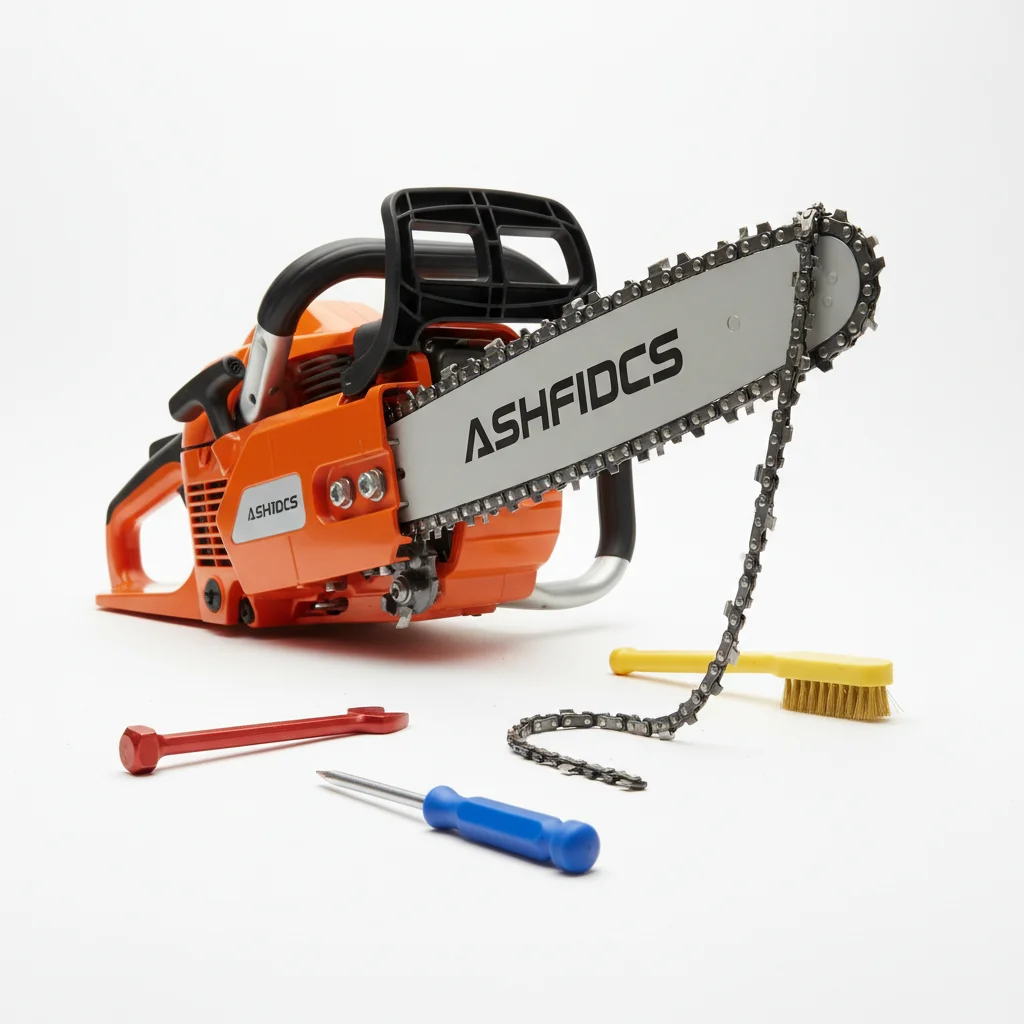
If your chainsaw chain keeps falling off, it’s a common and frustrating issue that can usually be resolved with three quick fixes: adjusting the chain tension, inspecting the guide bar for wear, and checking the drive sprocket. Addressing these key components will help ensure your chainsaw operates safely and efficiently.
Adjusting Chainsaw Chain Tension Correctly
The most frequent reason a chainsaw chain falls off is incorrect tension. A chain that is too loose will easily derail from the guide bar. To properly tension your chainsaw chain, first ensure the saw is off and cool. Loosen the bar nuts slightly, then use the tensioning screw (usually located on the side of the saw or near the bar) to adjust the chain. The chain should be snug against the guide bar, but still able to be pulled around the bar by hand without excessive force. A good rule of thumb is that you should be able to pull the chain up slightly, just enough to see the bottom of the drive links, but no more than about 1/8 to 1/4 inch. Once tensioned, retighten the bar nuts securely. Always recheck tension after the first few cuts, as new chains can stretch. For more chainsaw sales guides on this site.
Inspecting the Guide Bar for Wear and Damage
A worn or damaged guide bar can also cause the chainsaw chain to repeatedly come off. Over time, the rails of the guide bar can become grooved or burred, preventing the chain from seating properly. Inspect the guide bar for any signs of wear, such as uneven rails, burrs along the edges, or a widened groove. You can use a flat file to remove any burrs from the edges of the bar. If the rails are significantly worn or the tip of the bar is damaged, it’s likely time to replace the guide bar. A new, properly maintained guide bar provides a stable track for the chain, significantly reducing the chance of derailment.
Checking the Drive Sprocket for Wear
|
Our Picks for the Best Chain Saw in 2026
As an Amazon Associate I earn from qualifying purchases.
|
||
| Num | Product | Action |
|---|---|---|
| 1 | Greenworks 80V 16" Brushless Cordless Chainsaw (Great For Tree Felling, Limbing, Pruning, and Firewood / 75+ Compatible Tools), Tool Only |

|
| 2 | Greenworks 24V 10" Cordless Compact Chainsaw (Great For Storm Clean-Up, Pruning, and Firewood), 2.0Ah Battery and Charger Included |
|
| 3 | Stihl GTA 26 Wood Cutter with AS 2 Battery and Charger AL 1, Battery Operated |
|
| 4 | Greenworks 24V 12" Brushless Cordless Compact Chainsaw (Great For Storm Clean-Up, Pruning, and Firewood / 125+ Compatible Tools), Tool Only |
|
| 5 | Oregon 3-Pack Chainsaw Chain 3/8" LP Pitch, .050" (1.3 mm) Gauge for 18" (45cm) Bar, 62 Drive Links – Low-kickback Replacement Saw Chain, Fits Husqvarna, Echo, Poulan, Homelite, Craftsman and more |
|
| 6 | Husqvarna 450 Rancher 20 Inch Gas Chainsaw, 50.2-cc 3.2-HP, 2-Cycle X-Torq Engine, For Tree Pruning, Yard Cleanups and Firewood Cutting, 970613120 |
|
| 7 | Makita XCU03PT1 18V X2 (36V) LXT Lithium-Ion Brushless Cordless 14" Chain Saw Kit with, 4 Batteries (5.0Ah) |
|
| 8 | STIHL Battery Operated Chainsaw with Sound Kids Toy |
|
| 9 | Gas Chainsaw 62CC 20 Inch Professional Powerful 2-Stroke Engine for Tree Cutting, Logging and Firewood with Chain Brake |
|
| 10 | Makita-UC4051A Chain Saw, Electric, 16 in. Bar - Sliver |
|
The drive sprocket is a crucial component that engages with the chain’s drive links to pull it around the guide bar. If the drive sprocket is worn, it won’t properly grip the chain, leading to slippage and derailment. Inspect the teeth of the drive sprocket for signs of wear, such as hooked or pointed teeth, or a visibly reduced diameter compared to a new sprocket. Worn sprockets can also cause excessive vibration and poor cutting performance. Replacing a worn drive sprocket is a relatively straightforward task, often done when replacing the chain or guide bar. Ensure you use a sprocket that matches your chainsaw model and chain pitch for optimal performance and safety.
Other Factors Contributing to Chain Derailment
While tension, guide bar, and sprocket are the primary culprits, other factors can contribute to a chain falling off. These include using the wrong chain for your guide bar and sprocket, cutting with a dull chain, or improper cutting techniques. Always ensure your chain matches the pitch and gauge of your guide bar and sprocket. A dull chain requires more force to cut, increasing the likelihood of the chain binding and derailing. Additionally, twisting the chainsaw during a cut or applying excessive side pressure can force the chain off its track. Proper technique involves letting the saw do the work and maintaining a straight cutting line.
- Ensure chain pitch and gauge match guide bar and sprocket.
- Sharpen your chainsaw chain regularly to prevent binding.
- Avoid twisting the saw or applying excessive side pressure during cuts.
- Clean the guide bar groove and sprocket area frequently to remove debris.
- Always wear appropriate safety gear when operating a chainsaw.
