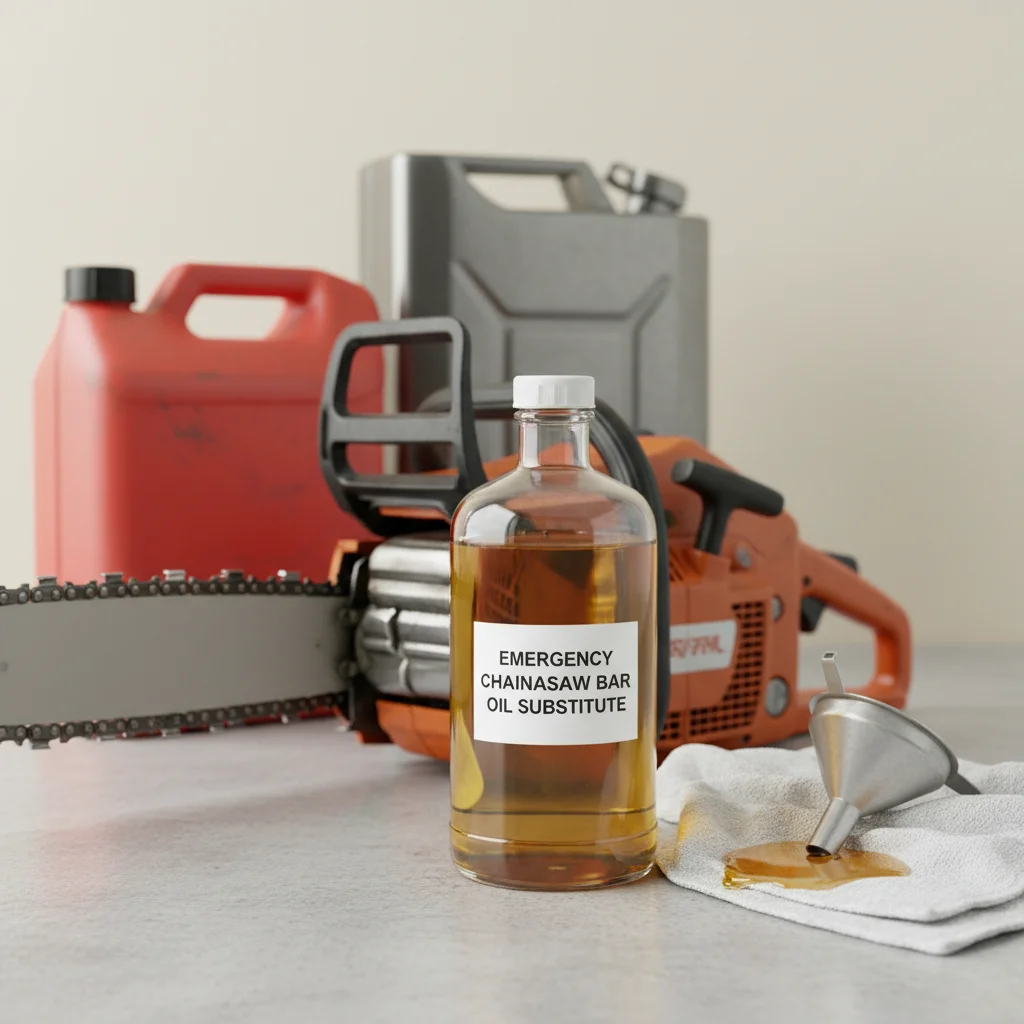
Running out of chainsaw bar oil in the middle of a job can be frustrating, but there are several effective substitutes you can use in a pinch to keep your chainsaw running smoothly and prevent damage. The best temporary alternatives include motor oil, vegetable oil, and hydraulic fluid. While these options can get you through a task, it’s crucial to replace them with proper chainsaw bar oil as soon as possible for optimal performance and longevity of your equipment.
Understanding Chainsaw Bar Oil’s Role
Chainsaw bar oil is specifically formulated to lubricate the chain and guide bar, reducing friction and heat generated during cutting. This lubrication is vital for preventing premature wear on both the chain and the bar, ensuring smooth operation, and extending the life of these critical components. Without adequate lubrication, the chain can bind, overheat, and even seize, leading to costly repairs or replacements.
Motor Oil as a Temporary Substitute
One of the most common and readily available substitutes for chainsaw bar oil is motor oil. Both new and used motor oil can be used, though new motor oil is always preferable to avoid introducing contaminants. A 30-weight motor oil is often recommended due to its viscosity, which is similar to many bar oils. While motor oil provides decent lubrication, it typically lacks the tackiness of dedicated bar oil, meaning it might sling off the chain more quickly. This necessitates more frequent application or monitoring to ensure continuous lubrication.
Vegetable Oil for Eco-Friendly Options
For those concerned about environmental impact, especially when working near gardens or water sources, vegetable oil can serve as a surprisingly effective temporary substitute. Canola oil or soybean oil are good choices. They are biodegradable and non-toxic, making them a safer option for the environment. However, vegetable oils tend to be thinner than bar oil and may not provide the same level of heavy-duty lubrication, especially in very cold temperatures where they can thicken. They also have a lower flash point, which is generally not an issue for short-term use but something to be aware of.
Hydraulic Fluid: A Specialized Alternative
|
Our Picks for the Best Chain Saw in 2026
As an Amazon Associate I earn from qualifying purchases.
|
||
| Num | Product | Action |
|---|---|---|
| 1 | Greenworks 24V 10" Cordless Compact Chainsaw (Great For Storm Clean-Up, Pruning, and Firewood), 2.0Ah Battery and Charger Included |

|
| 2 | Greenworks 24V 12" Brushless Cordless Compact Chainsaw (Great For Storm Clean-Up, Pruning, and Firewood / 125+ Compatible Tools), Tool Only |
|
| 3 | Makita-UC4051A Chain Saw, Electric, 16 in. Bar - Sliver |
|
| 4 | Oregon 3-Pack Chainsaw Chain 3/8" LP Pitch, .050" (1.3 mm) Gauge for 18" (45cm) Bar, 62 Drive Links – Low-kickback Replacement Saw Chain, Fits Husqvarna, Echo, Poulan, Homelite, Craftsman and more |
|
| 5 | Stihl GTA 26 Wood Cutter with AS 2 Battery and Charger AL 1, Battery Operated |
|
| 6 | Husqvarna 450 Rancher 20 Inch Gas Chainsaw, 50.2-cc 3.2-HP, 2-Cycle X-Torq Engine, For Tree Pruning, Yard Cleanups and Firewood Cutting, 970613120 |
|
| 7 | Gas Chainsaw 62CC 20 Inch Professional Powerful 2-Stroke Engine for Tree Cutting, Logging and Firewood with Chain Brake |
|
| 8 | Makita XCU03PT1 18V X2 (36V) LXT Lithium-Ion Brushless Cordless 14" Chain Saw Kit with, 4 Batteries (5.0Ah) |
|
| 9 | Greenworks 80V 16" Brushless Cordless Chainsaw (Great For Tree Felling, Limbing, Pruning, and Firewood / 75+ Compatible Tools), Tool Only |
|
| 10 | STIHL Battery Operated Chainsaw with Sound Kids Toy |
|
Hydraulic fluid, if you happen to have it on hand, can also be used as a chainsaw bar oil substitute. It is designed for lubrication under high pressure and can offer good protection against wear. Like motor oil, hydraulic fluid may not have the same tackiness as bar oil, so it might be consumed more quickly. Ensure you are using a clean, appropriate grade of hydraulic fluid to avoid any adverse effects on your chainsaw’s oiling system.
Other Less Ideal Options and What to Avoid
While the above options are the most viable, some people consider other fluids. Gear oil can work but is often too thick, especially in colder weather, which can strain the oil pump. Transmission fluid is another possibility, but it’s generally thinner than ideal and may not provide sufficient lubrication for extended use. What you should absolutely avoid are fluids like waste oil from cooking, brake fluid, or any solvent-based liquids. These can damage your chainsaw’s components, clog the oiling system, or pose significant safety risks.
- Always prioritize proper chainsaw bar oil for long-term use.
- Monitor oil levels frequently when using substitutes.
- Clean your chainsaw thoroughly after using substitutes to prevent residue buildup.
- Consider the environmental impact of your chosen substitute.
- Never use highly flammable or corrosive liquids.
When to Revert to Dedicated Bar Oil
It cannot be stressed enough that these substitutes are for temporary use only. Dedicated chainsaw bar oil contains specific additives that enhance tackiness, improve lubrication under extreme conditions, and resist breakdown from heat and friction. Prolonged use of substitutes can lead to increased wear on your chain and bar, reduced cutting efficiency, and potentially costly damage to your chainsaw’s oil pump. Always purchase and use high-quality bar oil for the best performance and longevity of your equipment.For a reliable and high-performance option, consider the Stihl Platinum Bar & Chain Oil, known for its excellent adhesion and wear protection.If you’re looking for an eco-friendly alternative that still offers great protection, the Oregon Bio-Degradable Bar & Chain Oil is a fantastic choice.

Good info here. I’ve always wondered about using vegetable oil as a substitute, especially for lighter tasks around the yard. It’s good to know it’s an option, even if just temporarily. I’ll still stick to proper bar oil for heavy-duty cutting, but it’s nice to have alternatives.
I tried using some hydraulic fluid like it mentioned, and while it did lubricate, I noticed my chain seemed to get a bit hotter than usual. It got me through, but I wouldn’t recommend it for extended use. Definitely get back to the real stuff ASAP.
I was halfway through a big tree removal when I realized I was out of bar oil. This guide saved my bacon! I used some leftover motor oil (SAE 30) and it worked perfectly to finish the job. Definitely a lifesaver when you’re in a pinch and don’t want to stop working.
This was super helpful! I always keep a spare bottle of bar oil, but sometimes you just forget. Knowing that motor oil can be used as a temporary fix is great for those unexpected moments. It really highlights how important proper lubrication is to prevent wear and tear.