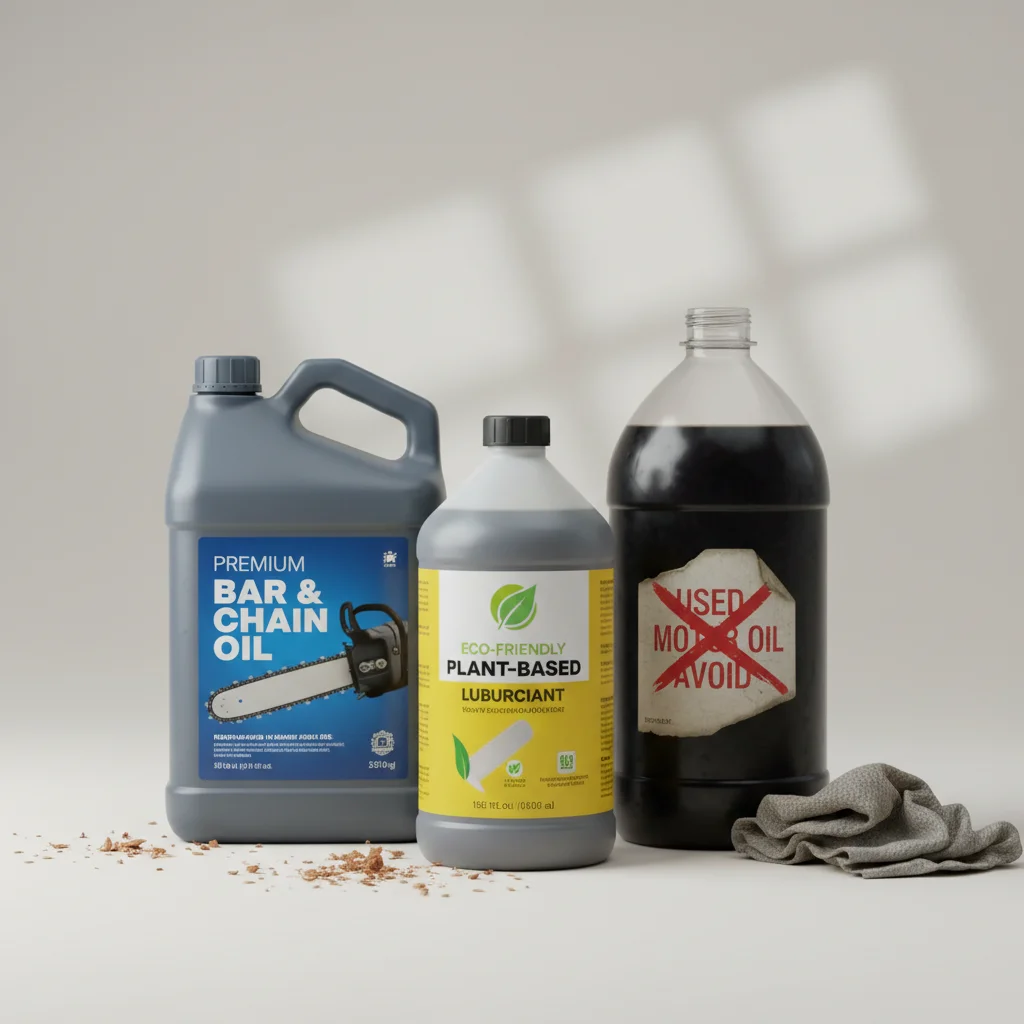
Choosing the correct chainsaw bar oil is crucial for the longevity and performance of your saw. The best options are dedicated bar and chain oil, vegetable-based bar oil, or in a pinch, certain types of motor oil. Using the wrong lubricant can lead to premature wear, overheating, and costly damage to your chainsaw’s bar and chain system.
Why Dedicated Bar and Chain Oil is Best
Dedicated bar and chain oil is specifically formulated for the unique demands of a chainsaw. It has a high tackiness to ensure it adheres to the fast-moving chain, preventing it from being flung off. This oil also contains anti-wear additives to reduce friction and heat, and rust inhibitors to protect metal components. Its viscosity is optimized to flow correctly through the oil pump in various temperatures, ensuring consistent lubrication. For expert chainsaw sales reviews on this site.
Using a product designed for this purpose guarantees your chainsaw operates efficiently and safely, extending the life of your bar and chain. It’s an investment that pays off by preventing expensive repairs and replacements.
Understanding Viscosity and Tackiness
The viscosity of bar oil refers to its thickness and how easily it flows. In colder temperatures, a thinner oil (lower viscosity) is preferred to ensure it can still flow through the pump. In warmer conditions, a thicker oil (higher viscosity) is better to maintain a protective film. Tackiness, on the other hand, is the oil’s ability to stick to the chain as it spins at high speeds. Without sufficient tackiness, the oil would simply be flung off, leaving the bar and chain unprotected.
Manufacturers often provide recommendations for the appropriate viscosity based on ambient temperature. Always consult your chainsaw’s manual for specific guidelines to ensure optimal performance and protection.
Acceptable Alternatives in a Pinch
|
Our Picks for the Best Chain Saw in 2026
As an Amazon Associate I earn from qualifying purchases.
|
||
| Num | Product | Action |
|---|---|---|
| 1 | Makita-UC4051A Chain Saw, Electric, 16 in. Bar - Sliver |

|
| 2 | Stihl GTA 26 Wood Cutter with AS 2 Battery and Charger AL 1, Battery Operated |
|
| 3 | Greenworks 24V 10" Cordless Compact Chainsaw (Great For Storm Clean-Up, Pruning, and Firewood), 2.0Ah Battery and Charger Included |
|
| 4 | Gas Chainsaw 62CC 20 Inch Professional Powerful 2-Stroke Engine for Tree Cutting, Logging and Firewood with Chain Brake |
|
| 5 | Oregon 3-Pack Chainsaw Chain 3/8" LP Pitch, .050" (1.3 mm) Gauge for 18" (45cm) Bar, 62 Drive Links – Low-kickback Replacement Saw Chain, Fits Husqvarna, Echo, Poulan, Homelite, Craftsman and more |
|
| 6 | Greenworks 80V 16" Brushless Cordless Chainsaw (Great For Tree Felling, Limbing, Pruning, and Firewood / 75+ Compatible Tools), Tool Only |
|
| 7 | STIHL Battery Operated Chainsaw with Sound Kids Toy |
|
| 8 | Greenworks 24V 12" Brushless Cordless Compact Chainsaw (Great For Storm Clean-Up, Pruning, and Firewood / 125+ Compatible Tools), Tool Only |
|
| 9 | Makita XCU03PT1 18V X2 (36V) LXT Lithium-Ion Brushless Cordless 14" Chain Saw Kit with, 4 Batteries (5.0Ah) |
|
| 10 | Husqvarna 450 Rancher 20 Inch Gas Chainsaw, 50.2-cc 3.2-HP, 2-Cycle X-Torq Engine, For Tree Pruning, Yard Cleanups and Firewood Cutting, 970613120 |
|
While dedicated bar and chain oil is always recommended, there are a few alternatives you can use temporarily if you’re in a bind. These should not be considered long-term solutions:
- Vegetable-Based Bar Oil: Environmentally friendly and biodegradable, these oils are a good alternative, especially for occasional use. They often have good tackiness and lubrication properties.
- New Motor Oil (SAE 30 or SAE 40): In an emergency, new motor oil can provide some lubrication. However, it lacks the tackiness of dedicated bar oil, meaning more will be consumed and flung off. Do not use used motor oil as it contains contaminants.
- Hydraulic Fluid: Some users report success with hydraulic fluid, but like motor oil, it lacks the specific tackiness and anti-wear additives of bar oil.
Remember, these are temporary fixes. Prolonged use of alternatives can still lead to increased wear and tear compared to using the correct product.
What to Absolutely Avoid Using
There are several substances that should never be used as chainsaw bar oil, as they can cause significant damage to your saw and potentially pose a safety risk:
- Used Motor Oil: Contains abrasive particles and acids that will rapidly wear down your bar and chain. It’s also environmentally harmful.
- Vegetable Oil (Cooking Oil): While some specialized vegetable-based bar oils exist, regular cooking oils can become gummy and sticky, clogging your oil pump and attracting debris.
- Waste Oil or Solvents: These offer no lubrication and can corrode internal components, leading to catastrophic failure.
- Gear Oil: Typically too thick and not designed for the high-speed lubrication required by a chainsaw chain.
Using any of these can void your warranty and lead to expensive repairs or even the need for a new chainsaw. Always prioritize the correct lubricant for the health of your equipment.
Maintaining Your Chainsaw’s Oiling System
Beyond choosing the right oil, regular maintenance of your chainsaw’s oiling system is vital. Ensure the oil reservoir is always filled before use. Check the oiler’s output regularly by holding the tip of the bar over a light-colored surface; a thin line of oil should be visible. Keep the oil port clean and free of sawdust and debris, as blockages can prevent oil from reaching the bar and chain. Periodically clean the guide bar groove and the oil holes to ensure a clear path for lubrication. Proper maintenance, combined with the correct oil, will keep your chainsaw running smoothly and efficiently for years to come.

I’ve always just grabbed whatever cheap oil was on sale, but after reading about the importance of dedicated bar and chain oil, I decided to invest in a good quality one. The difference is noticeable! My saw runs smoother, and I’m not seeing as much wear on the bar. Definitely worth the extra cost for the longevity it provides.
The explanation about tackiness and anti-wear additives really hit home. I used to think all oils were pretty much the same, but understanding how dedicated bar oil sticks to the chain and reduces friction makes so much sense. My Husqvarna has been performing flawlessly since I switched to a premium brand. No more premature wear for me!
I tried using motor oil in a pinch like it mentioned, specifically a 30-weight, and while it got the job done for a small task, I wouldn’t recommend it for regular use. My chain seemed to get hotter quicker, and I had to refill the reservoir more often. It’s okay for an emergency, but I’m sticking to proper bar oil from now on.
I appreciate the breakdown on vegetable-based bar oil. I’m trying to be more environmentally conscious, and knowing there’s a good option that still protects my saw is great. It works really well for my occasional use around the yard, and I feel better about not using petroleum products. My Stihl saw seems to like it too.