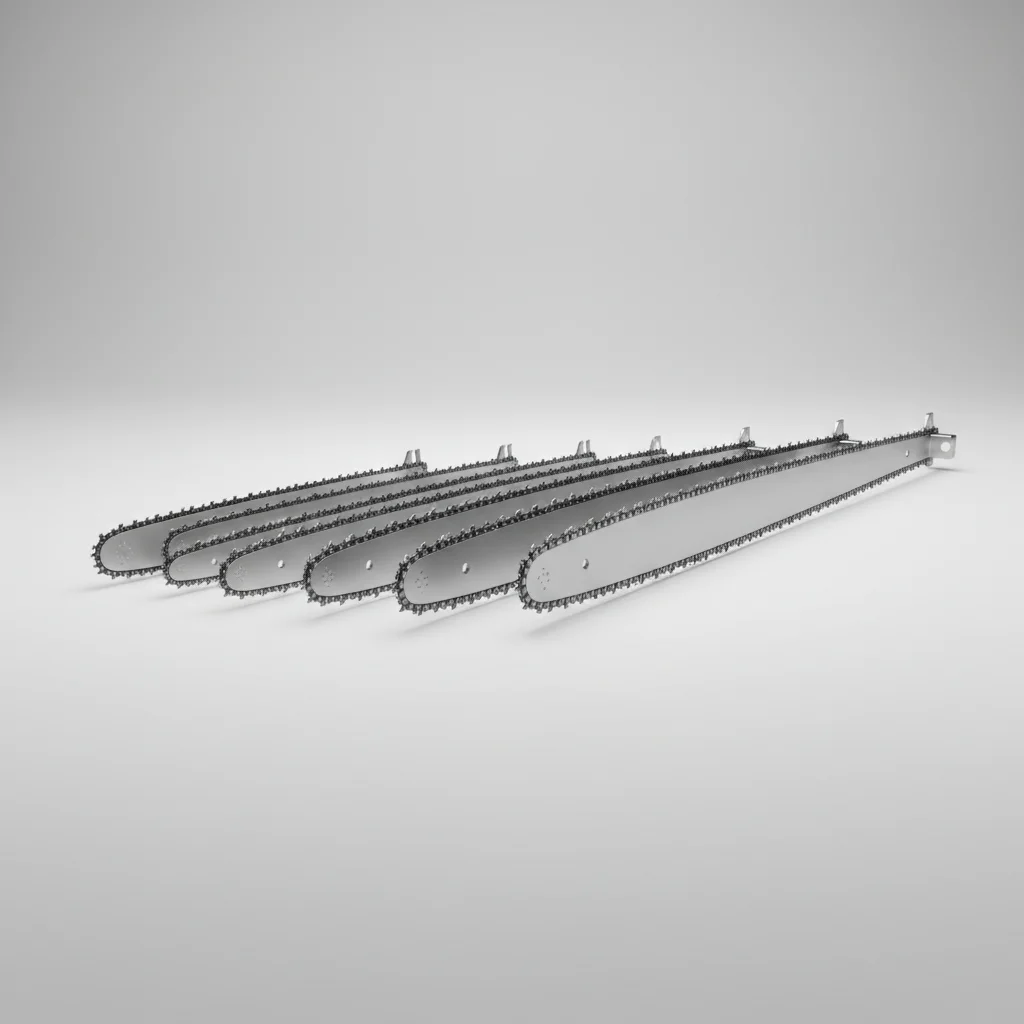
Choosing the correct chainsaw bar length is crucial for efficient and safe operation, directly impacting your saw’s performance and suitability for various tasks. Generally, the ideal bar length for most homeowners ranges from 14 to 20 inches, while professional users might opt for longer bars up to 36 inches or more, depending on the specific cutting demands. Understanding the relationship between bar length, engine power, and the type of wood you’ll be cutting will guide you to the perfect match for your needs.
The bar length dictates the maximum diameter of wood you can cut in a single pass. A good rule of thumb is to select a bar that is at least two inches longer than the diameter of the wood you typically cut. For instance, if you’re felling trees with a 16-inch diameter, a 18-inch bar would provide sufficient clearance and control. Using a bar that is too short for the task can lead to inefficient cutting, increased kickback risk, and excessive strain on your chainsaw’s engine.
Understanding Chainsaw Bar Length and Engine Power
The power of your chainsaw’s engine is directly linked to the maximum bar length it can effectively drive. A small electric or battery-powered chainsaw, typically with a motor equivalent to 1-2 horsepower, is best suited for bars between 10 and 14 inches. Attempting to run a longer bar on an underpowered saw will result in slow cutting speeds, overheating, and premature wear on the engine and chain. Conversely, a powerful gas chainsaw, often exceeding 3 horsepower, can comfortably handle bars from 18 to 24 inches, providing the torque needed for larger logs and tougher wood.
For heavy-duty tasks like felling large trees or milling lumber, professional-grade chainsaws with engines of 5 horsepower or more can accommodate bars up to 36 inches or even longer. These larger setups require significant power to maintain optimal chain speed and prevent bogging down during deep cuts. Always consult your chainsaw’s owner’s manual for the manufacturer’s recommended bar length range to ensure safe and efficient operation.
Choosing the Right Bar Length for Common Tasks
|
Our Picks for the Best Chain Saw in 2026
As an Amazon Associate I earn from qualifying purchases.
|
||
| Num | Product | Action |
|---|---|---|
| 1 | Greenworks 24V 10" Cordless Compact Chainsaw (Great For Storm Clean-Up, Pruning, and Firewood), 2.0Ah Battery and Charger Included |

|
| 2 | Gas Chainsaw 62CC 20 Inch Professional Powerful 2-Stroke Engine for Tree Cutting, Logging and Firewood with Chain Brake |
|
| 3 | Oregon 3-Pack Chainsaw Chain 3/8" LP Pitch, .050" (1.3 mm) Gauge for 18" (45cm) Bar, 62 Drive Links – Low-kickback Replacement Saw Chain, Fits Husqvarna, Echo, Poulan, Homelite, Craftsman and more |
|
| 4 | Makita-UC4051A Chain Saw, Electric, 16 in. Bar - Sliver |
|
| 5 | Husqvarna 450 Rancher 20 Inch Gas Chainsaw, 50.2-cc 3.2-HP, 2-Cycle X-Torq Engine, For Tree Pruning, Yard Cleanups and Firewood Cutting, 970613120 |
|
| 6 | Makita XCU03PT1 18V X2 (36V) LXT Lithium-Ion Brushless Cordless 14" Chain Saw Kit with, 4 Batteries (5.0Ah) |
|
| 7 | Greenworks 80V 16" Brushless Cordless Chainsaw (Great For Tree Felling, Limbing, Pruning, and Firewood / 75+ Compatible Tools), Tool Only |
|
| 8 | STIHL Battery Operated Chainsaw with Sound Kids Toy |
|
| 9 | Greenworks 24V 12" Brushless Cordless Compact Chainsaw (Great For Storm Clean-Up, Pruning, and Firewood / 125+ Compatible Tools), Tool Only |
|
| 10 | Stihl GTA 26 Wood Cutter with AS 2 Battery and Charger AL 1, Battery Operated |
|
The type of cutting you’ll be doing is the primary factor in determining the appropriate bar length. For light pruning of branches and small firewood, a 12- to 14-inch bar is usually sufficient. These shorter bars offer excellent maneuverability and are ideal for quick, precise cuts. For general yard work, limbing, and cutting medium-sized firewood, a 16- to 18-inch bar provides a versatile balance of power and control, making it a popular choice for many homeowners.
When tackling larger trees, felling, or bucking substantial logs, a 20- to 24-inch bar becomes necessary. These longer bars allow you to cut through wider trunks in a single pass, reducing the need for multiple cuts and improving efficiency. For specialized tasks like milling or felling exceptionally large timber, professional users might require bars exceeding 24 inches, sometimes up to 36 inches or more, often paired with specialized chains and techniques.
- 10-14 inches: Ideal for light pruning, small branches, and occasional firewood.
- 16-18 inches: Versatile for general yard work, limbing, and medium firewood.
- 20-24 inches: Suitable for felling larger trees, bucking substantial logs, and heavy firewood.
- 24+ inches: Reserved for professional felling, milling, and very large timber.
Safety Considerations with Bar Length
While a longer bar might seem more capable, it also increases the risk of kickback and can be more challenging to control, especially for inexperienced users. A longer bar has a larger tip, which is the primary zone for kickback. Always ensure you can comfortably and safely handle the chainsaw with your chosen bar length. An overly long bar can also throw off the balance of the saw, leading to operator fatigue and reduced precision.
Proper technique and understanding the limitations of your chainsaw are paramount, regardless of bar length. Always wear appropriate safety gear, including a helmet, eye protection, hearing protection, and chainsaw chaps. Never operate a chainsaw with a bar length that exceeds the manufacturer’s recommendations for your specific model, as this can lead to dangerous situations and damage to your equipment.
Maintaining Your Chainsaw Bar for Optimal Performance
Regular maintenance of your chainsaw bar is essential for extending its lifespan and ensuring consistent cutting performance. Always keep the bar groove clean, removing any sawdust, sap, or debris that can impede chain movement. Periodically flip the bar to ensure even wear on both sides, which helps prevent uneven rail wear and prolongs the bar’s life. Check the bar rails for burrs or damage, filing them smooth as needed to maintain proper chain guidance.
Ensure your chain tension is always correct; a loose chain can derail, while an overly tight chain can cause excessive wear on the bar and sprocket. Proper lubrication is also critical; always use high-quality bar and chain oil and ensure your saw’s oiler is functioning correctly. A well-maintained bar, paired with a sharp chain, will make your chainsaw more efficient and safer to operate, regardless of its length.

I appreciate the breakdown on homeowner vs. professional bar lengths. I’m just a homeowner, and I was considering a 22-inch bar for some bigger trees on my property, but after reading this, I realized a 20-inch would be much more manageable and safer for my occasional use. It’s a good reminder that bigger isn’t always better, especially when you factor in engine power.
This guide was super helpful in figuring out what I needed. I was always guessing with bar lengths, but the tip about choosing a bar at least two inches longer than the wood diameter made so much sense. I mostly cut firewood around 14-16 inches, so my new 18-inch bar is perfect. My old 16-inch felt a little short sometimes, especially on those thicker logs.
Good info overall, but I wish there was a bit more detail on how bar length affects kickback risk. I’ve had a few close calls with my 14-inch bar on some tougher hardwoods, and I’m wondering if a longer bar would actually be safer in some situations, or if it’s just about technique. Still, the point about matching bar to wood diameter is solid.
Finally, a clear explanation! I’ve always struggled with understanding the relationship between bar length and engine power. My old saw felt underpowered with its 18-inch bar, and now I know why. I’m upgrading to a saw with more horsepower and a 16-inch bar, which should be ideal for the smaller clearing tasks I do around my yard. Thanks for simplifying it.